AERIE – pink hybrid tea rose for romantic cottage gardens
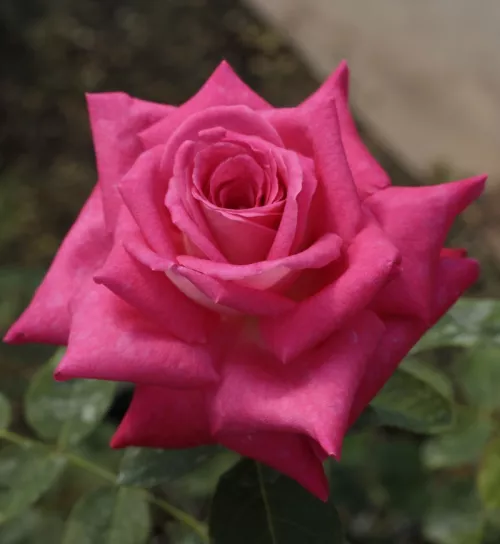
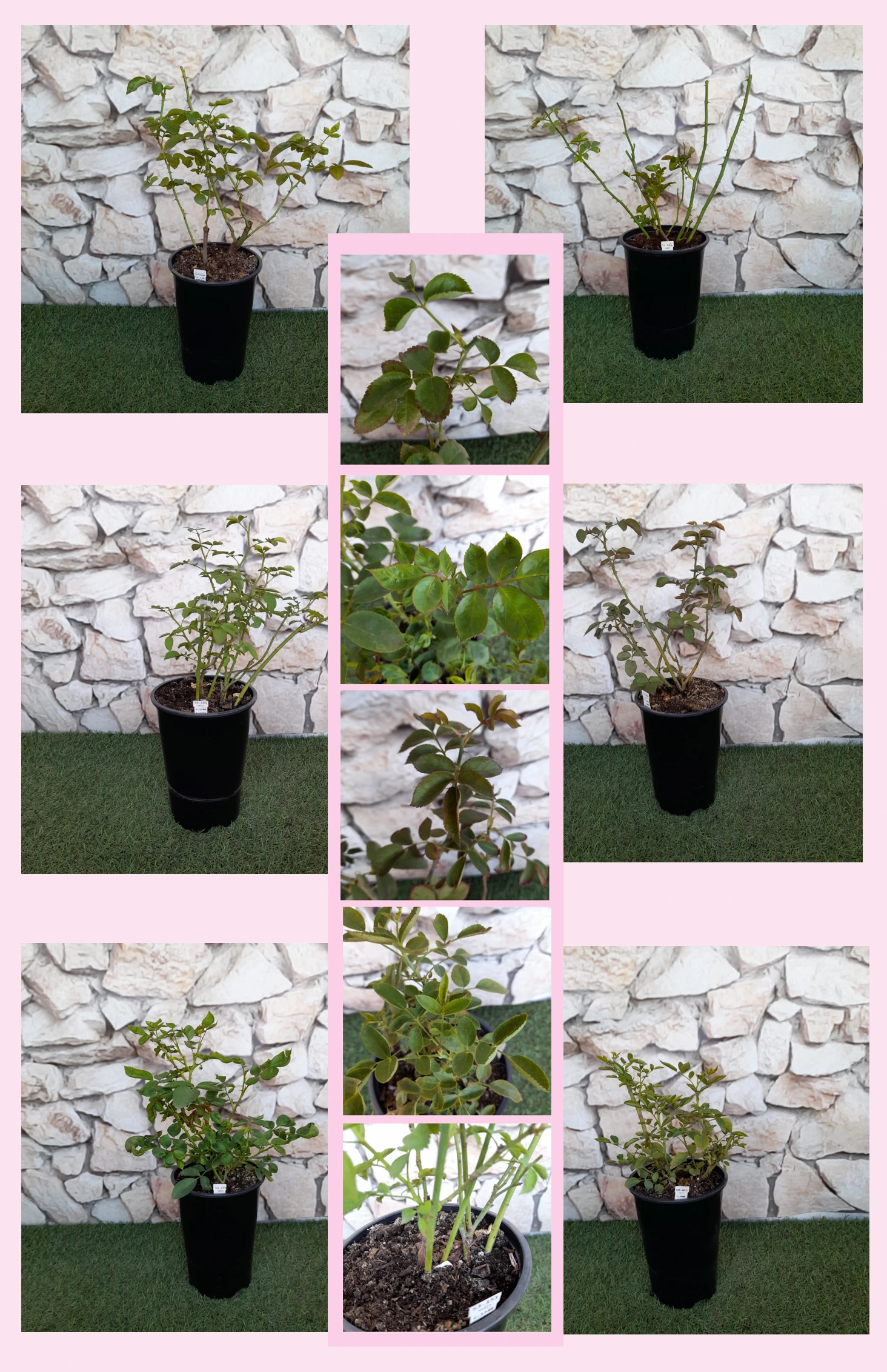
Imagine afternoon tea in a secluded corner, the air filled with the fragrance of large, high-centred blooms: AERIE brings classic hybrid tea elegance to a family garden with surprisingly simple maintenance. Bred by Rosen Tantau, this upright, well-foliaged rose offers generous flowering for cutting and display, while its own-root form supports long-term stability, graceful regeneration and a reassuringly long lifespan. In well-prepared soil it anchors securely and copes calmly with blustery, coastal-tinged weather, provided excess water can drain away. Over the first few seasons you will see a gentle development from establishing roots to stronger shoots and, by the third year, full ornamental impact and volume. Its densely clothed, dark green leaves frame the silky mid-pink flowers with a silvery sheen, giving a perfectly balanced structure that fits effortlessly into cottage borders, kitchen-garden paths or a single statement container near the patio.
Usage options
| Target area |
Reasoning |
| Main rose bed in a family garden |
AERIE’s upright habit, dense foliage and repeat flowering create a reliable backbone in a mixed rose bed, giving height without overwhelming the space and providing a steady supply of blooms for the house; an easy choice for the time-pressed homeowner. |
| Romantic cottage-style border |
The large, high‑centred, fully double flowers in silky mid‑pink with a silvery sheen give a classic hybrid tea look that still feels soft and romantic, ideal with perennials and herbs for that storybook cottage effect treasured by the cottage-gardener. |
| Cutting corner by the kitchen garden |
With long, straight stems and exhibition-type blooms, AERIE is particularly rewarding as a cut flower, offering armfuls of scented stems for vases and table settings, making home-grown bouquets realistic even for the occasional flower-arranger. |
| Feature rose near seating or patio |
The very strong, garden-filling scent is best appreciated close to where you sit; placing AERIE by a bench, terrace or front step creates a daily ritual of fragrance without extra work, a pleasure well suited to the busy yet discerning urbanite. |
| Large container on terrace or balcony |
Its upright structure and good heat tolerance make AERIE a sound candidate for a generous container of at least 40–50 litres, where regular watering and feeding are straightforward tasks for the convenience-seeking container-gardener. |
| Small to medium front garden display |
The neat outline and medium maintenance needs help keep front gardens orderly, while own-root vigour supports long-term shape and recovery after harder pruning, reassuring for the long-horizon planner. |
| Informal hedge or row along a path |
Planted at hedge spacing, the dark green, slightly glossy foliage knits into a semi-formal line, while repeat flushes of pink bloom soften the look; secure anchoring and tolerance of lively, windy spells suit the weather-aware coastal-dweller. |
| Mixed family garden with limited gardening time |
Moderate care needs and dependable remontant flowering mean that, beyond basic feeding, watering and simple deadheading, AERIE delivers colour and scent with few tasks, appealing to the relaxed, enjoyment-focused beginner. |
Styling ideas
- TEA-TIME NOOK – Plant AERIE beside a small bistro set, underplanted with dwarf lavender and low campanulas to echo the pink blooms and intensify the scent – for those curating an intimate afternoon-tea corner.
- COTTAGE RIBBON – Create a loose ribbon of AERIE along a path, interspersed with windflowers and herbs to blur edges and add movement – for lovers of soft, romantic cottage borders.
- KITCHEN-CUTTING MIX – Combine AERIE with tall annuals and vegetables near the kitchen garden to provide both cut flowers and a gentle screen – for practical gardeners who enjoy useful beauty.
- FRAGRANT ENTRANCE – Position one or two plants by the front gate or doorway as scented sentinels, where repeat flowering and strong perfume greet visitors – for homeowners wanting a welcoming first impression.
- PATIO STATEMENT – Grow AERIE in a single, large terracotta pot with trailing thyme or low sedums at the base to soften the rim – for balcony and terrace owners seeking one dependable focal point.
Technical cultivar profile
| Characteristic |
Data |
| Name and registration |
Hybrid tea rose, registered as TANallepa, marketed as AERIE hybrid tea rose TANallepa; exhibition-type cut-flower form with verified cultivar authenticity for reliable identification. |
| Origin and breeding |
Bred by Hans Jürgen Evers for Rosen Tantau, Germany, before 1991; introduced in 1994, representing classic German hybrid tea breeding focused on flower form and strong garden performance. |
| Awards and recognition |
Highly regarded exhibition rose with Le Roeulx Gold Medal and Fragrance Award 1998, Baden bei Wien First Prize 1999, and The Hague Silver Medal 2007, reflecting consistent show quality. |
| Growth and structural characteristics |
Upright bush 120–160 cm high and 100–140 cm wide, with dense, dark green, slightly glossy foliage and moderate prickles; forms a well-filled shrub suitable for beds, hedges and feature planting. |
| Flower morphology |
Large, fully double, high-centred blooms with 26–39 petals on mainly solitary stems; strong remontant habit with an abundant second flush, providing classic hybrid tea form for garden and cutting. |
| Colour data and phenology |
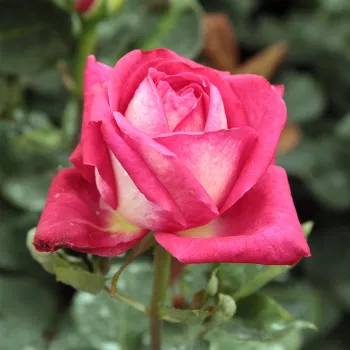
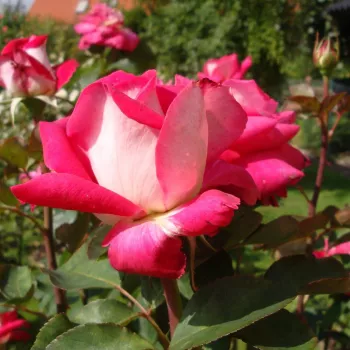
Mid-pink petals with silvery reverse (RHS 62B outer, 155D inner), opening from vibrant buds to silky, pearly-toned blooms; colour holds in sun, showing more fading only in cool, rainy conditions. |
| Fragrance and aroma |
Very strong, garden-filling perfume of classic rose character; double flowers mainly serve ornamental display rather than pollinator support, prioritising scent and visual impact for human enjoyment. |
| Hip characteristics |
Hip set is limited due to full, double flowers and regular deadheading; where present, hips are small, orange-red, ovoid, around 10–14 mm, offering modest late-season decorative interest. |
| Resistance and winter hardiness |
Hardy to about −21 to −18 °C (RHS H7, Swedish zone 3, USDA 6b); moderate disease resistance, with average tolerance of black spot, powdery mildew and rust under typical garden conditions. |
| Horticultural recommendations |
Best in sunny, well-drained soil with regular watering in drought; suitable for beds, hedges, specimen and large containers, needing occasional pest and disease control plus routine deadheading. |
AERIE hybrid tea rose TANallepa offers large, romantic pink blooms, a very strong fragrance and reliable repeat flowering on a long-lived own-root plant; a graceful, enduring choice for a cottage-style family garden.