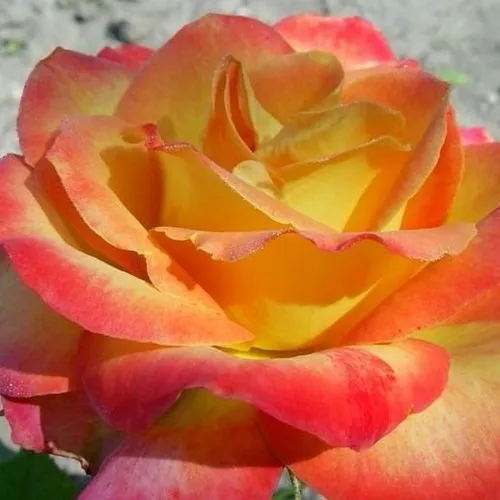
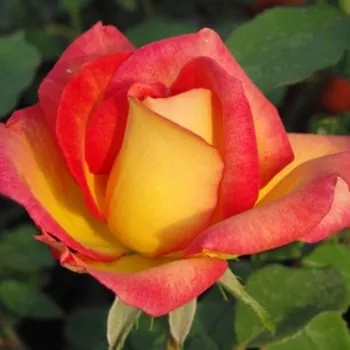
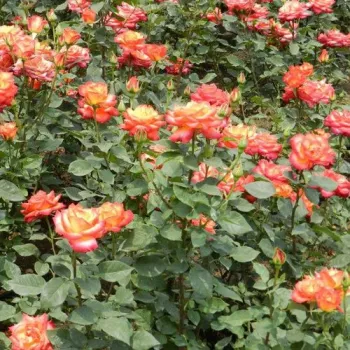
ALINKA – yellow-red hybrid tea rose - Dickson
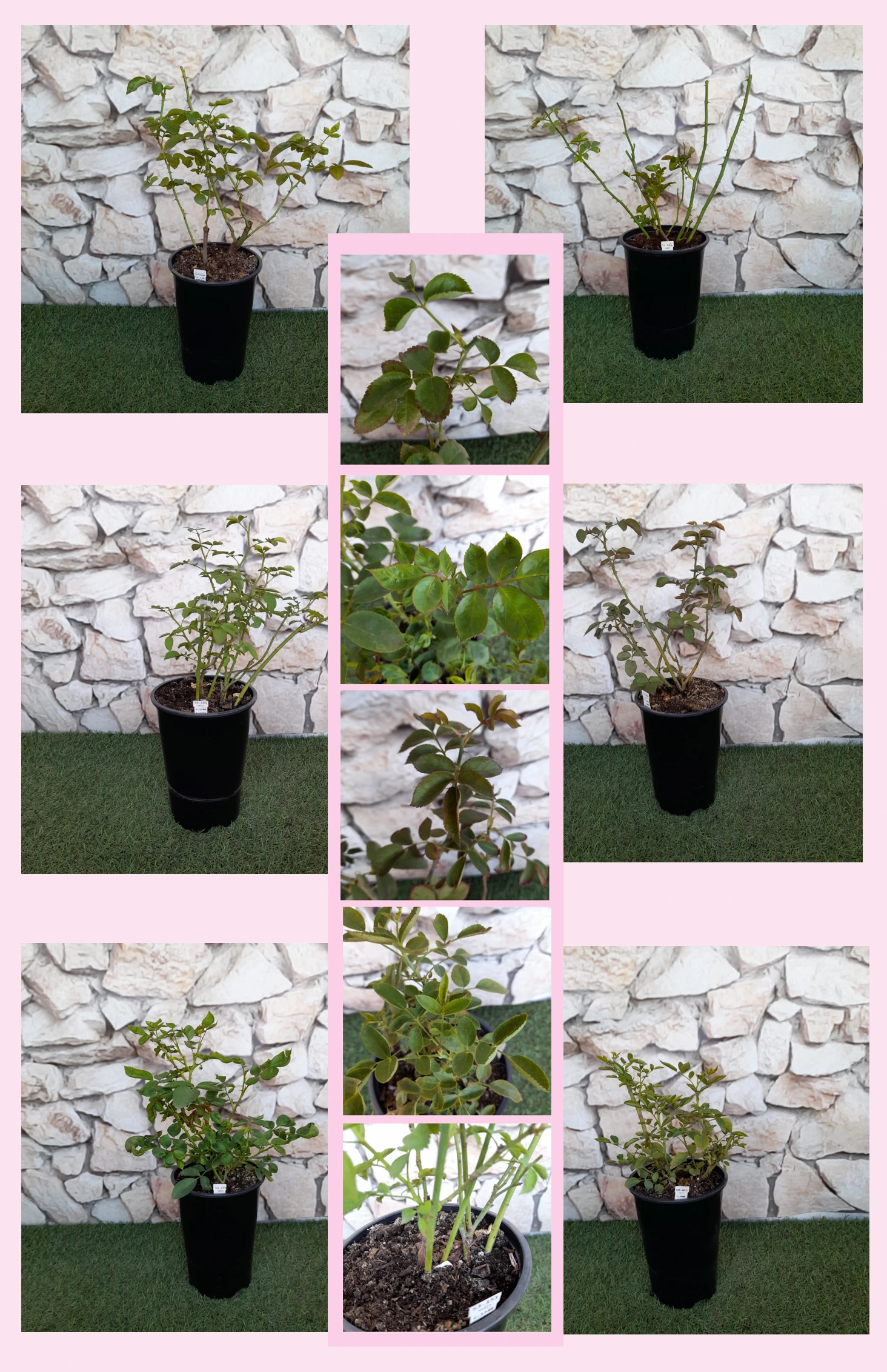
A link between romantic cottage borders and practical family gardens, ALINKA brings glowing yellow-and-red blooms and medium-height, upright structure that fits easily into mixed beds or along a sunny path. Its remontant flowering keeps new clusters coming for months, while the mild, floral fragrance stays pleasantly unobtrusive around the patio or kitchen terrace. As an own-root plant it offers reassuring longevity, quietly regenerating from the base so the bush remains attractive year after year with fewer replacements. In typical British conditions it copes reliably with cool, damp spells and blustery weather, shrugging off coastal winds and heavy rain that would spoil lesser varieties. Given a freely draining spot it settles in fast, then moves from first-season roots to stronger second-year shoots and by the third summer shows its full cottage-garden character, becoming a dependable centrepiece for relaxed afternoon tea in your own storybook corner.
Usage options
| Target area |
Reasoning |
| Classic mixed border in a family garden |
Compact yet upright growth (around 85–115 cm) lets ALINKA sit comfortably mid-border without overshadowing perennials, while its dense, glossy foliage provides a dark backdrop that makes the yellow-red blooms shine in cottage-style planting schemes – ideal for homeowners |
| Romantic rose-and-perennial cottage bed |
Reliable remontant flowering with abundant second flush keeps warm-toned blooms appearing through summer, pairing beautifully with pastel lupins and airy grasses for that “girly” English-country look with little more than deadheading required – perfect for romantic-gardeners |
| Cutting patch near the kitchen garden |
Large, double, cluster-borne flowers on straight, upright stems make excellent, long-stemmed cuts for the vase, giving you armfuls of classic hybrid tea-style roses from a modest area beside the vegetable plot – appealing to cut-flower-lovers |
| Sunny front garden feature by the path |
Its tidy footprint and medium maintenance need suit small urban front gardens; planted alone or in a short row, the glowing bicolour flowers create instant kerb appeal without demanding expert pruning or complex spraying regimes – reassuring for beginners |
| Free-standing specimen by a seating area |
The mild, delicately floral scent and repeated flowering lend a cosy, afternoon-tea atmosphere without overwhelming fragrance, while own-root resilience means the bush can quietly regrow if a hard winter or accidental pruning knock it back – comforting for busy-families |
| Small hedge or informal row along a path |
Planted 50–55 cm apart, ALINKA forms a low, upright line of glossy green foliage topped with cheerful yellow-red flowers, giving loose structure to cottage paths or driveways and remaining visually stable over many seasons – useful for structure-seekers |
| Containers and large tubs on terraces |
Its moderate size and upright habit make it suitable for large pots of at least 40–50 litres, where own-root vigour helps it cope with occasional neglect and re-sprout from the base if top growth suffers from frost or drying – attractive for patio-gardeners |
| Exposed or weather-prone garden positions |
Well-anchored, upright growth and H7 hardiness let ALINKA cope with cool, wet, windy spells, so beds that feel open to the elements can still host a dependable, colourful rose without constant cosseting – reassuring for coastal-owners |
Styling ideas
- Kitchen-border charm – Thread ALINKA between herbs and a small cutting row so you can snip both vegetables and blooms on the same visit – for home cooks who love a productive, pretty plot.
- Pastel-cottage mix – Combine with soft pink lupins and white verbena for a feminine, storybook bed where ALINKA’s warm bicolour flowers provide gentle contrast – for romantics wanting an English countryside feel.
- Golden-path edging – Plant a loose row along a garden path so the glowing flowers and glossy foliage guide you towards a seating area – for families seeking structure without formal hedging.
- Patio-centrepiece pot – Grow a single plant in a 50-litre terracotta container, underplant with low herbs so its upright shoots and repeat flowering become the terrace focal point – for balcony and terrace gardeners.
- Evening-tea nook – Place two or three plants near a bench or small arbour, letting ALINKA frame your seating with soft scent and colour through the season – for those creating a cosy afternoon tea corner.
Technical cultivar profile
| Parameter |
Data |
| Name and registration |
Hybrid tea and floribunda type; registered as DICor, marketed as ALINKA Hybrid tea rose DICor; ARS exhibition name ‘Red Gold’, hybrid tea rose commercial grouping. |
| Origin and breeding |
Bred by Alexander Patrick Dickson in Northern Ireland before 1967 from complex parentage including ‘Karl Herbst’, ‘Masquerade’, ‘Faust’ and ‘Piccadilly’, introduced widely in Europe and the USA in 1967. |
| Awards and recognition |
Honoured with the Portland Gold Medal in 1969 and selected as an All-America Rose Selections winner in 1971, later taking first place as a floribunda at the Humboldt Rose Society Show in 2001. |
| Growth and structural characteristics |
Upright bushy plant, about 85–115 cm tall and 65–95 cm wide, with dense, dark green, glossy foliage and moderate prickliness; forms a well-filled, medium-sized shrub suitable for borders and specimen use. |
| Flower morphology |
Large, double, cup-shaped blooms with 26–39 petals, mostly borne in clusters; remontant habit ensures the second flush is also plentiful, providing regular colour in the border and for cutting. |
| Colour data and phenology |
Bicolour yellow-red flowers; golden-yellow base with vivid orange-red margins, softening through butter-yellow and salmon-pink as they age; ARS code yb, RHS 14B outer and 44A inner petal colouring. |
| Fragrance and aroma |
Mild, restrained scent with a soft, delicately floral character; pleasant near seating areas without becoming overpowering, though the variety is grown primarily for its visual impact rather than aromatic strength. |
| Hip characteristics |
Rose hips form sparsely due to the double blooms; where present, expect small 10–14 mm ellipsoidal fruits coloured orange-red, of limited ornamental significance in most garden situations. |
| Resistance and winter hardiness |
RHS H7, USDA zone 5b and Swedish zone 4; tolerates significant cold and heat but prefers watering in long dry spells; disease resistance medium overall with good black spot resistance and moderate mildew and rust tolerance. |
| Horticultural recommendations |
Best in sunny, well-drained positions; space 50–55 cm in rows or 90 cm as a specimen; medium maintenance, occasionally needing plant protection and spring frost awareness, with regular deadheading for repeat display. |
ALINKA Hybrid tea rose DICor offers long-season bicolour blooms, steady own-root resilience and a compact, upright habit that suits real family gardens, making it a thoughtful choice if you prefer enduring, easy-care roses.