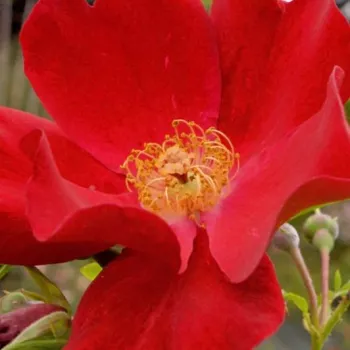
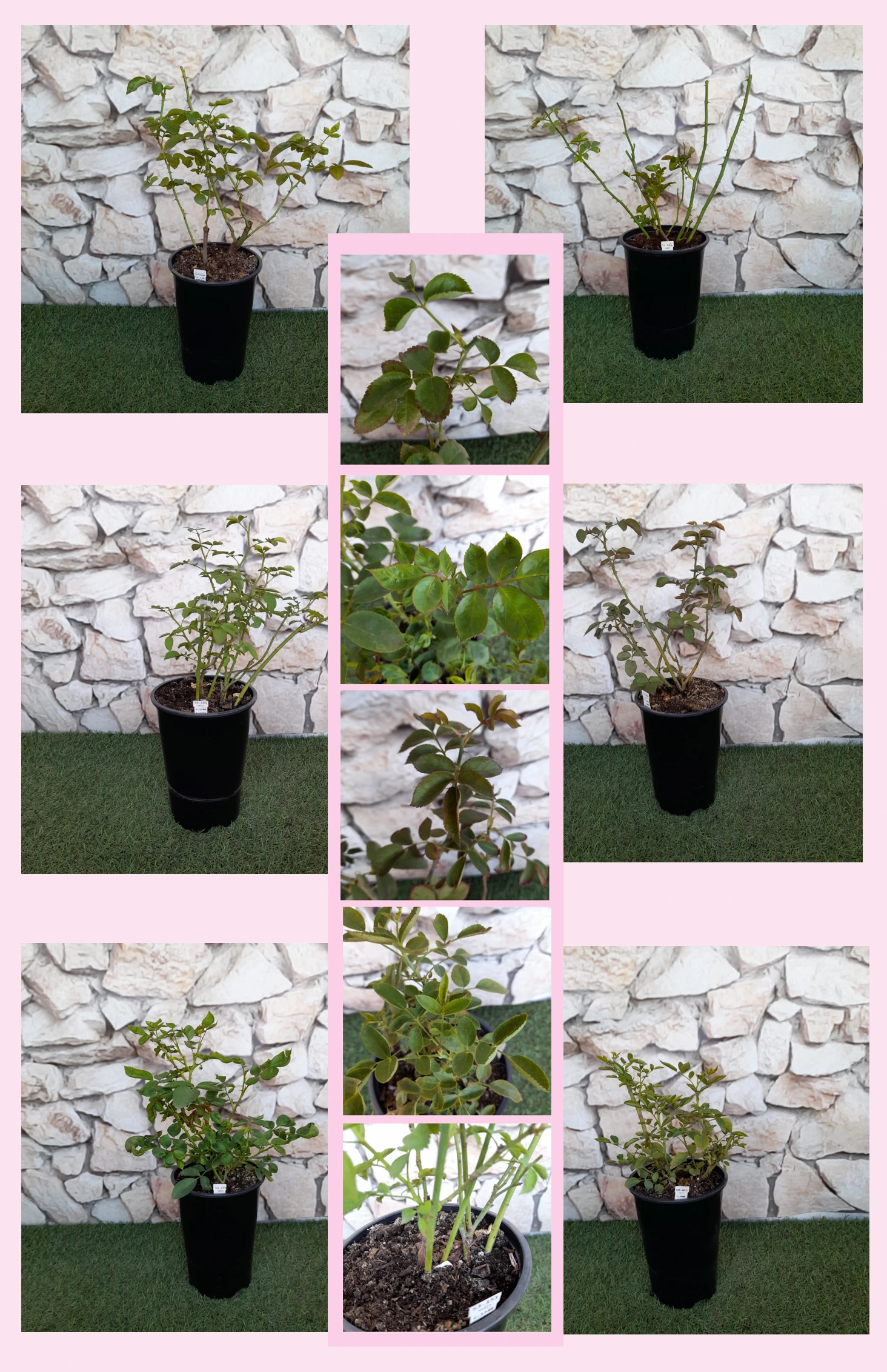
ALSACE – red landscape shrub rose – PEKtarampe
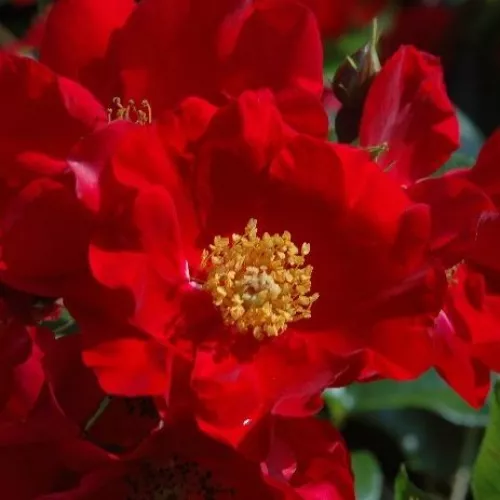
Ruby petals, cottage charm and a softly bushy silhouette make Alsace a natural choice when you want relaxed, storybook planting that still looks quietly ordered. This landscape shrub rose is bred to knit into borders and hedging, giving an even, low-maintenance structure that suits family gardens and busy routines. Its single blooms open wide for bees, with petals that fall cleanly away so you avoid constant deadheading and spent flower tidy‑ups. Own‑root planting supports a long, dependable life in your soil, helping the plant recover strongly after hard pruning or weather setbacks. Ideal for simple layouts that cope with British coastal breezes and unsettled summer weather, it settles steadily from roots to full display over three seasons. Use it as a linking backdrop, a colour ribbon along paths or a relaxed, rosy hedge around lawns and kitchen gardens.
Usage options
| Target area | Reasoning |
|---|
| Low cottage‑style flower bed by a terrace or patio |
Alsace forms a compact, bushy outline that sits neatly in small borders without overwhelming neighbouring plants. Its harmonious habit and modest height create a calm structure that frames seating areas and children’s play spaces, ideal for relaxed family gardens and beginners. |
| Informal flowering hedge along a path or drive |
Regular repeat flowering and good colour retention provide a long season of ruby‑red blooms, so a simple line of shrubs can read as a continuous ribbon of colour. With own‑root resilience you can rejuvenate older plants hard if needed, which suits long‑term boundary plantings for homeowners. |
| Mixed cottage border with perennials and herbs |
The single, open flowers sit lightly among salvias, scabious and meadow planting, giving a romantic yet not fussy effect. Reliable self‑cleaning reduces time spent snipping off spent blooms, keeping borders presentable with fewer weekend tasks for busy. |
| Pollinator‑friendly strip near a kitchen garden |
The simple flower form exposes stamens clearly, drawing in bees and other beneficial insects around fruit and vegetables. This makes Alsace a decorative, wildlife‑minded choice where you want both colour and life in the plot, especially valued by nature‑conscious families. |
| Front‑of‑house bed in a small urban garden |
Its dense, slightly glossy foliage and steady flowering give a tidy yet welcoming look that suits front gardens viewed from the street. The balanced, bushy habit fits narrow beds and can be refreshed by straightforward pruning, an advantage for time‑pressed city‑based owners. |
| Raised bed on heavy clay or difficult soil |
Alsace is well suited to being planted into improved or raised ground, where its own‑root system can establish gradually and support a long garden life. This is particularly helpful in wetter, exposed plots where a stable, anchored shrub rose reassures cautious gardeners. |
| Large container on a sunny terrace (40–50 litres or more) |
In a generously sized pot, its rounded growth and regular rebloom give season‑long impact close to seating without complex training. Own‑root growth supports regeneration if stems are cut back after winter, so the same plant can serve for many summers for patio‑loving couples. |
| Mass planting in public‑view areas of family gardens |
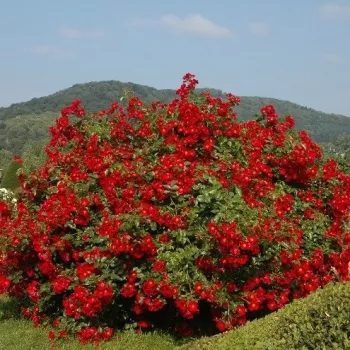
When spaced correctly, groups of Alsace create a coherent carpet of colour and foliage that knits paths, lawns and play corners together. The development from stronger roots in year one to fuller shoots and then mature display rewards patient, design‑minded planners. |
Styling ideas
- COTTAGE RIBBON – Plant a curving line of Alsace along a path, underplant with low catmint and thyme to echo its ruby tones and soften edges – for lovers of informal English‑style borders.
- KITCHEN CURTAIN – Use Alsace as a loose hedge around raised vegetable beds, weaving in chives and calendula for a productive yet romantic frame – for home cooks who enjoy a pretty potager.
- TEA NOOK – Flank a small seating area with pairs of Alsace in large 50‑litre containers, adding soft grasses and salvias for movement – for terrace users seeking a simple, cosy retreat.
- FRONTAGE FRAME – Combine Alsace with dark green shrubs and pale foxgloves either side of a front door to give structure and welcoming colour – for homeowners wanting classic kerb appeal.
- POLLINATOR PATH – Alternate groups of Alsace with scabious and meadow sage beside a garden path to create a nectar‑rich, low‑maintenance wildlife route – for families encouraging children to notice bees.
Technical cultivar profile
| Parameter | Data |
|---|
| Name and registration |
Modern shrub landscape rose, registered as PEKtarampe, traded as Alsace (NIRPAYSAGE collection); shrub‑type bed rose suited to domestic planting and informal hedging roles. |
| Origin and breeding |
Bred by Paul Pekmez for NIRP International in France; registered and first distributed in 1992, with parentage not recorded but selected for landscape use and colour harmony. |
| Growth and structural characteristics |
Bushy, even habit to around 85–115 cm high and wide; dense, slightly glossy dark green foliage, moderately thorny stems and a naturally rounded outline that works well in groups. |
| Flower morphology |
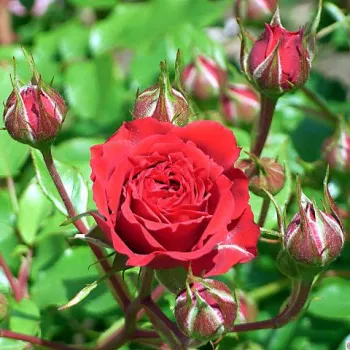
Single, cup‑shaped flowers with 5–12 petals, small size but carried in clusters; remontant with abundant second flush, and petals that generally fall cleanly after blooming. |
| Colour data and phenology |
Closed buds dark scarlet red; open blooms rich ruby red, mellowing through mid‑deep to warm raspberry red; colour holds well in garden conditions before gently lightening as petals age. |
| Fragrance and aroma |
Fragrance is very weak, only a faint floral note detectable at close range; planted primarily for visual effect, colour rhythm and contribution to mixed plantings rather than scent. |
| Hip characteristics |
Produces few hips, generally small spherical fruits about 8–12 mm across; when present they show a red colour but overall hip display is modest and often overlooked. |
| Resistance and winter hardiness |
Hardy to approximately −21 to −18 °C (RHS H7, USDA 6b, Swedish zone 3); disease susceptibility is high so routine monitoring and timely plant protection are recommended. |
| Horticultural recommendations |
Prefers sunny positions with good air circulation; ideal for beds, edging, hedges and mass plantings; allow 55–100 cm spacing depending on use, and water during extended dry periods. |
ALSACE – red landscape shrub rose – PEKtarampe offers rounded, harmonious structure, reliable repeat flowering and regenerative own‑root durability; consider it when you want long‑term cottage character with manageable care.