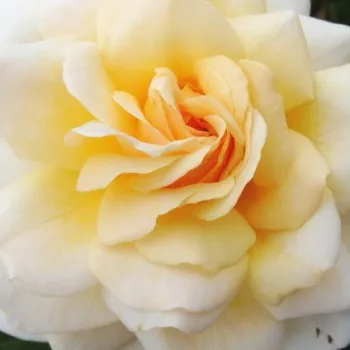
ANGIE – cream‑yellow bedding floribunda rose – Delbard
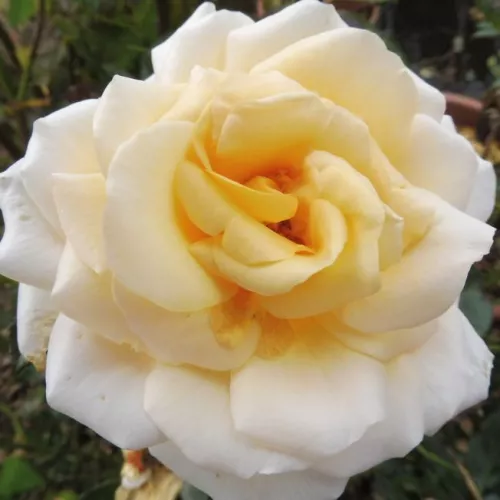
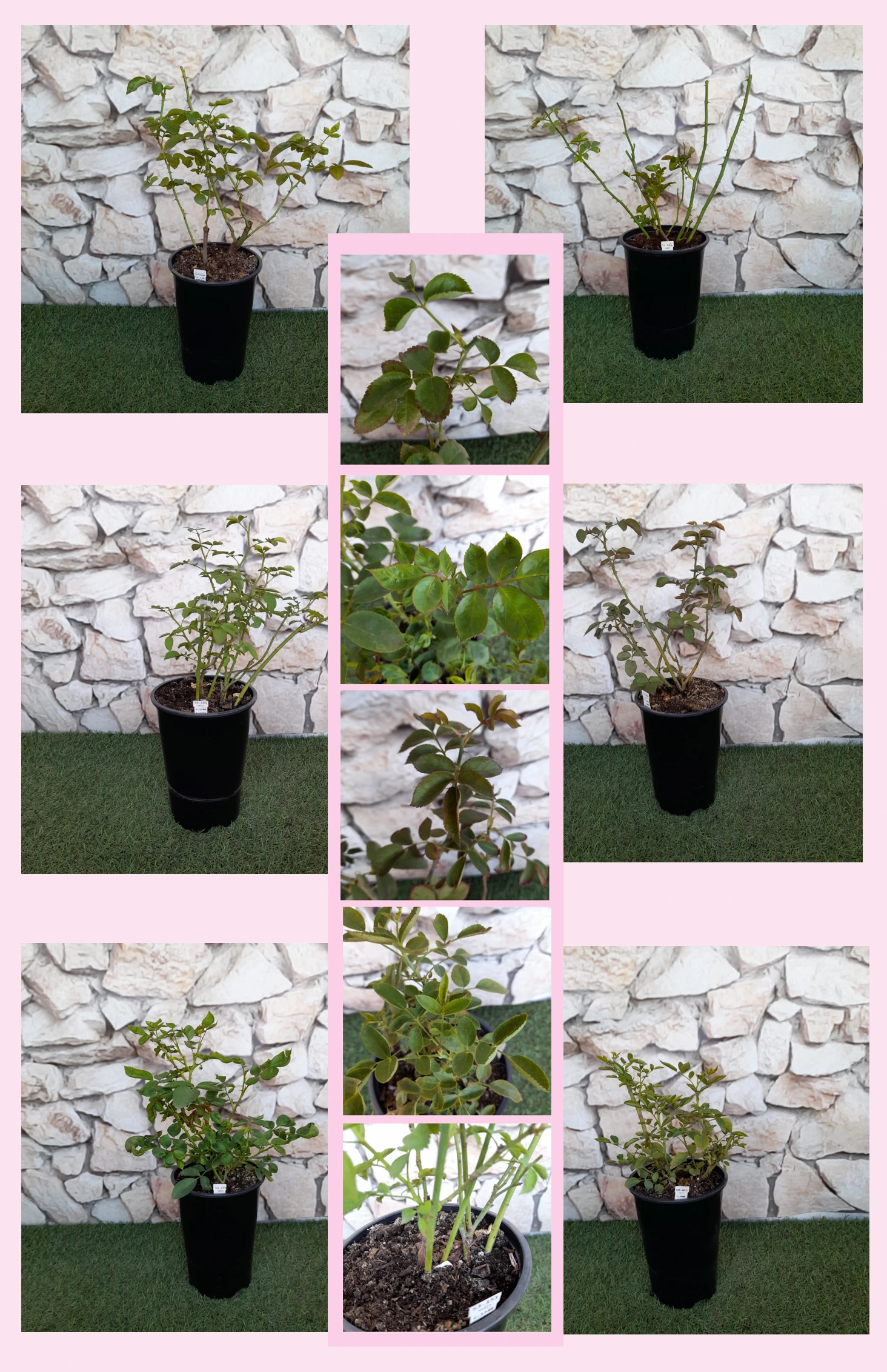
ANGIE brings a softly glowing, romantic focus to a family garden, turning a simple seating area into a fragrant corner for afternoon daydreams. Her compact, upright habit makes placement easy in modest borders, while clustered, cup‑shaped blooms deliver generous flowering from early summer onwards. The strong, fresh, citrusy fragrance feels made for lingering with tea under an arbour, even where gardens face frequent breezes and coastlines with changeable weather. Dark, glossy foliage and dependable disease resistance keep the plant looking neat with very little input; most spent heads drop cleanly for natural tidiness. As a container subject, it responds well to a large 40–50 litre pot, where its steady, self‑supporting structure anchors small patios. Being an own‑root rose, ANGIE is bred for long service: once planted, roots strengthen, then top growth matures, and by the third season the full ornamental character really comes into its own.
Usage options
| Target area |
Reasoning |
| Small family front garden border |
The compact, upright growth (around 85–115 cm) fits neatly beneath windows and along paths, giving tidy structure without blocking light. Massed cream‑yellow clusters offer welcoming colour with minimal shaping, ideal for a smart but easy front garden for the busy homeowner. |
| Cottage‑style mixed bed near seating |
Strong, fresh citrus scent and repeat flowering make ANGIE perfect beside a bench or patio, where you can appreciate both colour and perfume. The double, cup‑shaped blooms create a storybook feel around an arbour or tea corner, suiting the romantic cottage‑lover. |
| Low‑maintenance family rose border |
High resistance to black spot, mildew and rust, combined with good self‑cleaning, means less spraying and dead‑heading. A simple annual prune keeps it productive, so the border stays attractive even when routine garden time is short for the time‑pressed gardener. |
| Large container on terrace or balcony (40–50 L) |
A naturally compact root system and upright habit adapt well to big pots, giving a substantial rose presence without overwhelming smaller spaces. A 40–50 litre container with good compost and drainage supports long‑term performance for the urban balcony‑owner. |
| Partial‑shade side garden or courtyard |
ANGIE tolerates partial shade, so it continues to flower reliably where sun only reaches for part of the day. This makes it useful along side paths or near fences, brightening awkward corners that defeat fussier roses for the practical space‑maximiser. |
| Long‑term structural planting in family garden |
As an own‑root rose, ANGIE regenerates well from the base, avoiding graft‑failure issues and keeping a stable shape over many years. Once established, it becomes a durable, reliable feature rather than a plant needing regular replacement for the value‑conscious buyer. |
| Clay or chalky soil beds with careful preparation |
Good anchoring roots and a compact framework help the plant cope in typical UK gardens, provided you improve drainage or use a raised bed where soil is heavy. This supports steady growth even when winds and wet spells are frequent for the real‑world gardener. |
| Romantic repeat‑flowering accent in kitchen garden |
Abundant clusters and a strong second flush keep flowers coming through the season, softening vegetable beds and fruit cages with colour. The scented stems can be cut for the house without stripping the plant, adding charm and practicality for the kitchen‑garden enthusiast. |
Styling ideas
- Pastel Welcome – Line a front path with ANGIE at 45 cm spacing, underplanting with pale pink geraniums to echo the soft cream‑yellow blooms – ideal for the traditional family homeowner.
- Tea Corner – Flank a small seating nook with ANGIE and lavender, letting fragrance mingle around a bistro set for afternoon tea – perfect for the romantic couple.
- Kitchen Charm – Thread ANGIE between herbs and salad beds, pairing with yarrow hybrids for gentle contrast and cut‑flower options – suited to the rustic kitchen‑gardener.
- Glossy Structure – Use ANGIE as repeating vertical accents in a mixed border with dwarf smoke bush and calamint, its dark foliage giving year‑round definition – for the design‑minded amateur.
- Patio Focus – Plant a single ANGIE in a 50 L clay pot by the back door, adding trailing thyme at the rim to soften edges – attractive for the small‑space balcony‑owner.
Technical cultivar profile
| Parameter |
Data |
| Name and registration |
Floribunda bed rose; registered as DELchacré, marketed as ANGIE – cream‑yellow bedding floribunda rose, also known in exhibitions as Téléthon®, part of the Grands Parfums collection. |
| Origin and breeding |
Bred in France by Georges Delbard (Delbard/Georges Delbard SA) around 2003, with parentage not publicly disclosed; introduced to the market in 2005 as a fragrant, decorative bedding rose. |
| Growth and structural characteristics |
Compact, upright shrub reaching about 85–115 cm high and 40–60 cm wide, with moderately dense, glossy dark green foliage and moderate prickliness, forming a tidy, self‑supporting garden plant. |
| Flower morphology |
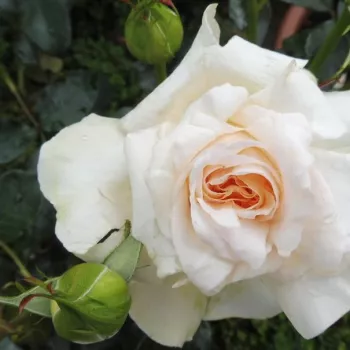
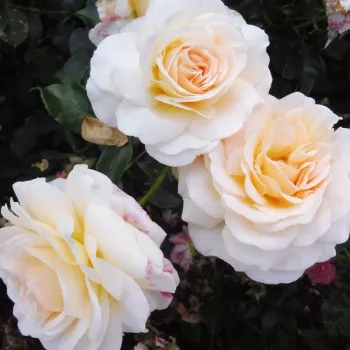
Large, double, cup‑shaped blooms with 26–39 petals, typically borne in clusters; remontant flowering habit with a particularly abundant second flush, petals usually shed cleanly as blooms finish. |
| Colour data and phenology |
Cream‑yellow colour (RHS 158C, 23A): buds open pastel cream with a brighter peach‑yellow centre, ageing to paler off‑white tones as flowers fully open and gently fade in sun exposure over time. |
| Fragrance and aroma |
Strongly scented variety within the Grands Parfums line, offering a fresh, citrusy fragrance profile; ideal for positioning near seating or paths where passing garden users can enjoy the aroma frequently. |
| Hip characteristics |
Only light hip set is expected; occasional small, ovoid orange‑red hips about 12–18 mm in diameter may form after flowering, adding discreet late‑season interest without dominating the plant. |
| Resistance and winter hardiness |
Rated H7 and hardy to approximately −21 to −18 °C (USDA 6b, Swedish Zone 3); shows high resistance to powdery mildew, black spot and rust, needing only moderate watering during prolonged dry periods. |
| Horticultural recommendations |
Suited to borders, low hedging, specimen and cut‑flower use; best at 35–75 cm spacing, around 5 plants/m², with low maintenance demands and tolerance of partial shade in typical UK garden settings. |
ANGIE Grands Parfums DELchacré offers compact, fragrant, repeat flowering and durable own‑root resilience for an easy, romantic cottage‑style border; consider it when you want long‑lived character with modest effort.