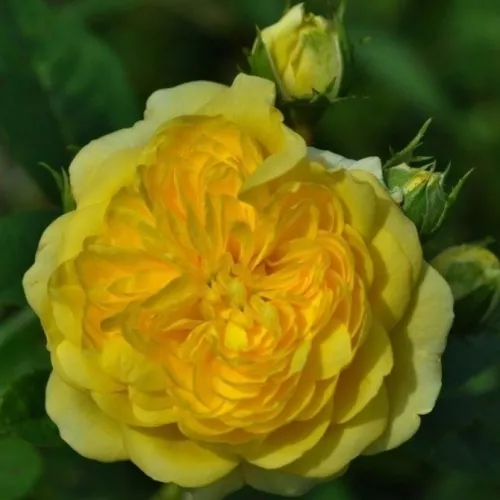
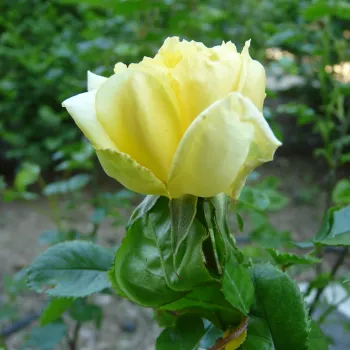
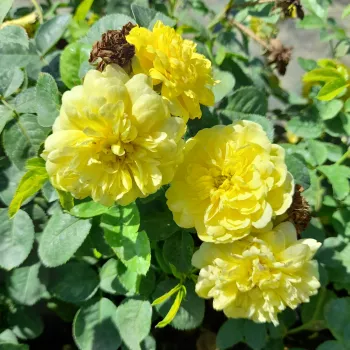
ANNY DUPREY® – lemon-yellow landscape shrub rose – Meilland
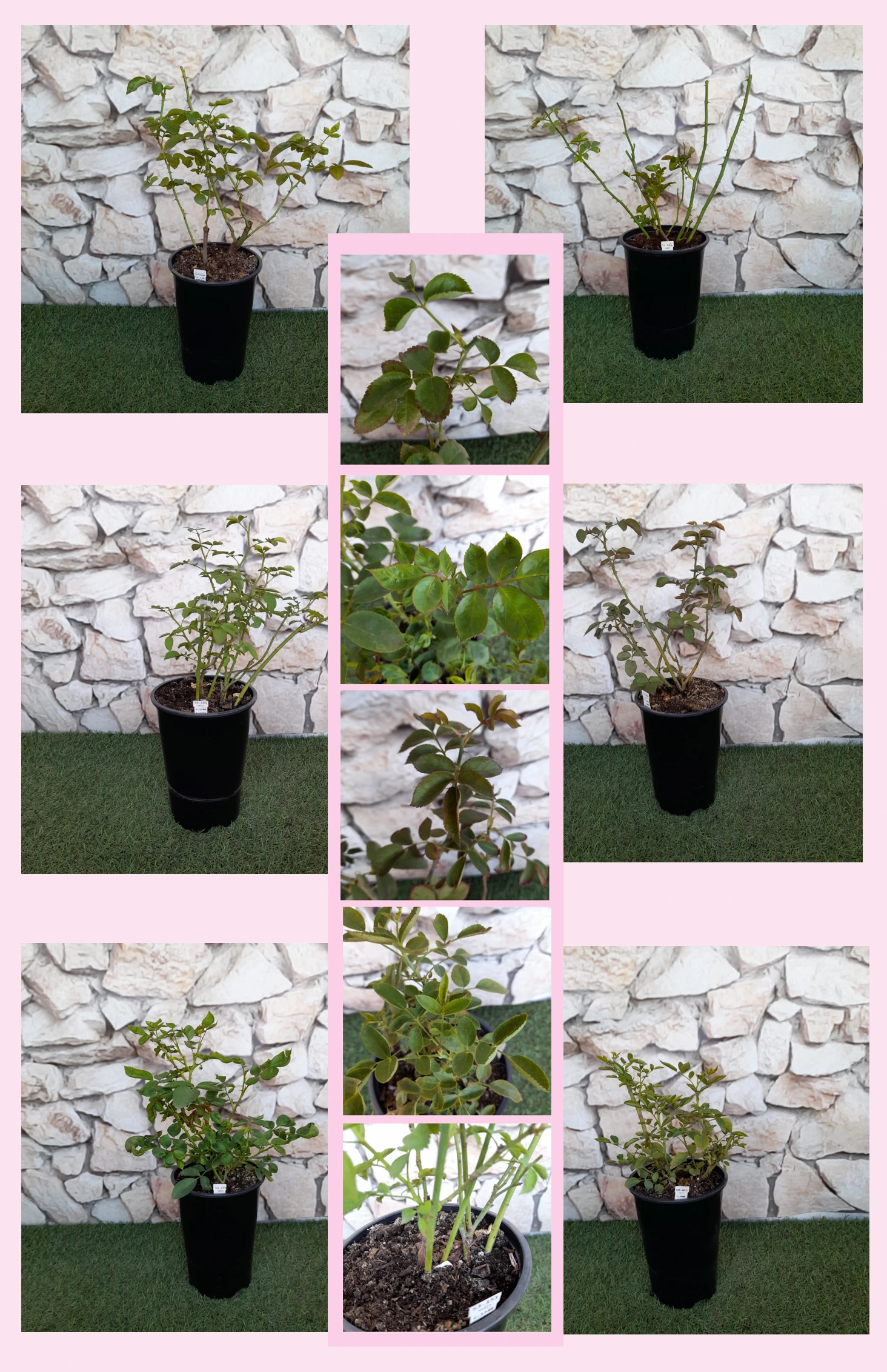
Bring a quietly romantic, English cottage feeling to your garden with ANNY DUPREY®, a compact shrub rose bred for reliability and long-term endurance in typical UK conditions, even where gardens are exposed to steady coastal breezes and frequent wet spells. Its bushy, upright habit and dense, dark green foliage create a natural structure for beds, hedges, or large containers, while clusters of very double, cup-shaped blooms in soft lemon-yellow provide a luminous, “afternoon tea” atmosphere all summer. As an own-root plant it offers reassuring renewal after hard winters or tougher pruning, preserving ornamental stability over many years with minimal intervention. Low maintenance needs and strong health make it a practical favourite for busy homeowners, with a gentle, sweet citrus fragrance that adds discreet charm to everyday garden life.
Usage options
| Target area | Reasoning |
|---|
| Mixed cottage-style border in a family garden |
The bushy, upright, compact habit and 90–130 cm height give a reliable mid-border layer that does not swamp neighbouring plants yet provides clear structure. Repeat-flowering clusters of lemon-yellow roses create a romantic, storybook look amongst perennials and herbs with very little pruning or feeding required, ideal where time is short but effect must be dependable for the beginner. |
| Low maintenance flowering hedge along a path or boundary |
Planted at 50 cm intervals, ANNY DUPREY® forms a softly formal hedge, combining dense foliage with continuous flushes of flowers through the season. Its good disease resistance reduces the need for chemical sprays, and own-root vigour supports long-term resilience after trimming or renovation, helping you maintain a neat, traditional boundary with light annual care for the busy homeowner. |
| Front garden feature for kerb appeal |
The compact, upright shape and glossy green leaves stay tidy around drives or front paths, while the rich lemon-yellow blooms fade gracefully to creamy tones, giving a well-kept appearance from spring to autumn. Minimal pruning and feeding needs allow you to keep the front garden presentable with just a few seasonal tasks, supporting a classic, welcoming look for the style-conscious family. |
| Large container on terrace, patio or balcony |
In a 40–50 litre container, the strong, bushy growth remains stable and upright without staking, making it easy to manage on hard landscaping. Regular watering will support remontant flowering, with new clusters opening repeatedly from late spring onwards. The own-root system tolerates repotting and light reshaping well, giving a durable focal point for the space-limited urbanite. |
| Kitchen-garden edge or potager-style layout |
The lemon-yellow blooms echo the colours of summer vegetables and herbs, while the compact form and moderate thorniness keep maintenance realistic around productive beds. Good disease resistance helps the plant remain healthy without complicated spray programmes, fitting neatly into informal, semi-organic plantings aimed at relaxed, ornamental productivity for the traditional gardener. |
| Informal mass planting in borders or small park areas |
With recommended spacing of around 60 cm for mass planting, ANNY DUPREY® quickly builds a coherent, flowering surface that reads as a single, soft yellow cloud. Its strong overall health limits losses, supporting lower long-term replacement needs. Own-root plants cope well with rejuvenation pruning, keeping blocks attractive over many seasons for the cost-aware planner. |
| Partially shaded family seating area |
Suitability for partial shade means blooms still develop well beside pergolas, arbours, and north-east facing fences, where many roses struggle. The mild, sweet citrus fragrance adds a gentle background note without overpowering the space, ideal near where children play or adults relax. Steady repeat flowering supports a lived-in, cosy atmosphere valued by the comfort-seeking family. |
| Exposed, wetter-border planting in cooler regions |
Strong disease resistance to black spot, mildew and rust helps ANNY DUPREY® stay presentable in changeable, humid weather, even in gardens open to wind and regular rain. Own-root stamina provides a safeguard if stems are damaged, as the plant can regenerate from below, protecting long-term structure and bloom display for the climate-conscious buyer. |
Styling ideas
- Cottage-Ribbon – weave ANNY DUPREY® through a border of foxgloves and bluebeard to echo an English cottage palette with soft verticals and yellow “ribbons” of bloom – ideal for romantic-border enthusiasts
- Kitchen-Edge – line a potager or herb bed with these bushy roses to frame vegetables with fragrant, buttery-yellow flowers and tidy foliage – suited to home cooks who love traditional garden structure
- Sunny-Front – place a trio near the front door with clipped evergreen shapes behind to combine formal bones and relaxed flowering charm – perfect for homeowners seeking easy kerb appeal
- Patio-Tea – grow one plant in a 40–50 litre terracotta pot beside a bistro set for a soft, lemon-scented backdrop to afternoon tea – designed for balcony and terrace users
- Soft-Hedge – create a low, flowering hedge along a family path, interplanting with airy calamint for a haze of blue and yellow above clean, green foliage – for families wanting safe, pretty boundaries
Technical cultivar profile
| Parameter | Data |
|---|
| Name and registration |
Modern shrub (landscape) rose, registered as MEItongas, marketed as ANNY DUPREY® Romantica®; ARS exhibition name Anny Duperey, bed rose commercial group, own-root container format offered. |
| Origin and breeding |
Bred by Alain Meilland, Meilland International, France; bred in 2006 and registered the same year, introduced commercially after 2006 as part of the Romantica® collection for ornamental garden use. |
| Awards and recognition |
Holds ADR (Germany, 2008) for garden performance; awarded first prize in Barcelona (2005) and a certificate at St Albans, United Kingdom (2008), confirming strong ornamental and garden value. |
| Growth and structural characteristics |
Compact, bushy, upright shrub 90–130 cm high and 65–95 cm wide, moderately thorny with dense, slightly glossy foliage in medium to dark green, forming a stable, well-filled framework for borders or hedges. |
| Flower morphology |
Large, very double, cup-shaped blooms (2.75–3.95 in) with 40+ petals, borne mainly in clusters; remontant habit with abundant second flush, giving repeated display across the main growing season. |
| Colour data and phenology |
Intense lemon-yellow flowers (RHS 9B–9A), centres stronger, petals paling towards edges; colour fades to creamy yellow with buttery tints, lighter in strong sun, richer and more vivid in cooler conditions. |
| Fragrance and aroma |
Mild, sweet citrus fragrance adding a light, pleasant note without dominating nearby seating areas; best appreciated at close range on still days, complementing its refined, romantic visual character. |
| Hip characteristics |
Hip set generally sparse due to very double blooms; where formed, hips are small, spherical, around 6–10 mm diameter, coloured orange-red and usually of minor ornamental significance in typical plantings. |
| Resistance and winter hardiness |
Good overall disease resistance, noted as resistant to powdery mildew, black spot and rust; hardy to around −21 to −18 °C (RHS H7, Swedish zone 3, USDA 6b), suitable for most UK regions with normal care. |
| Horticultural recommendations |
Best at 50–90 cm spacing depending on hedge or specimen use; prefers regular watering in prolonged drought, low pruning and feeding needs, and grows well in borders, hedges, containers or park plantings. |
ANNY DUPREY® offers romantic lemon-yellow blooms, dependable health, and compact structure, while the own-root form supports long-lived, easy-care planting; a thoughtful choice if you want enduring cottage charm with minimal effort.