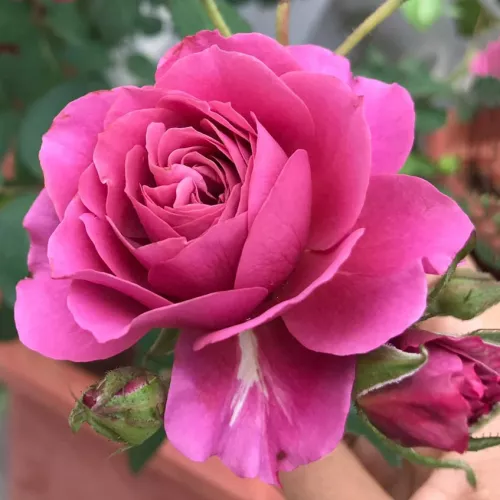
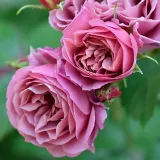
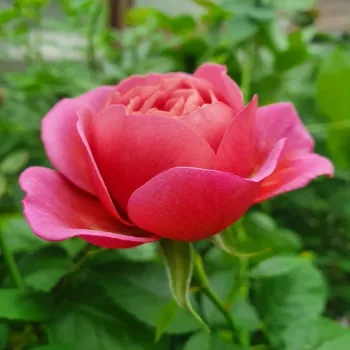
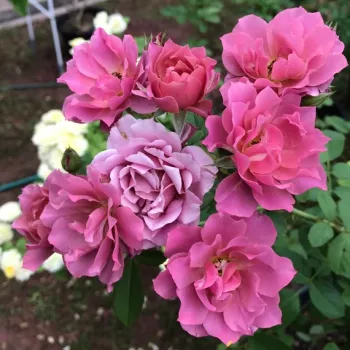
AOI – pink-lilac shaded bedding floribunda rose – Kunieda
AOI brings a serene, storybook atmosphere to an everyday family garden, its pastel blooms lending a gentle romance to summer evenings and weekend gatherings. Bred in Japan, this compact floribunda is naturally bushy and almost thornless, so tending it around children and pets feels reassuringly safe. In a typical British plot where soils can be heavy, it responds well to improved drainage and raised beds that cope gracefully with blustery showers and coastal winds. The very double clusters of cool lavender-lilac flowers carry a mild, comforting fragrance, ideal beside a small seating area or narrow path. Grown on its own roots, AOI is designed for long-term resilience with dependable regrowth from the base, offering steady ornamental continuity for years with only straightforward yearly care.
Usage options
| Target area | Reasoning |
|---|
| Front-of-border feature beside a terrace or path |
AOI’s compact, bushy habit and medium height make it ideal for the front or mid-front of a mixed border where you see it up close from a terrace chair or path. Its pastel lavender-lilac clusters sit neatly above the foliage rather than sprawling, so it reads as a tidy, deliberate feature from the house window as well as from the lawn, giving reliable visual focus for the time-pressed homeowner. |
| Romantic cottage-style flowerbed |
The very double, cupped blooms bring clear cottage-garden charm, pairing naturally with soft perennials and herbs. AOI’s repeat flowering gives multiple flushes to carry the border from early summer into autumn, supporting that “always something in bloom” look without frequent replanting, which suits families who prefer classic character over intricate maintenance for their cottage-garden lovers. |
| Solitary specimen near seating for afternoon tea |
Planted as a single clump close to a bench or arbour, AOI’s mild, pleasant scent and pastel colour palette create a calm, intimate feel. The almost thornless stems make it comfortable to sit beside and to brush past, while the cluster-flowering habit ensures a generous display in a small footprint, ideal where you want a focal point but have limited time for detailed shaping or training for busy garden owners. |
| Low, traditional flowering hedge |
Regular spacing along a path or boundary gives a low hedge of softly coloured rose clusters. The bushy structure fills out with age, and own-root plants regenerate from the base if any stems are cut back hard, which supports a long-lived hedge line. Simple annual pruning is enough to keep the outline, avoiding fussy clipping routines that might deter beginner gardeners. |
| Cutting patch in a kitchen or allotment garden |
AOI’s sturdy stems and medium-sized, very double blooms lend themselves to informal jug and vase arrangements. The remontant habit provides a good second flush, so you can cut regularly without losing overall effect. Because it is grown on its own roots, it recovers steadily from harvest cuts, making it a practical choice for those who want home-grown bouquets without complex rose-judging skills for home flower arrangers. |
| Raised bed or improved heavy-clay border |
AOI responds well when planting soil is loosened and drainage improved, whether in raised beds or amended clay, which is helpful in many UK family gardens. The compact root system anchors firmly over time, so the rose settles into a stable, long-term position. Its steady repeat flowering rewards the initial soil-preparation effort, giving ongoing value to owners of challenging soils. |
| Large patio container, 40–50 litres or more |
In a generous container of at least 40–50 litres, AOI can be positioned exactly where its colour and fragrance are most appreciated, from a city balcony to a small terrace. The bushy, upright shape fits well without dominating the space. Own-root plants re-sprout reliably if winter or pruning take stems back, providing long-term continuity in one cherished pot for urban balcony gardeners. |
| Mixed, part-shaded border by a fence or hedge |
AOI tolerates partial shade, so it works along east-facing fences or near taller shrubs where full sun is limited. The flowers hold their cool tones well out of harsh midday light, and careful positioning with some air movement helps manage its disease sensitivity in humid spells with blustery showers and coastal winds, supporting those who want impact without perfect conditions for realistic family-garden planners. |
Styling ideas
- Cottage-Ribbon – Thread AOI in a loose curve along a path with catmint, lady’s mantle and scabious to echo an English cottage border – ideal for lovers of romantic, slightly informal gardens.
- Tea-Corner – Place a single AOI in a large container by a small bistro set, underplanted with trailing thyme for scent – suited to urban homeowners creating a calm tea spot.
- Pastel-Patch – In a kitchen garden, group AOI with cosmos, larkspur and soft grasses to blend cutting flowers with edibles – appealing to those who enjoy home-grown bouquets.
- Soft-Hedge – Plant a low run of AOI along a front garden boundary, alternating with lavender to give fragrance and structure – perfect for families who want classic kerb appeal.
- Serene-Mix – Combine AOI in a mixed border with obedient plant ‘Rosea’ and purple loosestrife for layered pink-lilac tones – aimed at gardeners seeking a harmonious, colour-coordinated scheme.
Technical cultivar profile
| Parameter | Data |
|---|
| Name and registration |
AOI – pink-lilac shaded bedding floribunda rose, Flowerbed rose collection; commercial bed rose floribunda type, exhibition use as cut flower and shrub rose; cultivar authenticity verified for premium garden use. |
| Origin and breeding |
Bred by Keiji Kunieda at Rose Farm Keiji, Shiga Prefecture, Japan; introduced and registered in 2007, with parentage not recorded; selected for compact habit and distinctive pastel lavender-lilac flower colour. |
| Growth and structural characteristics |
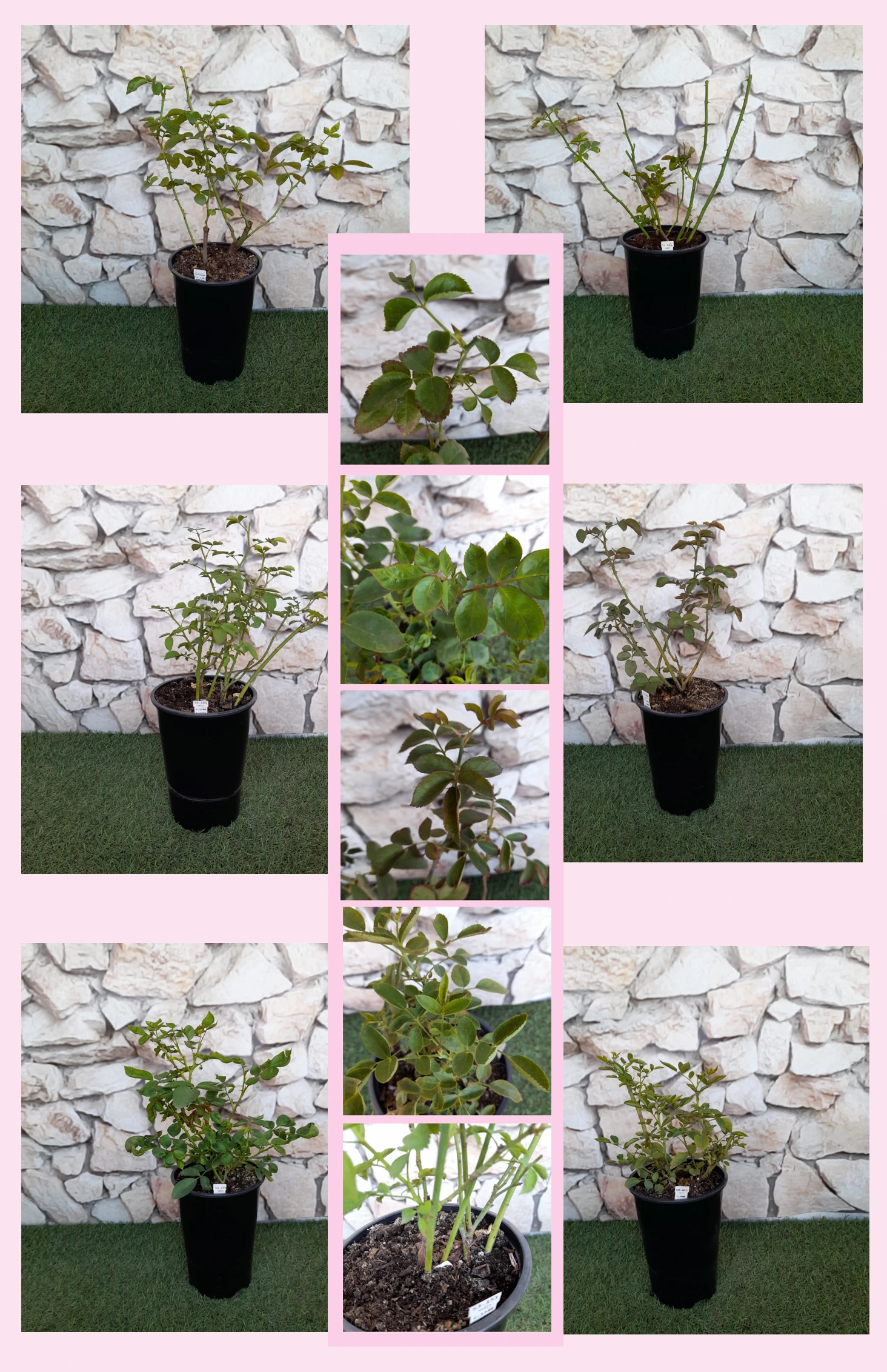
Bushy, compact shrub 70–90 cm high and 35–55 cm wide, with sparse, mid-green, slightly glossy foliage and very few prickles; medium self-cleaning so some spent blooms need removal to maintain a neat appearance. |
| Flower morphology |
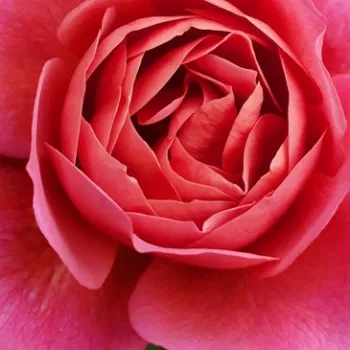
Medium-sized, very double, cupped blooms with 40+ petals, carried in clusters on branching stems; remontant with a good second flush, offering reliable flowering cycles for borders, hedging and home cut-flower use. |
| Colour data and phenology |
Cool lavender-lilac flowers with pinkish-purple tones, RHS 76C outer and 75D inner; colour lightens slightly in strong sun, remains deeper in cool conditions; buds and new blooms show a soft pastel, silvery-lilac effect. |
| Fragrance and aroma |
Mild but pleasantly noticeable rose fragrance with a delicate character; best appreciated at close range near seating areas or paths; primarily ornamental rather than for perfume production or culinary use in the household garden. |
| Hip characteristics |
Occasional spherical orange-red hips, about 8–12 mm in diameter, forming after successful pollination; mainly a minor visual accent rather than a heavy crop, and not the primary ornamental feature of the cultivar. |
| Resistance and winter hardiness |
Hardy to approximately –21 to –18 °C (RHS H7, USDA 6b, Swedish Zone 3); tolerates heat with watering in long dry spells; disease tolerance modest, with susceptibility to rust and some mildew and black spot in humid years. |
| Horticultural recommendations |
Best in fertile, well-drained soil with regular feeding and preventive protection in disease-prone areas; suitable for borders, specimen planting and cutting; recommended spacing 25–50 cm depending on hedge, mass plant or solitary use. |
AOI – pink-lilac shaded bedding floribunda rose – Kunieda offers compact, romantic colour, pleasant scent, and long-term stability from its own-root form; consider it if you want a graceful, enduring rose with manageable care needs.