SNOW TEARS – white landscape shrub rose – pharmaROSA®
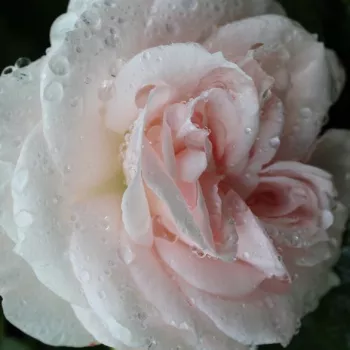
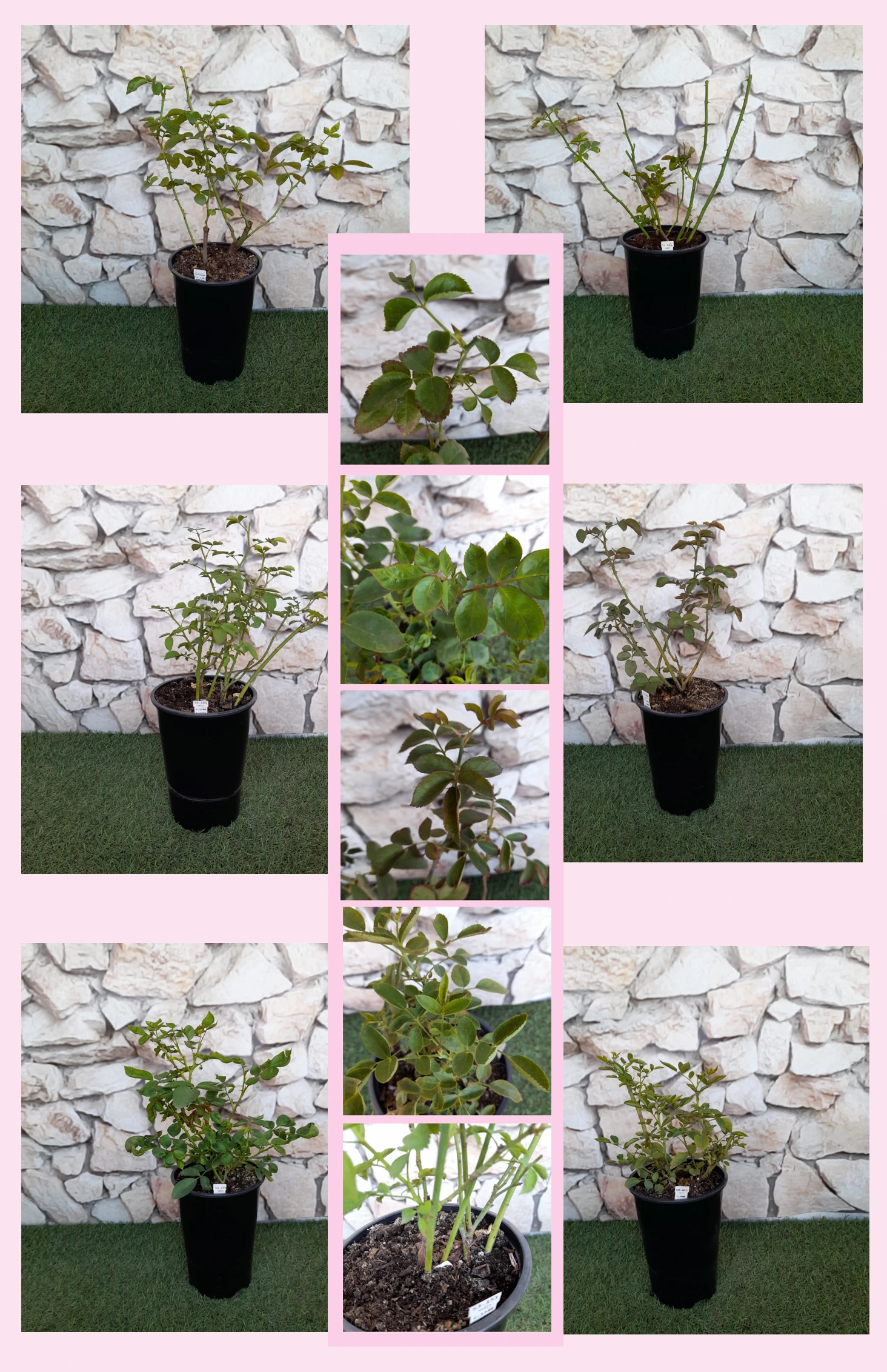
SNOW TEARS wraps a small family garden in storybook charm: low, upright shrubs covered in snow-white clusters that repeat all summer, with a light, refreshing fragrance that suits afternoon tea corners and cottage-style borders. Its compact habit and glossy mid‑green foliage make it ideal for low hedges or massed planting where you want season‑long coverage without fuss, even in sites that face frequent rain and brisk winds near the coast. As an own‑root rose it is bred for longevity, quietly building roots first, then top growth, before reaching its full romantic presence in the garden by about the third season.
Usage options
| Target area |
Reasoning |
| Front-of-border in a cottage-style mixed bed |
The compact 50–70 cm height and 55–85 cm spread keep SNOW TEARS neatly at the front of a border, with clusters of pure white blooms giving a calm, unifying line in front of perennials and herbs. Low maintenance and good disease resistance make it easy to manage for busy home gardeners. |
| Low informal hedge along paths or driveways |
Planted at 55–60 cm spacings, the upright, moderately dense shrubs knit into a soft, living edging that flowers repeatedly while still allowing air and light through. Reliable hardiness and sturdy structure help it cope with exposed approaches for family households. |
| Mass planting for a white “drift” effect |
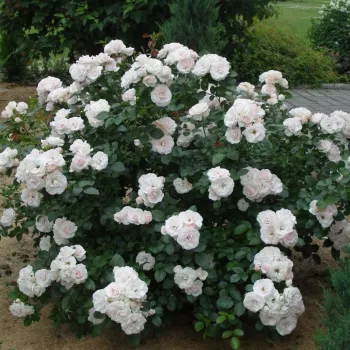
At 2.8–3.2 plants/m², SNOW TEARS forms a flowing carpet of white, ideal for tying together lawns, patios and kitchen‑garden beds. The remontant habit and very good colour retention keep the white effect clean and bright for design-conscious owners. |
| Centrepiece near seating or “afternoon tea” spots |
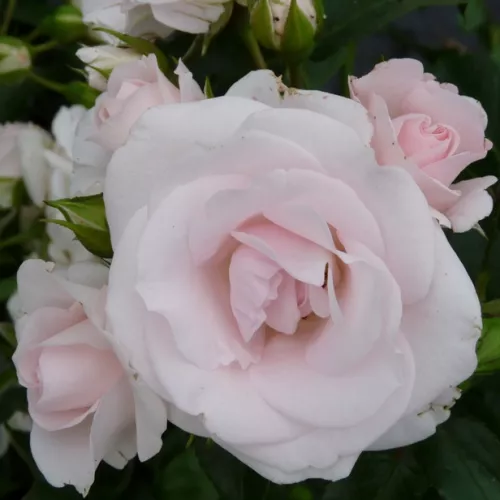
The cool white, cup‑shaped double flowers and gently refreshing scent create a calm backdrop to seating areas without overwhelming other colours. Continuous clusters of bloom lend a romantic, storybook feel that suits cottage-garden lovers. |
| Coastal and wind‑touched gardens |
Good overall health, sturdy upright stems and mid‑dense foliage mean the plant holds its shape and flowering even where gardens regularly face damp air and strong breezes from the sea. This reliability is reassuring for coastal property owners. |
| Small to medium family gardens with limited time |
Low maintenance needs, strong resistance to black spot, rust and powdery mildew, and a naturally tidy habit mean fewer sprays and less pruning, while own‑root vigour supports recovery from occasional neglect, ideal for busy urban families. |
| Large containers and half‑barrels (40–50 litres+) |
In a roomy, well‑drained pot, SNOW TEARS stays compact yet floriferous, giving a white fountain of bloom on patios or roof terraces. Its upright habit and moderate thorniness make day‑to‑day care easier for balcony and terrace gardeners. |
| Long‑term planting in clay or chalky borders |
Once established, the own‑root shrub anchors well and copes with typical UK clay or chalk, provided drainage is improved; roots strengthen in year one, top growth builds in year two, and full ornamental value follows in year three, rewarding patient beginners. |
Styling ideas
- White-ribbon border – Run a drift of SNOW TEARS along a lawn edge, underplant with low catmint for soft blue contrast – perfect for relaxed cottage-garden fans
- Rose-and-lavender walk – Alternate SNOW TEARS with dwarf lavender along a path, using their shared love of sun and good drainage – ideal for fragrance appreciators
- Kitchen-garden frame – Use SNOW TEARS as a low hedge around vegetable beds, pairing with rosemary to link ornamental and edible areas – suited to kitchen-garden enthusiasts
- Evening light corner – Plant several shrubs near a terrace so the cool white flowers catch dusk light and extend garden “glow” time – for after-work relaxers
- Front-garden welcome – Flank the front door with large containers of SNOW TEARS for a neat, long-flowering welcome – attractive to low-maintenance seekers
Technical cultivar profile
| Property |
Data |
| Name and registration |
SNOW TEARS is a floribunda / landscape shrub bedding rose marketed as a white landscape shrub rose; commercial name Snow Tears Bedding rose pharmaROSA®, own‑root container form for gardens. |
| Origin and breeding |
Discovered in Hungary in 1989 and introduced by PharmaRosa® Ltd.; exact parentage and breeding institution are not recorded, but selection focused on garden reliability and resistance for Central European conditions. |
| Growth and structural characteristics |
Compact, upright shrubs 50–70 cm tall and 55–85 cm wide, with moderately dense, glossy mid‑green foliage and moderate prickliness; well suited to edging, mass planting and container culture in family gardens. |
| Flower morphology |
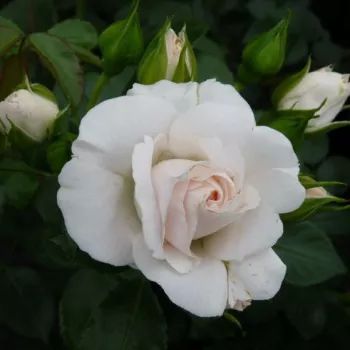
Medium-sized, cup-shaped, double blooms with 26–39 petals, borne in clustered inflorescences; remontant, with a strong second flush that maintains decorative effect across the main garden season. |
| Colour data and phenology |
Pure, cool snow‑white flowers (RHS 155 D outer, 155 C inner) with subtle ivory hints at the centre; colour remains very stable, edges only gently shading to cream as blooms age before petal drop. |
| Fragrance and aroma |
Light, refreshing fragrance of a restrained character, noticeable close to the blooms without dominating nearby seating or dining areas; suitable where gentle scent is preferred over strongly perfumed roses. |
| Hip characteristics |
Occasionally forms small decorative hips around 10–15 mm in diameter; production is irregular and mainly of interest for seasonal detail rather than for heavy wildlife or culinary use. |
| Resistance and winter hardiness |
Highly resistant to powdery mildew, black spot and rust; reliably hardy to about −23 to −26 °C (RHS H7, Swedish zone 4, USDA 5b), making it suitable for exposed or colder UK garden positions. |
| Horticultural recommendations |
Low-maintenance landscape shrub rose for borders, hedging, mass planting and large containers; plant at 55–90 cm depending on use, in well‑drained soil, with routine spring pruning and light summer deadheading. |
SNOW TEARS offers compact structure, clean snow‑white repeat flowering and reliable disease resistance in a long-lived own-root form that quietly settles into the family garden; consider it if you prefer enduring beauty with minimal labour.