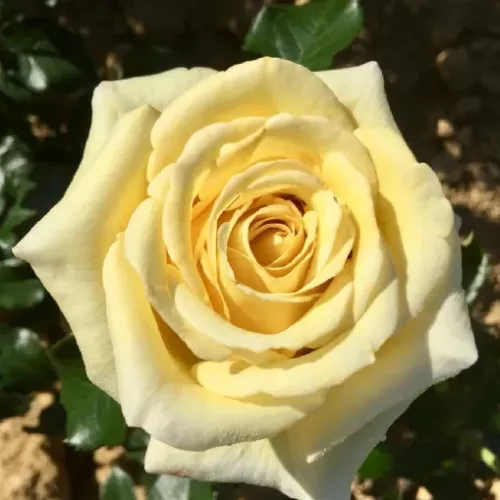
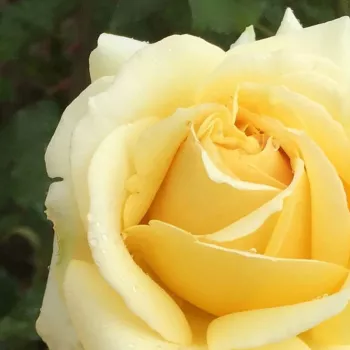
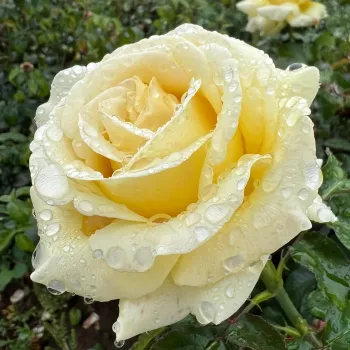
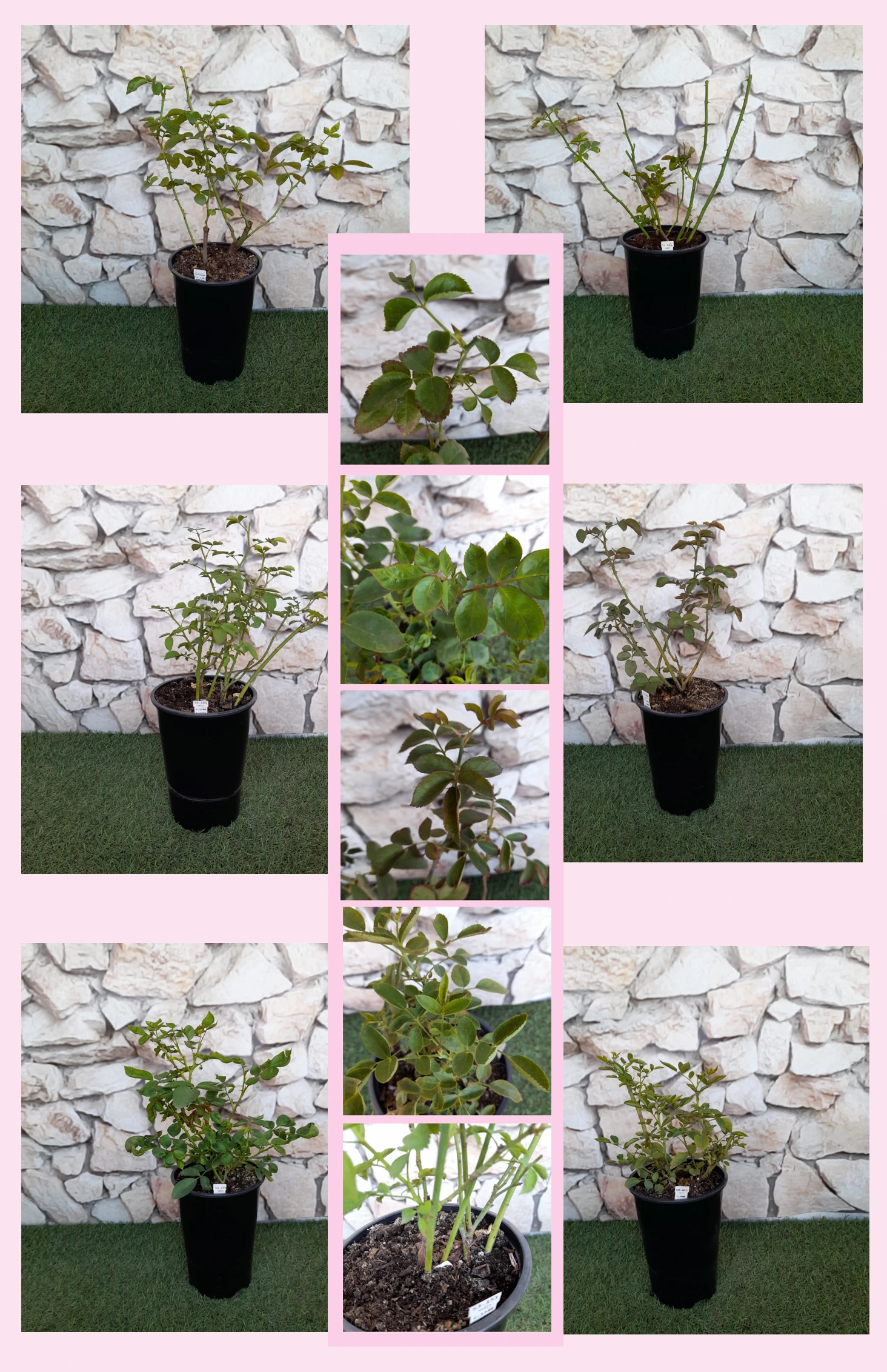
AUBADA – pastel yellow hybrid tea rose – Ghione & NIRP
With its pastel-yellow blooms and elegant fragrance, AUBADA brings a gentle, romantic atmosphere to family gardens, evoking afternoons of quiet tea-time beneath a rose-covered arbour. Bred by NIRP as a modern hybrid tea, it combines classic, high‑centred flowers with low-maintenance performance that suits busy households. On its own roots it settles reliably and builds a long-lived, stable structure, regenerating well after pruning and supporting an impressive lifespan with little effort. Compact and upright, it tucks easily into cottage-style borders, raised beds or larger containers. Its resistant foliage copes well in typical UK conditions, even where strong winds and rain can quickly flatten less robust roses, giving you steady ornamental value from season to season. As the plant matures through its natural rhythm of establishing roots, then building shoots, then reaching full show, you can simply enjoy its storybook charm.
Usage options
| Target area | Reasoning |
|---|
| Front-of-border feature in a cottage-style bed |
The compact, upright habit makes AUBADA easy to place at the front or mid‑front of a mixed border without overwhelming nearby perennials. Its pastel-yellow flowers read as gentle highlights rather than harsh spots of colour, fitting effortlessly among traditional cottage favourites and allowing simple pruning with no complicated shaping for beginners. |
| Romantic specimen near a seating area |
Large, high‑centred blooms and a strong, elegant scent are ideal beside a bench, pergola or small arbour, where flowers can be appreciated at close range. Planting a single shrub or a pair frames an intimate corner and requires only light deadheading and annual pruning to maintain shape, suiting homeowners. |
| Cutting patch in a family back garden |
AUBADA’s long-stemmed, exhibition-style flowers translate naturally into vases, bringing pastel tones indoors without the need for specialist rose care. Regular picking doubles as deadheading, encouraging repeat flushes and making good use of a small cutting strip in an ordinary garden for hobby-gardeners. |
| Low-maintenance rose bed for busy households |
Good resistance to black spot, powdery mildew and rust means fewer sprays and less time spent troubleshooting foliage, even in humid or unsettled summers. Group planting at the recommended spacing produces a coherent, easy-care bed that stays attractive with modest seasonal tasks for busy-families. |
| Large containers on patios and roof terraces |
The moderate height and limited spread suit deep, stable containers of at least 40–50 litres, where own-root planting offers long-term reliability without the worry of graft failure. With regular watering and feeding, even paved or roof spaces can enjoy a classic rose presence for urban-gardeners. |
| Mixed planting with kitchen-garden herbs and perennials |
The soft pastel-yellow colouring blends well with blues, mauves and silvery foliage around a kitchen garden, without clashing with productive beds. With its own-root resilience and relatively sparse thorns, it can be sited near paths or vegetable rows while remaining family-friendly for traditionalists. |
| Wind-exposed or coastal-influenced gardens |
The firm, upright stems and moderately dense, glossy foliage stand up well where gardens experience regular breezes and driving showers, supporting reliable flowering even on more open sites where strong winds and rain can quickly flatten less robust roses, making it a practical choice for coastal-owners. |
| Long-term planting in clay or chalk-based family plots |
Planted in well-prepared soil or raised beds, the own-root system establishes securely over time, building a durable framework that responds well to rejuvenation pruning and recovers quickly after harsh winters. This steady development rewards patient gardeners planning a lasting display for families. |
Styling ideas
- Pastel Arbor Retreat – Train AUBADA beside a small arch and underplant with Campanula persicifolia and soft grasses to frame a bistro set – ideal for homeowners wanting a romantic tea corner.
- Cottage Foreground Trio – Plant three shrubs in a loose triangle at the border front among lamb’s ear and low catmint for a classic cottage feel – perfect for lovers of English countryside style.
- Patio Reading Pot – Grow a single plant in a 50‑litre container with trailing thyme at the rim to scent a small seating nook – suited to urban-gardeners with limited ground space.
- Kitchen-Garden Edge – Line the sunny edge of a vegetable plot with spaced AUBADA plants interwoven with chives and sage for a soft, productive boundary – appealing to rural kitchen-garden owners.
- Soft Yellow Rose Bed – Create a dedicated rose bed of AUBADA with alternating clumps of peach‑leaved bellflower to keep colour calm and harmonious – recommended for families seeking an easy-care focal area.
Technical cultivar profile
| Parameter | Data |
|---|
| Name and registration |
Hybrid tea rose from the NIRPARFUM collection; registered as NIRPanel and marketed as AUBADA, also listed as Aubada NIRPARFUM, with ARS exhibition name Aubade. |
| Origin and breeding |
Bred in France by Ghione and NIRP International SA, introduced in 2019 by NIRP International S.A.; parentage not disclosed but selected for refined bloom form and fragrance. |
| Growth and structural characteristics |
Compact, upright shrub 75–105 cm high and 35–55 cm wide, with moderately dense, dark green glossy foliage and relatively sparse thorns; weak self‑cleaning so spent blooms benefit from removal. |
| Flower morphology |
Large, very full, high‑centred hybrid tea flowers with 40+ petals, typically borne singly on stems; remontant, producing a strong second flush and suitable both for garden display and cutting. |
| Colour data and phenology |
Pale, warm pastel yellow with cream tones; buds lemon yellow, opening to buttery inner petals that soften to cream before fading, classified RHS 11D outer and 8D inner, with moderate colour retention. |
| Fragrance and aroma |
Strongly scented cultivar with an elegant, classic rose fragrance character; flowers are primarily ornamental rather than pollinator-focused due to the very double form that conceals stamens. |
| Hip characteristics |
Hip set is sparse, with small, inconspicuous hips typically 0–5 mm in diameter; decorative effect in autumn is minimal and energy is mainly directed into repeat flowering rather than fruiting. |
| Resistance and winter hardiness |
Rated resistant to major rose diseases including black spot, powdery mildew and rust; hardy to approximately −21 to −18 °C (RHS H7, Swedish zone 3, USDA 6b) under normal garden conditions. |
| Horticultural recommendations |
Best in a sunny position as specimen, in beds, low hedges or large containers; low maintenance with routine feeding and pruning, planted at 25–50 cm spacing depending on use and desired density. |
AUBADA offers romantic pastel-yellow blooms, strong fragrance and disease-resilient, own-root durability for long-lived, low-effort charm in everyday family gardens, making it a thoughtful choice for your next rose planting.