BELLE DE CRÉCY – mauve-lilac historic Gallica rose – Roëser
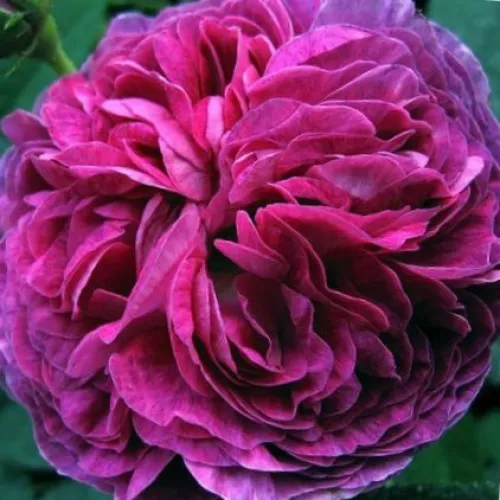
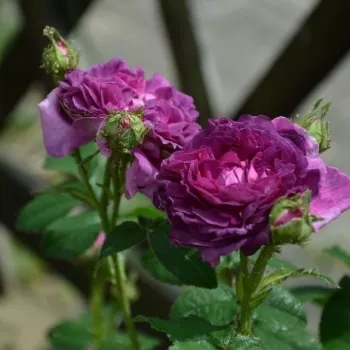
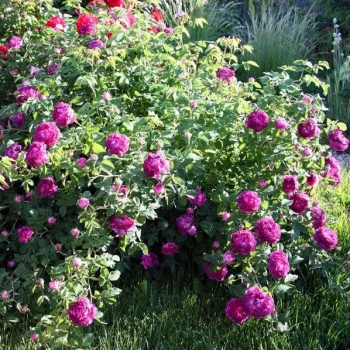
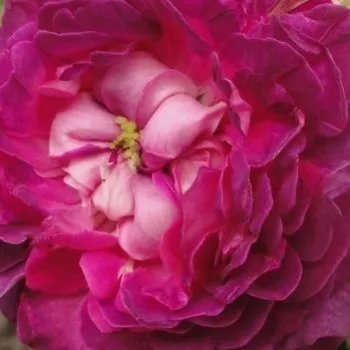
A cherished historic shrub rose for the traditional cottage garden, BELLE DE CRÉCY brings romantic depth to flowerbeds, hedges and specimen plantings with its richly scented, once-a-year summer display. The strongly double, rosette blooms shift from deep crimson-pink to mauve-lilac and greyed lavender, creating an effortlessly atmospheric backdrop for afternoon tea beneath an arbour. On its own roots it forms a naturally long-lived clump that can regenerate from the base, preserving its authentic character even after harder pruning or weather damage. Over time this own-root strength means roots establish first, then robust shoots, before you enjoy the full ornamental picture in the third year, giving a reassuringly stable presence in typical British gardens. Its moderately sized, upright yet slightly arching habit fits easily into family plots, including spots where occasional brisk coastal winds and frequent showers call for a resilient, well-anchored structure.
Usage options
| Target area | Reasoning |
|---|
| Romantic focal point in a family front garden |
Planted as a single specimen by a gate, path or bench, BELLE DE CRÉCY becomes an instant talking point with its old-fashioned, rosette blooms and dramatic mauve-lilac colour changes. The upright, slightly arching structure stays compact enough for average front gardens while still looking substantial and established, giving you a traditional, storybook welcome without dominating the space; particularly appealing for the homeowner. |
| Informal cottage-style hedge along a boundary |
The suckering, own-root growth makes it well suited to loose hedging where individual plants gradually knit together into a romantic, slightly irregular line. Because it is not grafted, any shoots from the base remain true to type, so you can let it thicken naturally for privacy and summer impact without specialist pruning knowledge; this gives dependable structure and charm for the family-gardener. |
| Mixed cottage border with perennials |
In a classic English-style border, its once-flowering but long-lasting early summer display can be underplanted with perennials such as coneflowers, lupins and ornamental grasses, which continue the show after the rose has finished. The moderate height and spread mean it slips comfortably into beds of limited depth, offering a strong vertical accent and fragrance while leaving room for companion plants to shine later in the season; ideal for the cottage-lover. |
| Seasonal highlight near terraces or seating |
Placing this variety near a patio or lawn seating area allows you to enjoy its strong, classic old-rose fragrance at close quarters during its main flowering period. Because it blooms once with a concentrated flush, it becomes a much-anticipated seasonal event that pairs naturally with summer family gatherings and afternoon tea outdoors, giving maximum sensory reward for minimal ongoing intervention from the busy-gardener. |
| Own-root heritage accent in a kitchen or utility garden |
Used at the edge of a kitchen garden or utility space, BELLE DE CRÉCY softens functional areas with a touch of historic romance while remaining practical. Its own-root character allows for more confident renovation pruning if it outgrows its place, and it can be allowed to make a small thicket that provides structure all year, complementing raised beds and paths that also cope well with regular rain and brisk breezes; this suits the practical-owner. |
| Feature planting in heavier soils with managed drainage |
Where gardens sit on heavier clays, this shrub adapts well if given improved drainage or raised beds, its moderate root system anchoring securely once established. In such situations the own-root form is reassuring: if the top growth suffers from winter wet or exposure, strong new shoots can arise from the base, helping the plant recover its form without replanting; a comforting option for the clay-soil. |
| Large container or half-barrel near the house |
For smaller plots or paved spaces, it can be grown in a large container of at least 40–50 litres with good-quality compost and regular watering. The manageable size and upright habit mean it will not overwhelm a balcony or courtyard, yet still offers that once-a-year, highly scented flush right by the back door or seating area, providing period charm without needing a full border, attractive to the urban-gardener. |
| Period-style rose collection or heritage corner |
In a garden area devoted to older roses or a “heritage corner”, BELLE DE CRÉCY brings authentic nineteenth‑century character and colour transitions that fascinate collectors and visitors alike. Its own-root longevity enables you to treat it as a semi-permanent feature, expected to endure for many seasons with straightforward care, creating a quietly dignified backbone to a small group of historical shrubs; particularly rewarding for the rose-enthusiast. |
Styling ideas
- Kitchen-garden arch – Train BELLE DE CRÉCY loosely along a rustic arch at the entrance to a kitchen garden, underplanting with herbs and lupins for a romantic, productive walkway – for cottage-style cooks and growers.
- Mauve-lilac hedge – Create a low, informal hedge along a path or drive, spacing plants so they knit into a soft, flowering boundary that frames lawns and play areas – for families wanting gentle enclosure.
- Storybook corner – Combine this rose with old-fashioned perennials and a weathered bench to form a secluded reading nook filled with scent and historical character – for lovers of quiet garden retreats.
- Courtyard centrepiece – Grow it in a large half-barrel or stone-effect pot, surrounding the base with lavender and ornamental grasses for movement and contrast – for town gardeners with paved spaces.
- Heritage collection – Group BELLE DE CRÉCY with other historic shrub roses in a dedicated bed, using gravel or brick edging to echo traditional French and English gardens – for collectors of classic varieties.
Technical cultivar profile
| Property | Data |
|---|
| Name and registration |
Historic Gallica shrub rose, current trade name BELLE DE CRÉCY; American Rose Society exhibition name Belle de Crecy; unregistered cultivar, marketed as a heritage garden variety. |
| Origin and breeding |
Historic French rose attributed to breeder Pierre Jean Louis Roëser; bred around 1836, introduced circa 1829; parentage unknown, placed among Gallica, Provins and Hybrid China groups. |
| Growth and structural characteristics |
Upright to slightly arching shrub, 75–125 cm high and wide, with moderate, matte grey-green foliage and sparse prickles; forms a suckering, own-root bush suited to hedging and specimen use. |
| Flower morphology |
Medium-sized, very double, rosette-form blooms with more than 40 petals, produced in corymbose clusters; once-flowering shrub with a concentrated early summer display rather than repeat flushes. |
| Colour data and phenology |
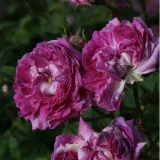
Buds open vivid pink-purple, then cherry red–magenta, fading through mauve and greyish lilac with silvery reverses; colour retention is modest, giving layered, antique tones over the flowering period. |
| Fragrance and aroma |
Strong, long-lasting fragrance with a full, old-rose character, recalling traditional damask and Gallica scents; best appreciated near paths, doors or seating where still air can hold the perfume. |
| Hip characteristics |
Hip set is generally sparse due to the very double flowers; where formed, hips are small, spherical and orange-red, around 11–18 mm in diameter, adding a light ornamental accent in late season. |
| Resistance and winter hardiness |
Very hardy shrub rated to about −32 to −29 °C (USDA 4b, RHS H7); disease resistance is modest, with susceptibility to rust and some mildew and black spot, so regular monitoring and care are advised. |
| Horticultural recommendations |
Best in well-prepared, free-draining soil with full sun or light shade; suitable for flowerbeds, hedging, parks and specimen planting, spaced 90–170 cm apart depending on use and desired density. |
BELLE DE CRÉCY offers richly scented, colour-shifting historic blooms, a manageable shrub form and reassuring own-root longevity, making it a thoughtful choice for gardeners seeking lasting cottage-style romance.