BERKELEY – pink bedding grandiflora rose – Warriner
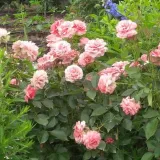
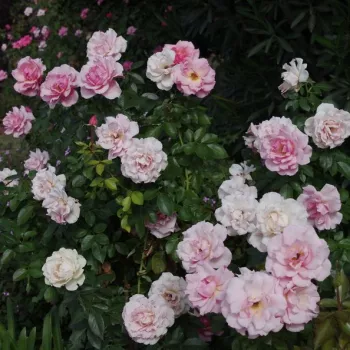
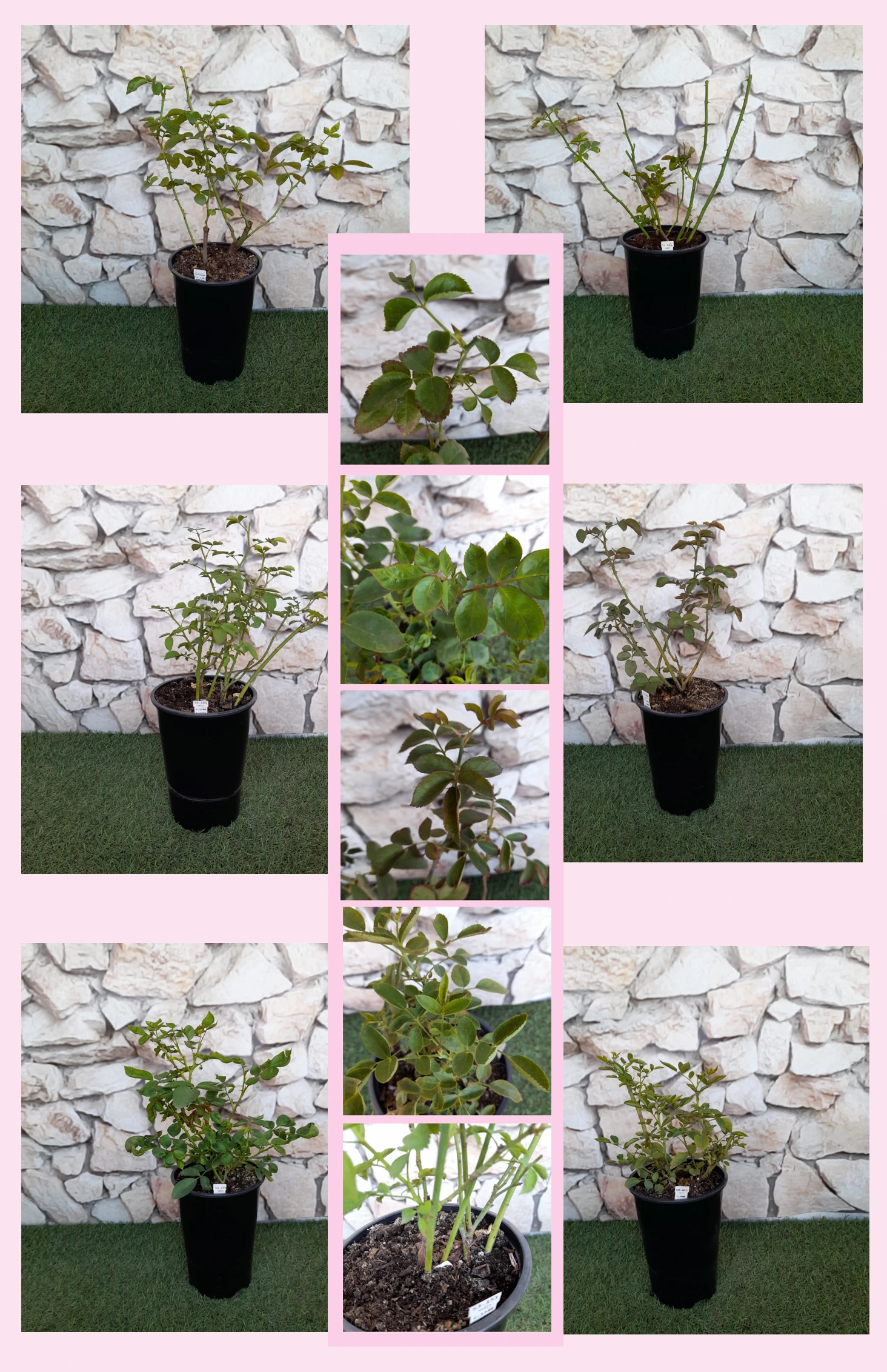
For a truly romantic cottage feel, BERKELEY brings softly cupped, coral‑pink clusters that sit beautifully in a family border and suit relaxed, “girly” planting schemes. This own‑root, 2‑litre rose arrives as an established plant, so you can settle it into beds or a large container with confidence, knowing it is bred to give you years of dependable structure and colour. Once planted in well‑prepared soil that copes with wind, its upright habit and dense, deep green foliage help anchor the planting and frame paths, arches or a small arbour. Over time the own‑root system supports steady regeneration, so the shrub keeps its ornamental value with modest pruning and simple seasonal care – roots getting stronger in the first year, shoots building height and shape in the second, and by the third season a full, storybook presence of flowers for relaxed afternoon tea. The abundant, clustered blooms work both in the border and as casual cut stems, the pastel tones blending easily with hedging, lavender and kitchen‑garden planting. Mild, pleasant scent, soft colour transitions and a naturally upright habit make BERKELEY a versatile choice for those who want reliable height and flower without complex shaping. Given regular health care and thoughtful watering, this rose returns season after season as a comforting, long‑lived feature in your garden, ideal for small to medium plots where every plant must earn its keep and enhance the overall cosiness.
Usage options
| Target area | Reasoning |
|---|
| Main family border near terrace |
The upright, grandiflora habit and dense foliage provide a gently formal backdrop to everyday family life, while the soft salmon‑pink clusters bring a relaxed, cottage feel close to seating areas; suited to those wanting easy structure and a calm, traditional look for beginners. |
| Small cottage‑style front garden |
BERKELEY’s medium footprint and repeat flowering make it ideal for giving instant visual weight to modest plots, with colour that harmonises well with brick, gravel and low hedging, supporting that English front‑garden charm for homeowners. |
| Mixed rose and perennial bed |
The warm pink shades blend effortlessly with purples, creams and silver foliage, while the clustered flowers provide rhythm through the season, allowing easy pairing with cottage perennials for those who like harmonious planting but limited upkeep for romantics. |
| Informal flowering hedge |
Planted at hedge spacing, BERKELEY creates a softly upright, semi‑see‑through screen that marks boundaries without feeling harsh, giving flowers at eye level and a gentle sense of enclosure that suits family buyers seeking privacy without heavy maintenance for families. |
| Large containers on patio (40–50 L+) |
In a generously sized pot, the strong framework and repeat blooms make a long‑season focal point by doors or seating, especially where borders are limited, ideal for busy urban gardeners wanting impact from one or two key plants for city‑dwellers. |
| Kitchen‑garden path or arbour approach |
Used in pairs or small groups, the upright shrubs flank paths and lead the eye towards vegetable beds or a simple arch, their soft colour and mild fragrance enriching that storybook walk down the garden for cottage‑lovers. |
| Coastal or breezy suburban plots |
With careful planting into well‑drained soil and staking at establishment, BERKELEY’s height and framework stand up as a vertical accent even where gardens feel exposed to onshore breezes and shifting weather, suiting practical gardeners in open situations for coast‑dwellers. |
| Cut‑flower corner in the border |
The medium‑sized, cupped blooms on clustered stems lend themselves to regular cutting for jugs and vases indoors, and the remontant habit means the plant soon replaces harvested stems, pleasing those who enjoy home‑grown arrangements without complicated techniques for flower‑fans. |
Styling ideas
- Cottage‑border ribbon – Plant BERKELEY in an informal drift with lavender and hardy geraniums to create a soft pink‑and‑blue ribbon along a lawn edge – ideal for those seeking an English countryside feel.
- Pastel front garden – Combine with white foxgloves, pale catmint and low box or yew to frame a path, letting BERKELEY’s warm pinks soften the structure – suited to homeowners who like neatness with romance.
- Kitchen‑garden gateway – Flank the entrance to raised beds with BERKELEY and herbs such as sage and chives, giving a rosy welcome that still feels practical – for families who mix flowers with productive planting.
- Patio focal planter – Grow a single BERKELEY in a 50‑litre terracotta pot with trailing thyme and lobelia at the base for colour at different levels – perfect for busy urban gardeners with limited bed space.
- Soft screening strip – Alternate BERKELEY with taller grasses or columnar shrubs along a fence to blur boundaries and catch the light on flowers and foliage – appealing to those wanting privacy without a solid hedge.
Technical cultivar profile
| Parameter | Data |
|---|
| Name and registration |
Grandiflora shrub rose; registered as JACient, sold as BERKELEY and shown under the exhibition name ‘Tournament of Roses’ in bedding and cut‑flower categories. |
| Origin and breeding |
Bred by William A. Warriner for Jackson & Perkins Co. in the United States, from a cross of ‘Impatient’ with an unnamed seedling; introduced in 1988 after 1987 registration. |
| Awards and recognition |
Recognised as an All‑America Rose Selections winner in 1989, reflecting its visual garden impact and flowering performance in trial conditions across multiple test locations. |
| Growth and structural characteristics |
Strong, upright bushes 130–170 cm high and 75–105 cm wide, with dense, deep green, slightly glossy foliage and moderate prickliness, forming a vertical, shrub‑like framework in borders. |
| Flower morphology |
Medium, double, cupped blooms with 26–39 petals, produced in clusters; remontant habit with an abundant second flush, though spent flowers usually need manual removal to stay neat. |
| Colour data and phenology |
Warm salmon‑pink flowers, deeper on petal reverses; buds open coral‑pink, then soften to pastel pink, with generally good colour retention and only light edge paling in strong sun. |
| Fragrance and aroma |
Pleasant but mild fragrance of restrained character, adding a gentle scented presence near seating areas without overwhelming nearby planting or strongly perfuming indoor arrangements. |
| Hip characteristics |
Hip set is usually light due to double, continuously produced blooms; where present, hips are small, orange‑red, spherical, typically around 6–10 mm in diameter later in the season. |
| Resistance and winter hardiness |
Hardy to approximately −21 to −18 °C (RHS H7, USDA 6b, Swedish zone 3); disease resistance is very weak, so regular protective spraying and good hygiene are needed for clean foliage. |
| Horticultural recommendations |
Best in sunny positions with fertile, well‑drained soil; water reliably in dry spells and plan a regular spray programme, with deadheading and light pruning to sustain repeat flowering. |
BERKELEY combines romantic salmon‑pink clusters, an upright, space‑saving habit and reliable repeat flowering with the long‑term resilience of an own‑root shrub; consider it where you want enduring cottage charm from a single planting decision.