KERBEROS – white-pink dwarf-mini rose - pharmaROSA®
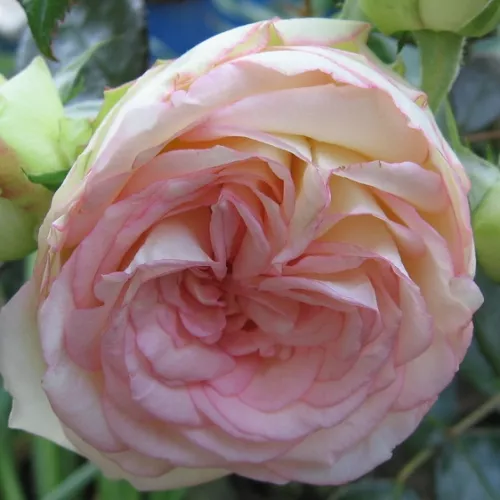
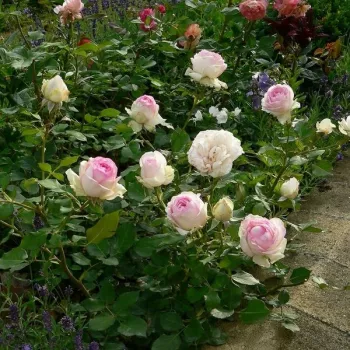
In a small family garden, KERBEROS offers a charming way to create a romantic cottage feel in tight spaces, with neat, low mounds of bloom that cope reliably with breezy, coastal conditions and changeable British summers. Its compact habit suits front-of-border edging or terrace pots, while the creamy, pink-edged flowers bring a soft, storybook colour palette to paths, play lawns and kitchen-garden corners. As an own-root rose, it develops a naturally balanced structure and can quietly regenerate from the base after harsher winters, supporting a long-lived, low-fuss display rather than short-term impact. Over time, you will see it shift from root-building in the first year, to stronger shoots in the second, before reaching full ornamental value by about the third season. Its strong, wine-like fragrance adds a sophisticated note to afternoon tea under an arbour, without demanding complicated pruning or expert skills.
Usage options
| Target area |
Reasoning |
| Front edging in a family cottage border |
The low, dwarf stature forms a tidy, flower-lined edge along paths and lawn fronts without blocking views or children’s play. Dense foliage and compact growth make it easy to weave among perennials for a soft cottage look, ideal for the busy beginner. |
| Romantic colour focus near seating or terrace |
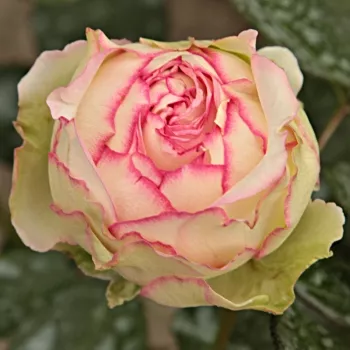
The creamy petals with pink-edged rims create a gentle, “girly” colour accent that blends well with whites, soft purples and silver foliage around benches or bistro tables. This calm palette flatters small urban patios and courtyard gardens for the cottage-lover. |
| Containers and large patio pots (40–50+ litres) |
The neat root system and compact habit adapt well to generous containers, where consistent watering is easy to manage. In a 40–50 litre pot it becomes a stable, scented focal point for paved family terraces, suitable for the balcony-gardener. |
| Exposed, breezy or coastal gardens |
The sturdy, low framework keeps stems well-anchored and less prone to wind damage, making it reliable where taller roses can rock or snap. It holds its shape and bloom in gardens open to salt-laden breezes and unsettled weather for the seaside-owner. |
| Low-maintenance family planting with simple care |
Moderate disease resistance and medium maintenance needs mean routine checks and occasional treatments are usually enough, rather than intensive spraying. Own-root growth allows easy cutting back if ever needed, reassuring the time-poor. |
| Long-term, stable feature in small gardens |
As an own-root plant, it does not depend on a graft union, so it can regenerate from its own base and maintain its character over many years. This underpins a durable, coherent look in compact spaces valued by the homeowner. |
| Flexible pruning and shaping for borders |
The dwarf framework responds well to light trimming or harder winter cuts, making it simple to keep within a precise height for edging or a slightly looser outline by a path. This flexibility suits the casual-pruner. |
| Fragrant highlight by doorways or garden gates |
Strong, wine-like scent concentrates beautifully at nose height when planted near entrances or low arches. Clusters of very double blooms bring a touch of formality and romance, even in practical front gardens, pleasing the scent-seeker. |
Styling ideas
- Teacup-border – Edge a small lawn with repeating groups of KERBEROS and soft catmint, creating a low, foamy border that frames children’s play space – ideal for families who enjoy relaxed formality.
- Patio-bouquet – Plant three KERBEROS in a 50-litre terracotta pot with trailing sweet alyssum for a long-season, fragrant “bouquet” beside a seating area – perfect for terrace owners who want easy colour.
- Kitchen-path – Line a vegetable garden path with KERBEROS and evergreen candytuft to link productive beds with a romantic cottage feel – suited to home cooks who love a traditional potager look.
- Front-garden-frame – Use KERBEROS in small groups beneath bay or box topiary to soften a formal entrance while keeping sightlines open – good for suburban homeowners seeking tidy kerb appeal.
- Coastal-corner – Combine KERBEROS with low New Zealand flax and hardy grasses in a raised bed to stabilise a breezy spot with soft colour – useful for gardeners in windswept or seaside locations.
Technical cultivar profile
| Characteristic |
Data |
| Name and registration |
Miniature, dwarf rose marketed as KERBEROS – white-pink dwarf-mini rose - pharmaROSA®, belonging to the Mini - dwarf rose collection; registered cultivar name and exhibition names are not documented. |
| Origin and breeding |
Discovered in Germany in 2002 and later distributed by PharmaRosa® Ltd. from Hungary; exact parentage, breeding company and registration dates are not recorded in available sources. |
| Growth and structural characteristics |
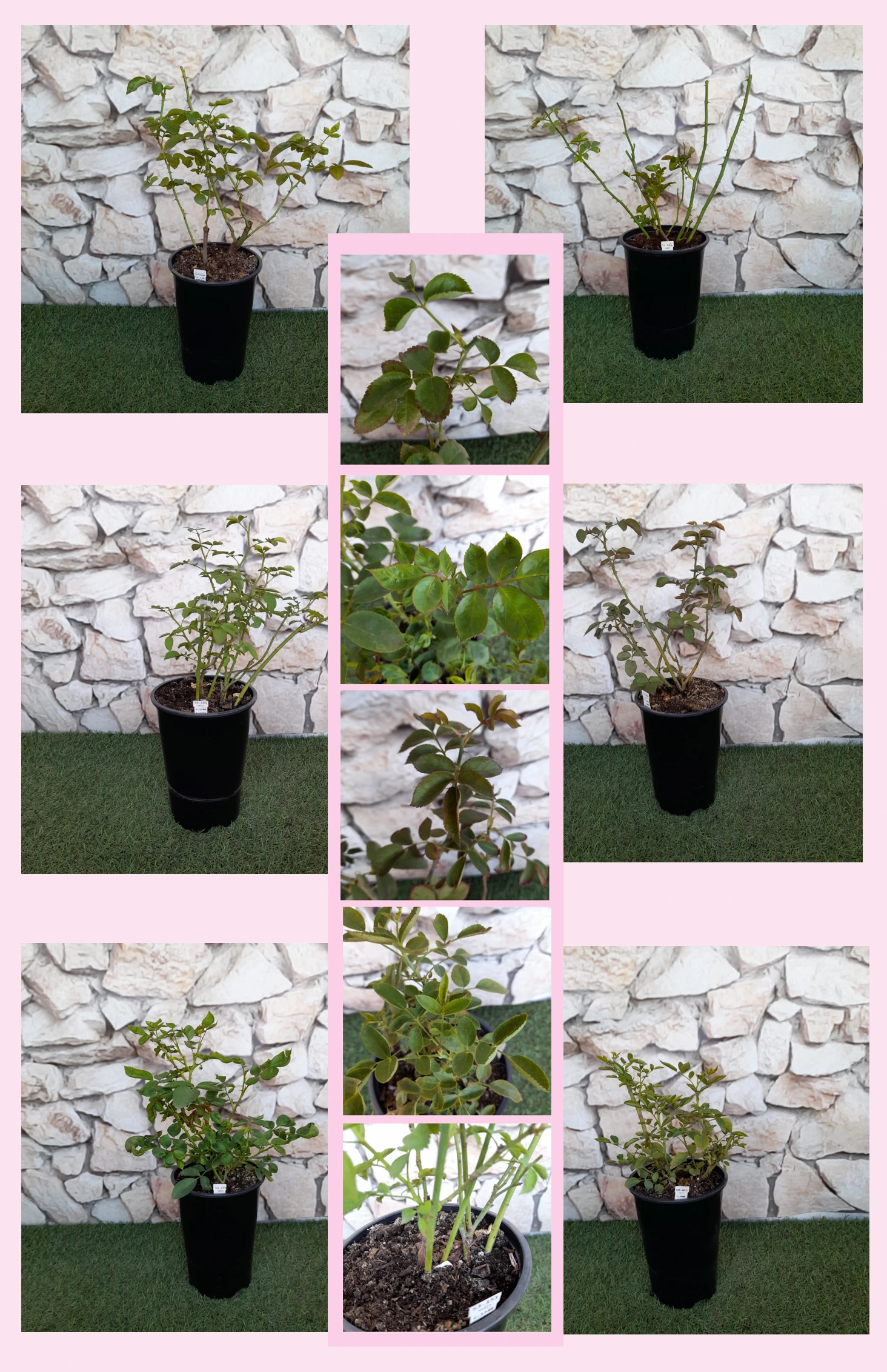
Dwarf, compact shrub typically 30–40 cm tall and 25–35 cm wide, with moderately thorny stems and dense, slightly glossy mid-green foliage, forming low mounds suitable for edging and containers. |
| Flower morphology |
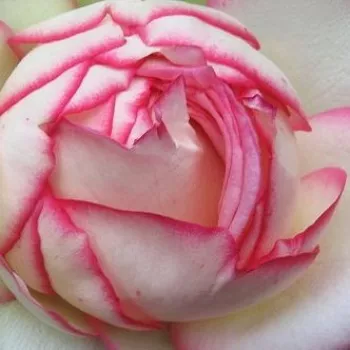
Large miniature blooms, about 2.75–3.95 inches across, fully double with over 40 petals, borne in clusters of three to five per stem; spherical, pompon-shaped flowers repeat freely through the season. |
| Colour data and phenology |
Cream to ivory base with a pink-edged rim and soft peach tones (RHS 187A outer, 187B inner); colour lightens to buttery cream and salmon-rosy pink as blooms mature, yet overall white-pink effect remains stable. |
| Fragrance and aroma |
Notable strong scent with a full, wine-like character that is clearly perceptible at close range; dense petal layout gives an old-fashioned fragrance impression despite the compact miniature flower size. |
| Hip characteristics |
Occasionally forms small spherical rose hips around 5–7 mm in diameter, coloured orange-red; hips are incidental decorative features rather than a dominant ornamental aspect of the cultivar. |
| Resistance and winter hardiness |
Hardy to approximately −21 to −18 °C (USDA zone 6b, RHS H7, Swedish zone 3); disease resistance is moderate to powdery mildew, black spot and rust, performing best with basic preventative care. |
| Horticultural recommendations |
Suited to sunny beds, edging and containers on terraces; prefers regular watering in hot periods, medium maintenance with occasional pest and disease control, and spacing from 25–45 cm depending on planting use. |
KERBEROS Mini - dwarf rose pharmaROSA® offers compact, long-lived colour and strong fragrance in a versatile own-root form that suits edging and containers, making it a thoughtful choice for quietly romantic family gardens.