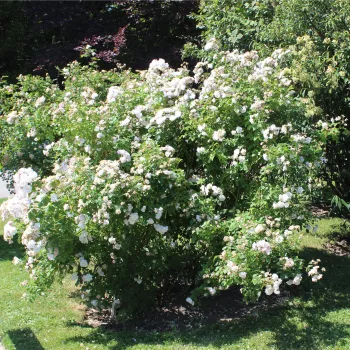
BLUSH NOISETTE – pink historic noisette rose
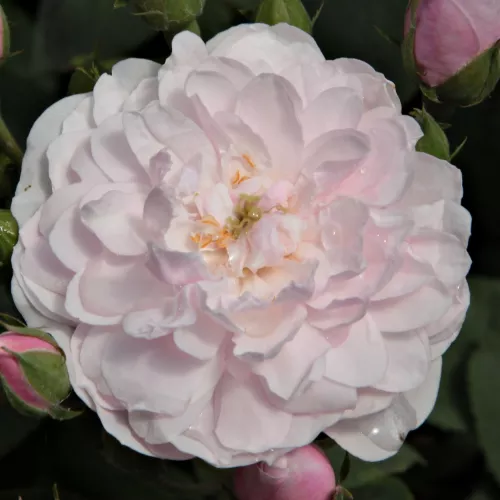
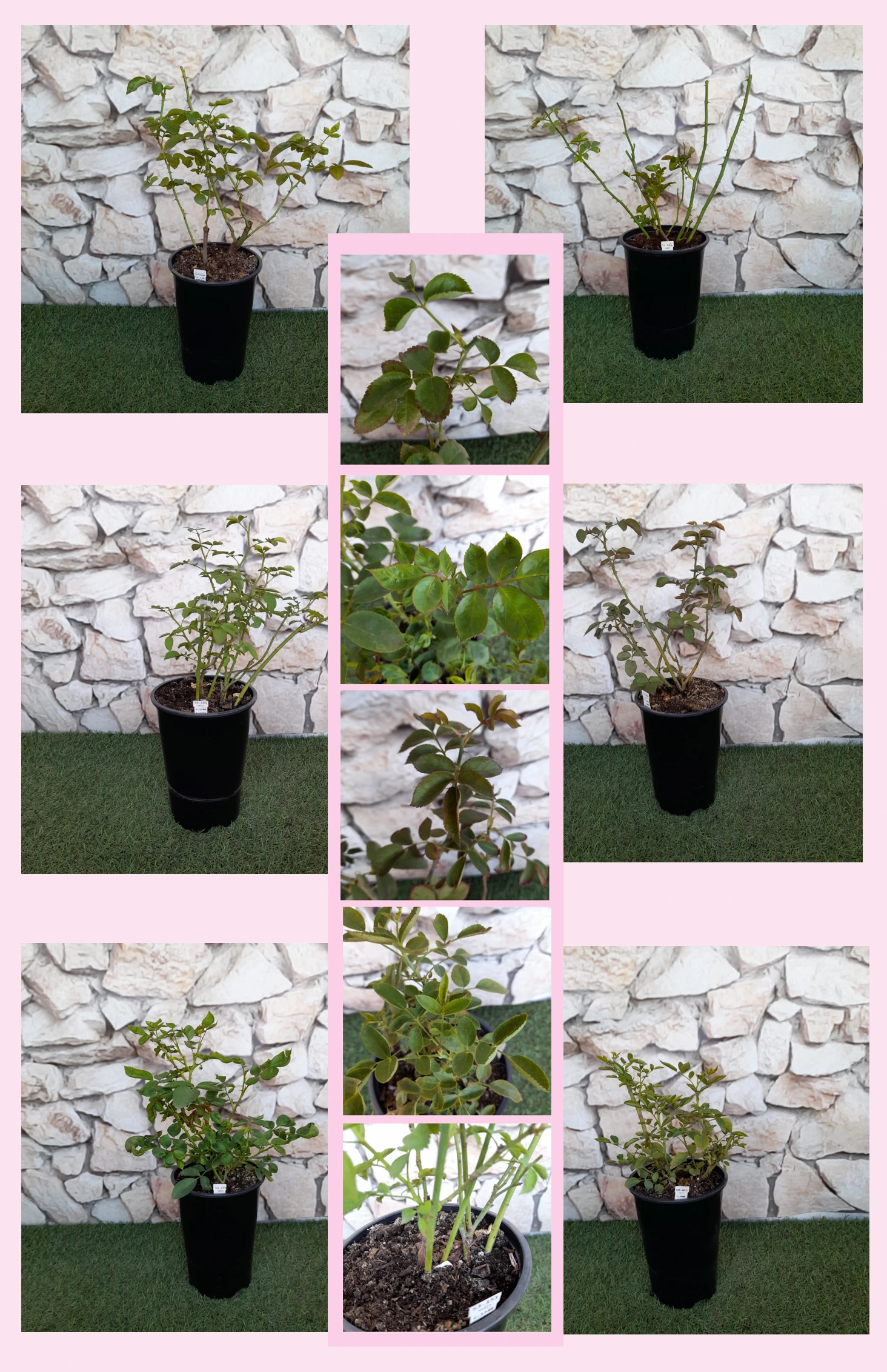
With its softly glowing clusters of porcelain-pink blooms and romantic fragrance, BLUSH NOISETTE evokes the cottage charm of an English arbour, creating a storybook backdrop for afternoon tea. This historic Noisette rose flowers in generous, repeat waves, forming a graceful upright shrub or relaxed climber that settles comfortably into small and medium family gardens. Its own-root character gives reassuring longevity, recovering well from mishaps and pruning, while the sparsely thorned stems stay relatively friendly for busy paths and play spaces. Once established, it shows good tolerance of summer warmth and moderate dry spells, making it easier to manage where summers are becoming hotter and rainfall more unpredictable. Ideal for training against walls, arches or pergolas over time, it offers a gentle development from a compact young plant to a fuller presence, building roots first, then stronger shoots, and by the third year achieving a stable ornamental picture that feels both traditional and welcome.
Usage options
| Target area | Reasoning |
|---|
| Small cottage-style front garden |
The compact footprint yet generous height lets BLUSH NOISETTE bring storybook cottage character to a modest front garden without overwhelming it. Repeating clusters of pale pink flowers soften railings, low fences and narrow beds, keeping the look friendly for neighbours and passers-by who enjoy a traditional feel, especially suited to the aspiring cottage-gardener. |
| Family seating area near a terrace |
The strong, honeyed, muscatel scent is ideal around seating and dining spots, where you can sit close and enjoy fragrant evening air. Clusters of small rosette blooms create a romantic backdrop for family meals without dominating the space, while the own-root base helps it remain a long-term, dependable feature for those wanting fragrance with minimal complexity, perfect for the relaxed homeowner. |
| Pergola or arched walkway |
As an upright, flexible shrub that can be trained, BLUSH NOISETTE suits arches and light pergolas, building height gradually and flowering along the stems in soft pastel waves. This lends itself to the feeling of strolling under a scented arbour in an English-style garden, with a gentle, natural look rather than rigid formality, appealing to the romantic rose-lover. |
| South- or west-facing wall training |
Boundaries that heat up in the sun can be transformed by this heat-tolerant historic rose, which copes well with warm aspects when given sensible watering in extended dry periods. Its repeat flowering and moderate vigour allow steady coverage over time without becoming unmanageable, suiting those who like a lived-in, traditional wall garden, ideal for the busy town-gardener. |
| Mixed cottage border with perennials |
The airy, cluster-flowered habit weaves easily among perennials and grasses, echoing classic cottage borders. Companion planting with daylilies, verbena or switchgrass highlights the powdery pink and soft white tones while offering seasonal structure. The rose’s medium maintenance level remains realistic for enthusiasts who want charm without constant tasks, fitting the creative border-planner. |
| Partially shaded side garden |
Suitability for partial shade makes BLUSH NOISETTE valuable where full sun is limited, such as between houses or along side paths. While flowering is best with several hours of light, it still performs reliably in brighter shade, offering a softer, more intimate effect in overlooked corners that might otherwise stay bare, reassuring for the practical space-maker. |
| Informal flowering hedge |
Planted at hedge spacing, its dense mid-green foliage and repeated flushes of pale pink clusters create a gentle, semi-transparent screen. The sparsely thorned stems make routine clipping and access easier than many old roses, while own-root growth helps the hedge recover and mature steadily, making it attractive for families wanting a friendly boundary, perfect for the safety-conscious parent. |
| Large container on patio or courtyard |
In a 40–50 litre container, BLUSH NOISETTE becomes a movable focal point for patios or courtyards, where good soil and watering can be controlled even on challenging ground that drains poorly or stays heavy after rain. The plant’s gradual development and repeat bloom reward patient care, offering a long-lived, scented accent, appealing to the time-pressed balcony-gardener. |
Styling ideas
- Arbour-Entrance – Train BLUSH NOISETTE over a simple wooden arch, underplanting with lavender and catmint to frame a cottage-style path – for lovers of storybook garden entrances.
- Courtyard-Classic – Grow it in a 40–50 litre terracotta pot with low box edging and thyme at the base, creating a scented focal point on stone or gravel – for urban homeowners seeking romance in tight spaces.
- Kitchen-Border – Pair its pale pink clusters with herbs, daylilies and old-style vegetables for a productive, pretty kitchen garden edge – for families who enjoy both cut flowers and home-grown produce.
- Pastel-Hedge – Plant in a loose row with switchgrass and soft pink verbena to soften boundaries while still letting light through – for those wanting a gentle, traditional screen rather than a solid fence.
- Evening-Nook – Place near a bench or terrace table where its strong scent and pale blooms catch the dusk light – for anyone cherishing quiet evening tea in a cosy corner.
Technical cultivar profile
| Parameter | Data |
|---|
| Name and registration |
BLUSH NOISETTE – historic Noisette shrub and climbing rose, offered as a darinaROSE ORIGINAL own-root plant; American Rose Society exhibition name: Blush Noisette; historic French introduction circa 1814–1817. |
| Origin and breeding |
Bred in the United States around 1814 by Philippe Noisette from ‘Champneys’ Pink Cluster’ × unknown seedling; introduced in France between 1814 and 1817, exact registration data not recorded. |
| Growth and structural characteristics |
Upright, flexible shrub or short climber reaching about 150–220 cm high and 120–190 cm wide, with dense, mid-green, slightly glossy foliage and sparsely thorned stems suitable for training and gentle pruning. |
| Flower morphology |
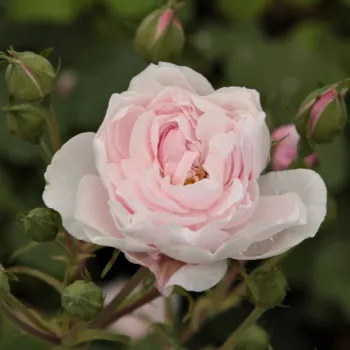
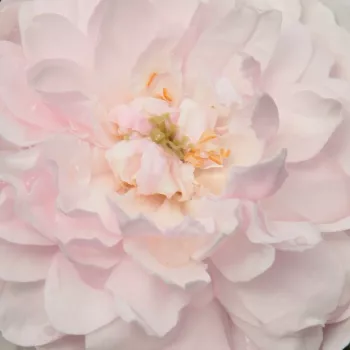
Small, double, rosette-shaped blooms (around 0.5–1.5 inch) borne in generous clusters, with 26–39 petals; repeat-flowering with an abundant second flush, self-cleaning at a medium rate on the trusses. |
| Colour data and phenology |
Pale, powdery pink flowers, porcelain-toned when opening, fading towards almost white with a delicate blush; colour retention moderate, giving a soft, antique palette well suited to historic or cottage designs. |
| Fragrance and aroma |
Strong, long-lasting scent with honeyed, muscatel notes that carry well around seating areas; decorative double form means flowers are mainly ornamental, offering only limited nectar and pollen access to insects. |
| Hip characteristics |
Occasionally produces small, spherical orange-red hips about 6–9 mm across; hips are scattered rather than profuse, adding a light touch of late-season interest without dominating the plant’s overall display. |
| Resistance and winter hardiness |
Hardy to around −21 to −18 °C (RHS H7; USDA zone 6b; Swedish zone 3); tolerates summer heat and moderate drought with watering in prolonged dry spells; disease resistance generally moderate under typical garden conditions. |
| Horticultural recommendations |
Suitable for beds, mixed borders, hedging, solitary planting, pergolas and wall training; plant at 90–165 cm depending on use; prefers well-drained soil, with medium maintenance and occasional pest or disease checks. |
BLUSH NOISETTE offers romantic repeat flowering, evocative fragrance and flexible training on a resilient own-root framework, making it a thoughtful long-term choice for those shaping a gentle, traditional family garden.