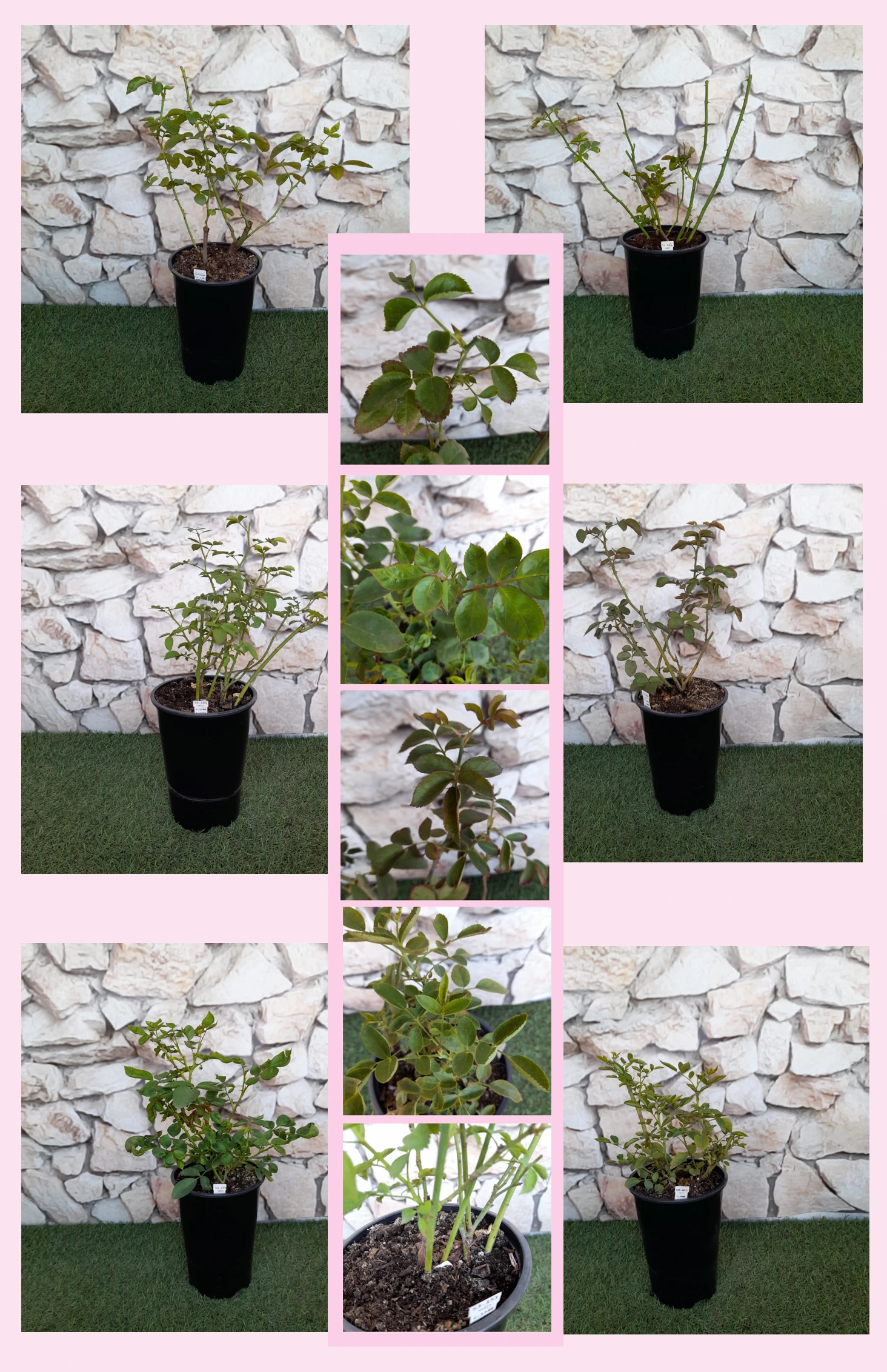
DAME DE MONTSOREAU – pink climbing rose – Warner
For a truly romantic focal point in a family garden, DAME DE MONTSOREAU offers elegant, mid-pink, cup-shaped clusters that soften to silvery pastel, creating a gently shifting backdrop to afternoon tea beneath an arbour. This large-flowered climber builds a stable framework over time, its own roots supporting long-term garden structure and reliable regrowth after pruning or winter. In a typical British setting, it copes well where borders can be breezy and damp, offering dependable coverage even when exposed to coastal showers and shifting winds. Plant once and let it mature: year one focuses on roots, year two on stronger shoots, and by year three you can expect full ornamental impact along fences, arches and pergolas. With medium-height glossy foliage, cup-shaped clusters, and a noticeable fresh, fruity fragrance, it suits cottage-style schemes, while its flexible canes are easy to train for tailored privacy and shade in smaller UK gardens.
Usage options
| Target area |
Reasoning |
| Arbour or pergola over a seating area |
DAME DE MONTSOREAU’s climbing habit and 225–375 cm height make it ideal for clothing an arbour, providing petal-rich overhead colour and scent. The medium, cup-shaped clusters repeat through the season, maintaining a romantic frame for family gatherings and quiet moments alike, enhancing the experience for the cottage-garden enthusiast. |
| Boundary fence in a family garden |
Its substantial spread, up to around 190 cm, allows you to weave flexible canes along fences to create a living screen that still feels light and airy. Year on year, the anchored own-root system supports consistent coverage and easy replacement of older stems, giving durable, storybook-style enclosure valued by the privacy-conscious homeowner. |
| Small town garden wall training |
This climber’s moderate vigour suits average UK garden walls, where it can be fan-trained without overwhelming the space. Glossy medium-green foliage and pastel-pink blooms soften brick or render, while own-root growth helps it re-sprout from the base after renovation pruning, reassuring the busy urban gardener. |
| Rose arch marking a path or entrance |
Medium-sized, cup-shaped blooms and manageable prickliness make it well suited to arches where you walk close by. Repeating flushes of pink create a welcoming entrance, while the climber’s structural framework provides a long-lived feature that can be tied in neatly, appealing to the family-plot planner. |
| Mixed cottage border with vertical accent |
Used at the back of a border, its height and clustering flowers give gentle vertical emphasis without the severity of a bare trellis. The shifting pink tones complement herbaceous planting, and own-root resilience means the plant can recover from occasional harder pruning, suiting the relaxed cottage gardener. |
| Near terraces or patios for fragrance |
With a noticeable fresh, fruity scent, this climber works beautifully where you sit or dine outdoors. Semi-double blooms held at eye and nose level invite you to enjoy the perfume on still evenings, adding a sensory layer to outdoor living prized by the romance-loving homeowner. |
| Containers and large planters with support |
Where ground planting is limited, it can be grown in very large containers of at least 40–50 litres with a sturdy obelisk or trellis. The own-root habit supports long-term framework renewal in confined soil, provided regular feeding and watering are given, rewarding the balcony-and-patio gardener. |
| Exposed, wind-prone cottage plots |
In UK gardens where wind and showers sweep across, its climbing framework can be tied securely to stout supports, giving reliable cover and colour even when storms pass through, an option appreciated by those gardening in breezy, rain-washed sites such as the coastal-plot owner. |
Styling ideas
- Arbour-dining nook – Train along a wooden arbour above a bistro set, underplant with evergreen candytuft and low herbs for a soft white-and-pink palette – ideal for those creating a charming outdoor tea corner.
- Fairytale fence run – Weave canes along a picket or post-and-rail fence, interplant with English bluebeard and perennial geraniums for hazy blues and pinks – perfect for families wanting a gentle, storybook boundary.
- Cottage entrance arch – Frame a path with a metal arch, pairing this climber with spring bulbs and lavender edging for year-round interest – suited to homeowners seeking a romantic welcome to the front door.
- Patio fragrance screen – Grow in a 50-litre container with trellis, combining with pots of scented herbs to enhance evening seating areas – good for busy urban gardeners wanting impact from limited space.
- Kitchen-garden backdrop – Place at the rear of vegetable beds, tying canes along wires to create a floral wall behind crops and berry bushes – appealing to those who like a productive plot with traditional cottage charm.
Technical cultivar profile
| Parameter |
Data |
| Name and registration |
Large-flowered climbing rose, registered as CHEwcorpink, marketed as Dame de Montsoreau Climbing rose CHEwcorpink; UK exhibition name Alfresco in the American Rose Society register. |
| Origin and breeding |
Bred by Christopher H. Warner in the United Kingdom from ‘Mary Sumner’ × ‘Summer Wine’; registered 2000 and introduced by Warner’s Roses in 2001 for garden and exhibition use. |
| Growth and structural characteristics |
Climbing habit reaching about 225–375 cm high and 110–190 cm spread, with moderately dense, glossy, medium-green foliage and moderate thorniness; suited to supports such as walls, arches and pergolas. |
| Flower morphology |
Semi-double clusters of medium-sized, cup-shaped blooms, typically 13–25 petals; remontant with abundant second flush, providing repeat displays across the main growing season on trained canes. |
| Colour data and phenology |
Mid-pink with delicate salmon undertone; buds pale pink deepening towards sepals, opening bright then fading to soft pastel with silvery edges, sometimes nearly white before petals drop; colour retention relatively weak. |
| Fragrance and aroma |
Fresh, fruity fragrance of medium strength, clearly noticeable at close quarters; semi-double form offers partial value for pollinators, though access to stamens is somewhat obscured and attraction is moderate. |
| Hip characteristics |
Produces spherical orange-red hips, moderately abundant, about 14–22 mm in diameter; decorative in late season and potentially useful for informal arrangements or wildlife-friendly garden features. |
| Resistance and winter hardiness |
Hardy to approximately −21 to −18 °C (RHS H7, Swedish zone 3, USDA 6b); however, very susceptible to powdery mildew, black spot and rust, requiring vigilant, regular plant protection in humid conditions. |
| Horticultural recommendations |
Best in sunny positions on well-prepared soil with sturdy support; spacing 140–240 cm depending on use. Own-root form aids long-term renewal; disease-susceptible so consistent preventative care is advised. |
DAME DE MONTSOREAU Climbing rose CHEwcorpink brings romantic pastel blooms, fresh fruity fragrance and long-lived structural coverage on its own roots; consider it where you want a graceful, enduring focal point in a traditional garden.