BOULE DE PARFUM – pink‑lilac shaded bedding floribunda rose – Kunieda
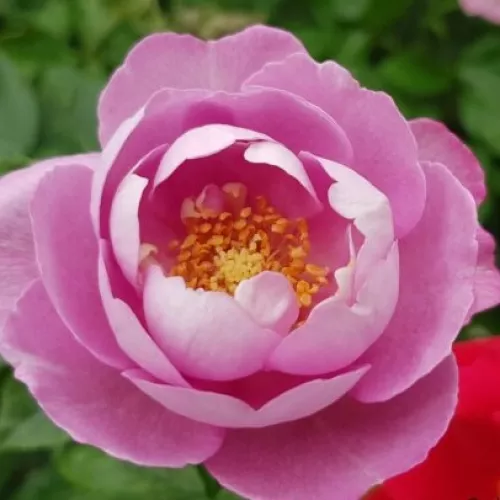
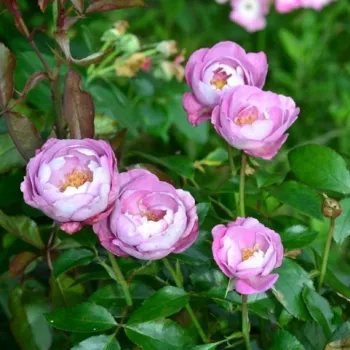
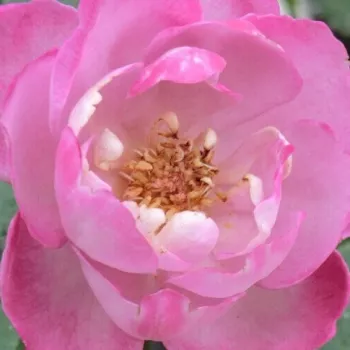
Set the scene for afternoon tea under a leafy arbour with BOULE DE PARFUM, a romantically scented floribunda that brings a powdery charm to family gardens. Its ball-shaped blooms shift through storybook shades of lilac, lavender and soft pink, carried on a bushy shrub that fits beautifully into cottage-style borders. On its own roots it builds long-term stability, quietly renewing itself and supporting a relaxed, low‑fuss routine. Thoughtfully chosen for gardens that face brisk coastal breezes and changeable weather, it combines moderate disease tolerance with dependable, remontant flowering. Plant once and enjoy the calm development from first-season establishment to a rounded, fullness of bloom, where each “scent ball” becomes a natural centrepiece for cosy, countryside-inspired spaces.
Usage options
| Target area |
Reasoning |
| Front-of-border cottage bedding |
The compact, bushy habit and 50–70 cm spread make this floribunda ideal for the front of mixed borders, where repeat clusters of mauve‑pink blooms lend a romantic cottage feel with minimal shaping. Perfect for the relaxed front‑of‑border planner homeowners |
| Low informal rose hedge |
Planted at 35–40 cm centres, plants knit into a softly rounded, perfumed line that defines paths or separates kitchen garden and lawn without appearing rigid, while own‑root stamina supports a long‑lived hedge framework. Best suited to boundary‑conscious yet informal families |
| Feature rose in small gardens |
At 85–115 cm high, a single shrub has enough presence to act as a focal point near seating or a front door, offering globular, strongly fragrant blooms without overpowering a modest urban plot or courtyard. An inviting option for space‑aware beginners |
| Mixed planting with perennials |
The soft pink‑lilac palette blends effortlessly with yarrow, coneflowers and airy fillers, creating a gentle English countryside mood; the moderate maintenance level suits mixed borders where roses are part of a broader, nature‑friendly scheme. Attractive for creatively minded cottage‑style gardeners |
| Cutting patch and scented posies |
Regular cutting of the medium, ball‑shaped clusters encourages further flowering while supplying well‑scented stems for small jugs indoors, integrating naturally into a kitchen‑garden cutting row without complex pruning schedules. Ideal for fragrance‑loving, time‑pressed urbanites |
| Roses for changeable, breezy sites |
The moderately thorny, well‑branched framework anchors the plant in exposed positions, coping steadily with damp, breezy spells where rain and wind combine to test less robust varieties in everyday family gardens. A sensible match for weather‑aware coastlanders |
| Large containers and patio planters |
Grown in a 40–50 litre or larger container with good drainage, it forms a dense, upright shrub whose repeated lilac flushes and powerful scent draw attention around patios, with own‑root resilience easing long‑term pot culture. Well suited to terrace and balcony‑focused residents |
| Long-term, low‑fuss rose investment |
Starting with root establishment, then building stronger shoots before reaching full ornamental value by the third year, this own‑root shrub gradually matures into a durable, medium‑maintenance feature that repays consistent but simple care. Recommended for forward‑planning, value‑minded buyers |
Styling ideas
- Tea‑table – Position a pair either side of a bench or arbour, underplant with lavender and catmint to echo the lilac tones, creating a soft, scented tea corner – for romance‑seeking family sitters
- Kitchen‑row – Line a path to the veg plot with a loose hedge, threading in herbs such as chives and sage for a practical yet storybook kitchen‑garden feel – for home‑grown produce enthusiasts
- Pastel‑border – Combine with pale echinacea, soft grasses and white foxgloves so the mauve‑pink roses read as gentle highlights rather than bold splashes – for lovers of restrained cottage schemes
- Patio‑scene – Plant in a large clay pot of at least 40–50 litres with trailing thyme and lobelia spilling over the rim to soften edges – for balcony and courtyard dwellers
- Evening‑perfume – Group three shrubs near a terrace, adding pale yarrow and silvery foliage so the strong scent and frosted lilac hues stand out at dusk – for those who linger outdoors after work
Technical cultivar profile
| Property |
Data |
| Name and registration |
Boule de Parfum bedding floribunda rose, shrub‑type floribunda for flowerbeds; trade names include Boule de Parfum, Bedding rose and Kunieda, supplied here as an own‑root container rose. |
| Origin and breeding |
Bred by Kunieda Keiji of Rose Farm Keiji (Wabara, Japan), introduced around 2010 in Japan; exact parentage is unknown, selected primarily for fragrance and garden performance. |
| Growth and structural characteristics |
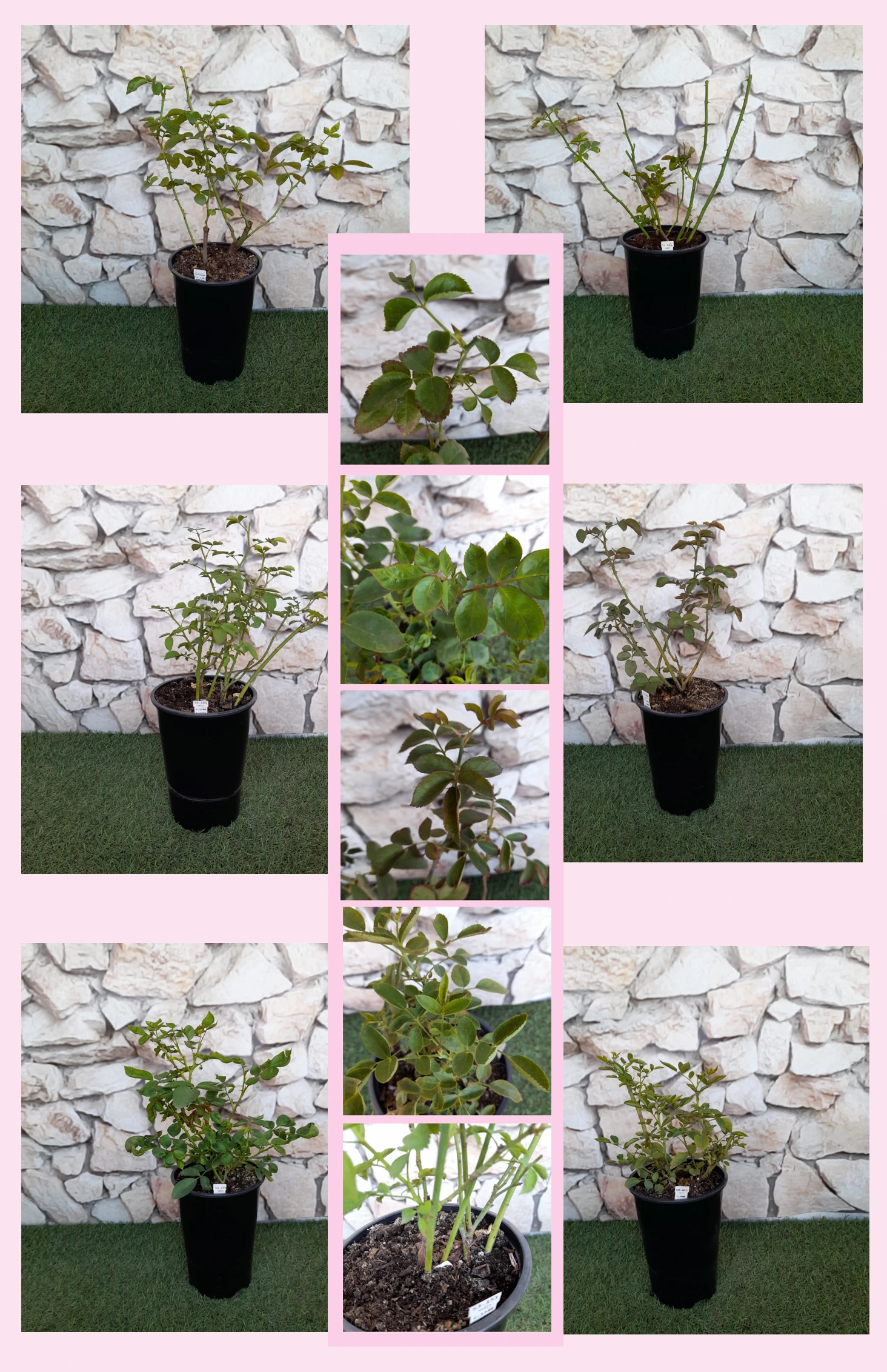
Bushy shrub rose with dense, slightly glossy mid‑green foliage, typically 85–115 cm tall and 50–70 cm wide, moderately thorny shoots forming a rounded, well‑filled framework over time. |
| Flower morphology |
Medium‑sized, semi‑double, ball to pompon blooms in clusters; around 13–25 petals, flowering repeatedly with a particularly generous second flush, suitable for both bedding and cutting. |
| Colour data and phenology |
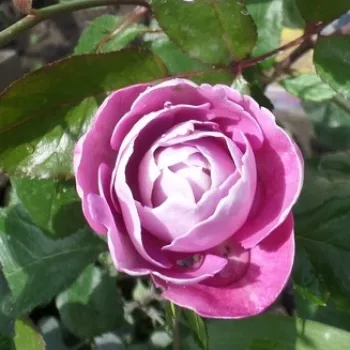
Mauve‑pink with white sheen and golden centre; buds medium purple, opening pale lavender, then fading to silvery, frosted lilac; ARS code LPu, RHS 76C–76D, colour retention moderate through the season. |
| Fragrance and aroma |
Pronounced, long‑lasting scent with a sweet, powdery character; flowers are notably fragrant in warm, still conditions, making the variety attractive for seating areas and small cut‑flower arrangements. |
| Hip characteristics |
Occasional small hips set after flowering; spherical red fruits about 8–12 mm across, adding modest late‑season interest without significantly affecting the shrub’s overall flowering display. |
| Resistance and winter hardiness |
Hardy to approximately −21 to −18 °C (RHS H7, Swedish zone 3, USDA 6b); disease resistance moderate to black spot, powdery mildew and rust under typical garden conditions with basic care. |
| Horticultural recommendations |
Plant at 35–65 cm spacing depending on hedge or specimen use; prefers well‑drained soil, benefits from mulch and balanced feeding; maintenance medium, with occasional plant protection in high disease pressure areas. |
BOULE DE PARFUM offers intensely fragrant, colour‑shifting lilac blooms on a compact, bushy shrub whose own‑root vigour underpins long, steady garden performance; a thoughtful choice if you favour enduring, low‑fuss roses.