CHRISTCHURCH™ – orange bedding floribunda rose - Fryer
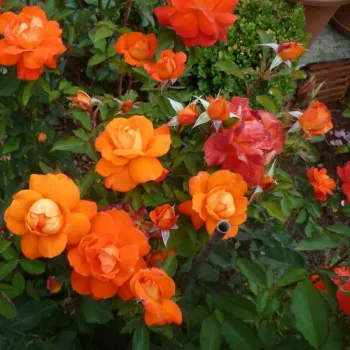
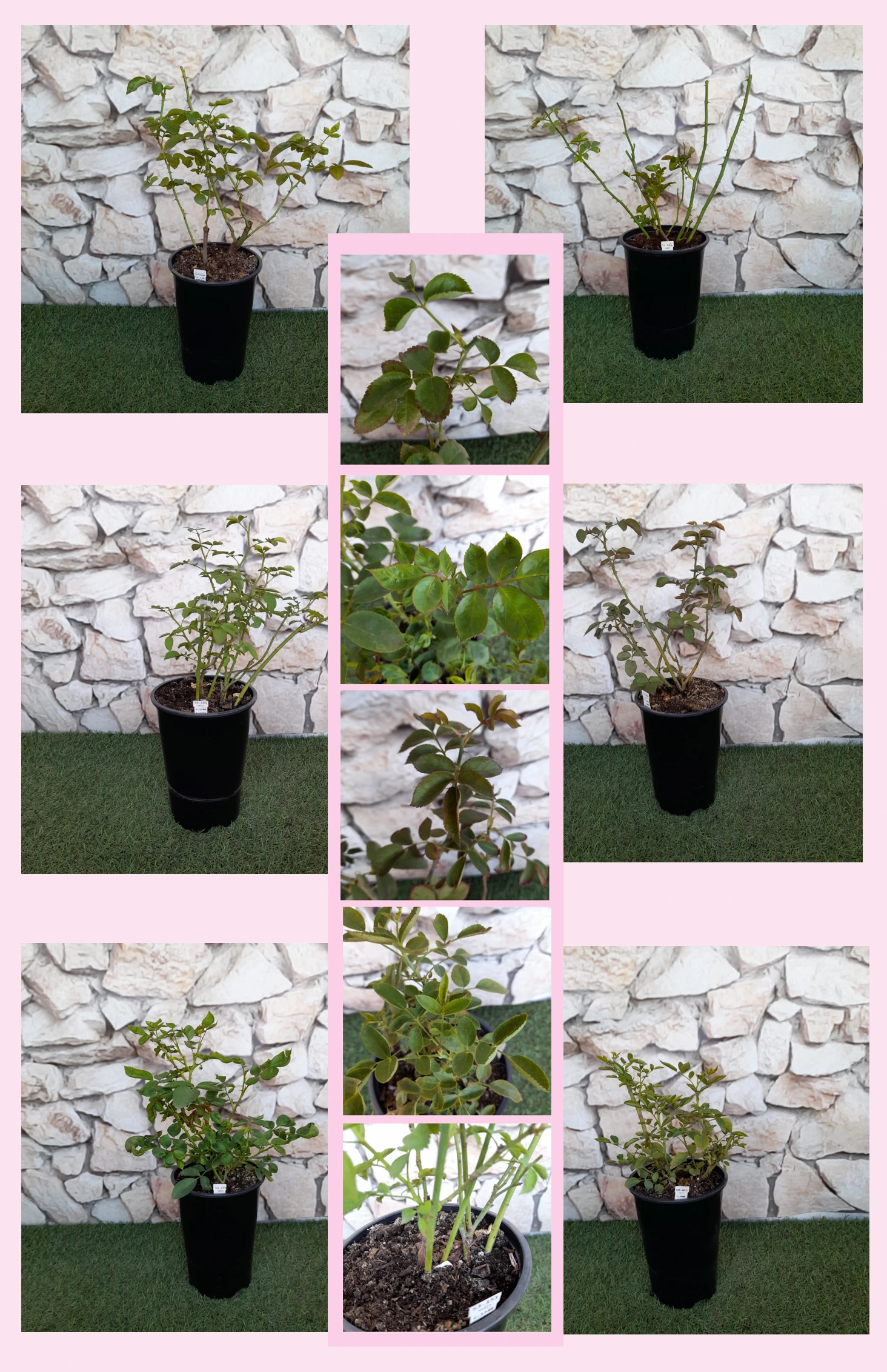
Bring a touch of storybook romance to a small family garden with CHRISTCHURCH™, an easy-going floribunda bred for reliable colour and long garden life rather than fussy show-bench care. Its compact, upright habit keeps borders looking tidy, while clusters of vibrant orange blooms repeat generously through summer, even in typical British mixed weather. As an own-root rose, it matures into a durable, well-anchored shrub that can regenerate from the base and hold its shape for many years with only straightforward annual pruning. Ideal for relaxed cottage-style planting beside lawns, paths or a kitchen garden, it performs well where soils are heavier, especially if you improve drainage or use modest raised beds to cope with clay. In larger containers of at least 40–50 litres it forms a bushy, low-maintenance feature, perfect for an urban terrace or front step. Over time, you will see a natural progression from root establishment in the first year to stronger top growth in the second and, by the third, a full display of stable ornamental value that fits effortlessly into everyday family life and late-afternoon garden tea.
Usage options
| Target area | Reasoning |
|---|
| Front-of-border in a family cottage garden |
The bushy, upright form stays compact, creating a neat, low front row that works well in average-sized family gardens without swamping nearby plants or paths. Its natural habit needs only light annual pruning to keep a defined outline, suiting those who want structure without complex shaping, particularly busy homeowners. |
| Colour-focused mixed flowerbed |
Clusters of radiant orange blooms appear repeatedly through the season, giving strong visual impact from a relatively small footprint. Because the colour holds well in sun and hardly fades, you can rely on a vivid focal point that pairs easily with pastels or cool blues for a “girly” countryside look, ideal for lovers-of-bright-borders. |
| Small hedge or edging strip |
Recommended planting distances make it simple to set out an informal low hedge along paths or around a kitchen garden. Once settled, the own-root shrubs knit together steadily, forming a long-lived line that can be trimmed with straightforward annual pruning, appealing to practical-gardeners. |
| Large container on patio or terrace |
In a 40–50 litre or larger container, CHRISTCHURCH™ builds a sturdy, upright framework with dense foliage that frames seating areas without dominating them. Reliable repeat flowering makes it a charming companion for afternoon tea outdoors, especially valued by urban-balcony-owners. |
| Low-maintenance family plot with simple care |
Although spent clusters benefit from deadheading, the main routine is a straightforward winter or early-spring prune and regular feeding. Being on its own roots, the plant can regenerate from the base after weather damage or less-than-perfect care, reassuring beginner-gardeners. |
| Traditional cottage border on heavier soil |
This rose copes well with typical British conditions where soils may be heavier, especially if planted in improved soil or low raised beds to ease drainage on wetter clay. Its stable, long-lived root system helps anchor the plant and maintain performance, which suits clay-soil-gardeners. |
| Lightly shaded seating or lawn edge |
Suitable for partial shade, it will still produce good clusters of blooms where there is sun for part of the day, such as the edge of a lawn or near a pergola. This flexibility allows you to extend planting into spots that are not in full sun all day, useful for small-garden-owners. |
| Long-term feature with lasting garden value |
Awards such as the RHS Award of Garden Merit and its own-root form combine to give confidence in both performance and longevity. With roots developing strongly in the first year, more shoots and flowers in the second, and full ornamental effect by the third, it particularly rewards long-view-gardeners. |
Styling ideas
- Cottage-Ribbon – Plant a soft ribbon of CHRISTCHURCH™ along a path with dwarf iris and creeping phlox weaving at the feet for a romantic, storybook entrance – ideal for traditional front gardens and nostalgic country-style fans.
- Teacup-Terrace – Use a single shrub in a 50-litre terracotta pot beside a bistro table, underplanted with trailing thyme to enjoy colour and scent during afternoon tea – perfect for patio-focused city dwellers.
- Kitchen-Companion – Edge a kitchen garden bed with a short hedge of these roses, backed by herbs and runner beans, for a cheerful orange frame that’s easy to keep in shape – suited to home cooks who love productive plots.
- Soft-Sunset – Combine CHRISTCHURCH™ with pale pink roses, gypsophila and silvery foliage in a mixed border to create a gentle sunset palette that glows on overcast days – appealing to romantic border planners.
- Neighbourly-Showpiece – Mass-plant a small group near the front boundary so repeat orange clusters give a long-season display with simple pruning and feeding – ideal for homeowners wanting kerb appeal without fuss.
Technical cultivar profile
| Property | Data |
|---|
| Name and registration |
Floribunda bedding rose; Registered as FRYleyeca, marketed as CHRISTCHURCH™ and also known in exhibitions as Super Trouper within the floribunda group. |
| Origin and breeding |
Bred by Gareth Fryer in the United Kingdom, with breeding completed in 2008; introduced commercially in 2009 via Matthews Nurseries Ltd., with parentage not publicly recorded. |
| Awards and recognition |
Holds major UK awards including Gold Standard (2009), Novelty Rose of the Year (2010), Glasgow Lord Provost’s Cup (2011) and RHS Award of Garden Merit (2012) for garden performance. |
| Growth and structural characteristics |
Bushy, upright plant reaching about 70–100 cm high and 65–95 cm wide, with dense, glossy dark green foliage and moderate prickliness, forming a compact, well-filled bedding or border shrub. |
| Flower morphology |
Semi-double blooms with 13–25 petals, medium-sized and cupped with a pronounced central rise, borne in clustered inflorescences; remontant habit ensures an abundant second flush of flowers. |
| Colour data and phenology |
Vibrant orange with subtle reddish undertone; ARS code OB, RHS 34A outer and 33A inner; colour holds strongly in sun, slowly softening to a yellowish-peach tone toward petal edges as blooms age. |
| Fragrance and aroma |
Offers a classic rose character fragrance that is very light and barely noticeable in the garden, allowing it to be enjoyed mainly for colour effect rather than for strong scent. |
| Hip characteristics |
Produces moderately abundant, small spherical hips around 8–12 mm across, coloured orange-red; decorative in autumn but not usually a dominant ornamental feature in typical plantings. |
| Resistance and winter hardiness |
Rated to around −21 to −18 °C (RHS H7, Swedish zone 3, USDA 6b); shows moderate resistance to black spot, powdery mildew and rust, with good performance when standard care is provided. |
| Horticultural recommendations |
Suited to beds, edging, hedging, containers and urban green spaces; medium maintenance with regular pruning, feeding and watering in dry spells; partial shade tolerant and adaptable planting distances. |
CHRISTCHURCH™ offers compact structure, vivid long-lasting orange clusters and flexible planting options, while its own-root form supports long-term resilience and regrowth, making it a thoughtful choice for enduring cottage-style gardens.