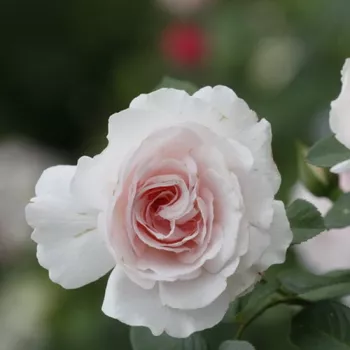
CONSTANCE FINN – light pink bedding floribunda rose - Harkness
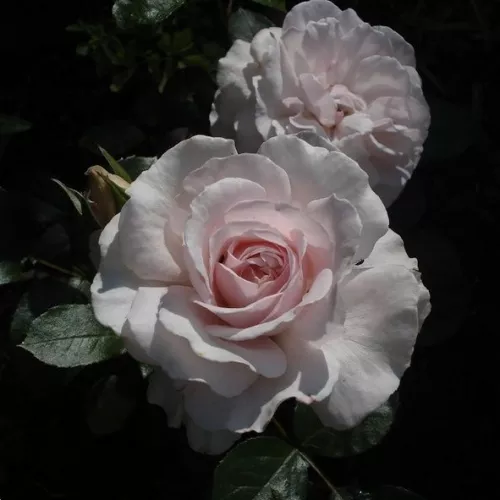
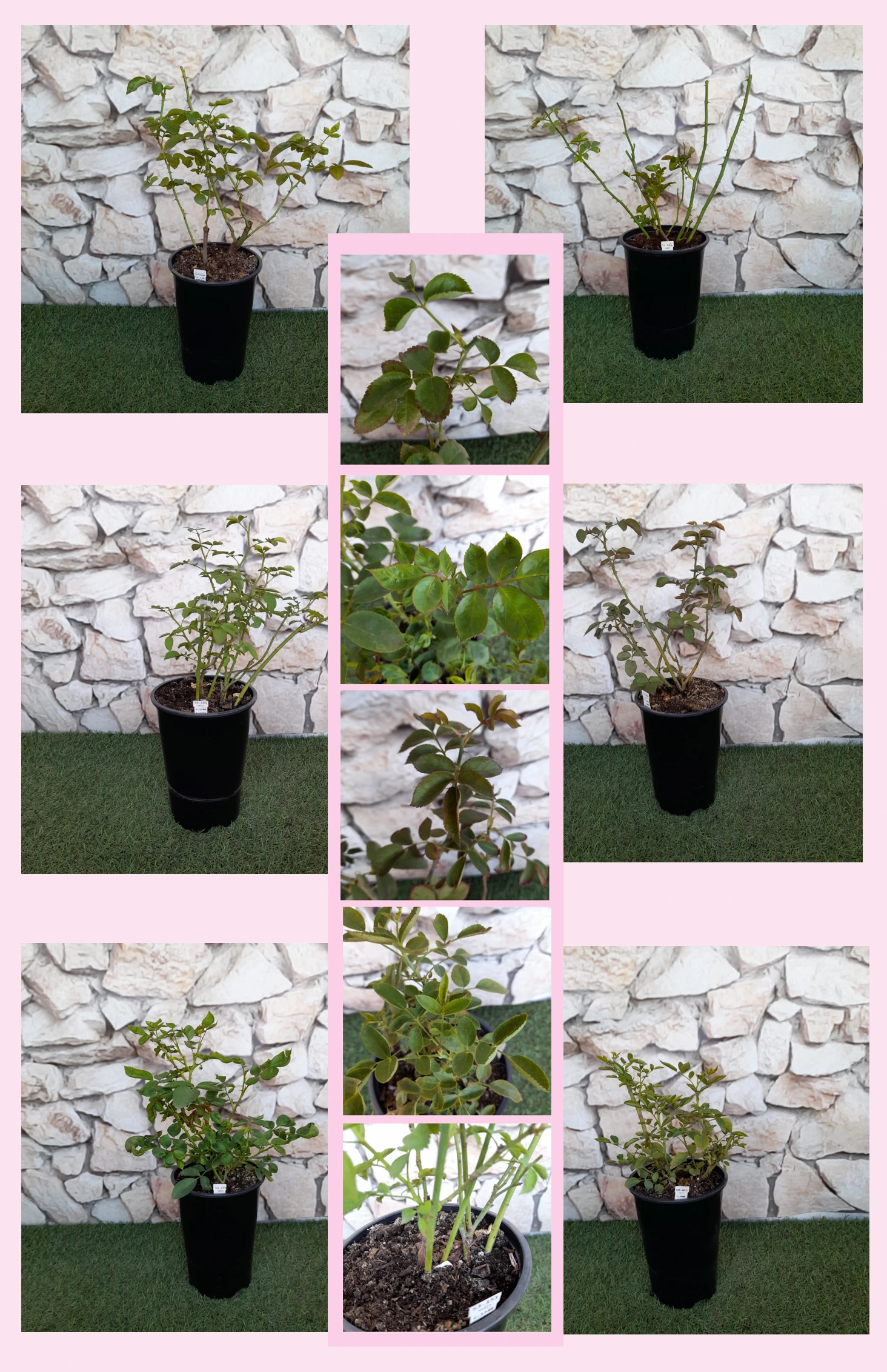
Romantic by nature, ‘Constance Finn’ brings soft, shell‑pink blooms and a rich, old‑rose perfume into everyday family gardens, creating an inviting cottage atmosphere without demanding complex care routines on your part. Its upright, medium‑tall habit suits narrow borders and small plots, while own‑root production supports dependable regrowth, stable shape and a pleasingly long ornamental life. Designed to cope with typical British sites – including wetter, wind‑touched gardens where you appreciate firmer anchoring and reliable performance – it settles gradually, building roots first, then stronger shoots, before reaching its full storybook presence in the third season. Reblooming generously through summer, it pairs effortlessly with traditional perennials and kitchen‑garden planting, turning ordinary lawn edges and paths into a quietly feminine, storybook, cottage setting that feels both cosy and timeless. Medium care needs but reliable habit make it a reassuring choice for beginners and busy gardeners alike.
Usage options
| Target area |
Reasoning |
| Front of mixed cottage border |
The upright, 95–130 cm habit and 55–85 cm spread fit neatly at the front or mid‑front of a cottage border, giving layers of soft light‑pink, very double flowers from early summer. Regular but uncomplicated dead‑heading keeps it tidy and prolongs flowering, while own‑root growth helps the plant recover if stems are pruned harder than planned, reassuring the hobby gardener. |
| Low informal hedge along paths or lawn |
Planting at 40–50 cm intervals creates a low, fragrant hedge that gently defines paths, terraces or the edge of a kitchen garden. Flowers repeat well, so the hedge rarely looks bare, and the dark, glossy foliage forms a consistent backdrop. Being on its own roots, the line ages evenly and is easier to rejuvenate by staged pruning, suiting the family buyer. |
| Near seating for fragrance and afternoon tea corners |
With a strong, old‑rose fragrance and large, cupped blooms held at nose height, this cultivar is ideal beside a bench, arbour or patio table used for afternoon tea. The perfume intensifies in still, humid air, bringing a classic garden‑rose feel. Own‑root vigour helps it reshoot if a harsh winter or pruning mistake occurs, appealing to the romantic homeowner. |
| Small urban garden or narrow side border |
The controlled, upright form makes good use of tight spaces where every square metre counts. A single plant at roughly 75 cm from neighbours fills its allotted area without overwhelming other shrubs. Medium maintenance needs suit those who can manage occasional spraying and pruning, but want a robust structure that supports the busy city gardener. |
| Traditional rose bed or formal bedding scheme |
As a floribunda bedding rose bred for mass effect, it performs well in dedicated rose beds with 4–5 plants per square metre. The pastel shell‑pink flowers read clearly even from a distance and fade elegantly rather than shattering messily. Own‑root plants build a stable framework over years, making them a sound long‑term choice for the traditionalist. |
| Raised beds on heavier or wetter soils |
On heavier clay or wetter ground, planting into raised beds or improved soil helps drainage while the dense foliage and firm framework cope well with breezier, rain‑touched conditions that are common in many British plots. Moderate disease resistance pairs with straightforward care, making it manageable for the cautious beginner. |
| Large containers on terraces and balconies |
In a container of at least 40–50 litres, with reliable watering, it forms a fragrant, pastel focal point close to doors or seating. Own‑root growth means the plant is more forgiving if the top is damaged by wind or winter, as fresh shoots arise from the base, extending its useful life for the balcony gardener. |
| Rural kitchen garden and productive plots |
The soft, light‑pink colour and gentle, old‑rose scent weave easily among herbs, aubrieta and cottage perennials without clashing with vegetables or fruit bushes. The medium maintenance level suits gardeners already tending edibles, while own‑root durability makes ‘Constance Finn’ a thoughtful, long‑term accent for the country cook. |
Styling ideas
- COTTAGE RIBBON BORDER – Run a loose line of ‘Constance Finn’ along a path, underplanting with feverfew and aubrieta to echo the pastel petals – ideal for lovers of soft, feminine cottage gardens.
- PASTEL TEA CORNER – Place one or two plants near a small seating area, combining with scented herbs and a light climber to frame an afternoon tea spot – perfect for homeowners seeking a romantic retreat.
- FORMAL ROSE PANEL – Create a rectangular rose bed with even spacing, edging with low box or lavender to contrast the delicate blooms – suited to gardeners who like order with a classic English feel.
- KITCHEN-GARDEN ACCENT – Tuck plants between berry bushes and perennial herbs so the pale flowers soften productive rows – appealing to rural gardeners who enjoy a homely, storybook plot.
- CONTAINER SHOWPIECE – Grow a single plant in a 50‑litre terracotta pot beside steps or a doorway, where perfume and colour greet you daily – for busy urban owners wanting maximum charm in minimum space.
Technical cultivar profile
| Property |
Data |
| Name and registration |
Floribunda bedding rose, registered as HAReden and marketed as Constance Finn; ARS exhibition name Constance Finn; part of the Bedding rose collection for garden display. |
| Origin and breeding |
Bred by Robert Harkness, R. Harkness & Co. Ltd., United Kingdom; introduced and registered in 1997, with commercial distribution initially handled by Harkness Roses. |
| Awards and recognition |
Holder of the R. J. Frizzell Award for Most Fragrant Rose, Belfast 1999, and the DGAA Homelife Centenary Rose award, confirming outstanding scent and ornamental reliability. |
| Growth and structural characteristics |
Medium‑tall, upright shrub reaching about 95–130 cm high and 55–85 cm wide, moderately thorny, with dense, dark green, glossy foliage forming a compact, well‑filled framework. |
| Flower morphology |
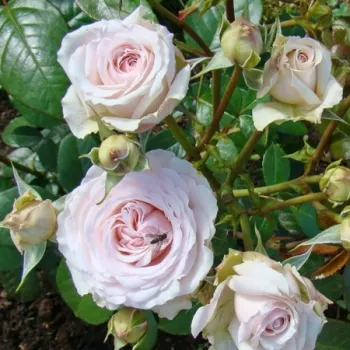
Large, cupped blooms 7–10 cm across, very double with over 40 petals; flowers mainly solitary on stems, reblooming strongly with a particularly abundant second flush in season. |
| Colour data and phenology |
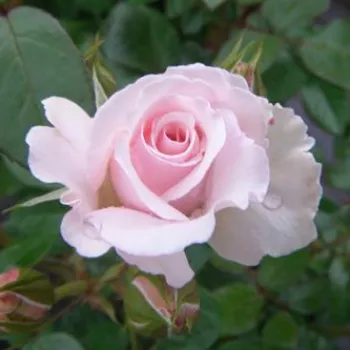
Delicate shell‑pink blooms, ARS code lp, RHS 65C outer and 65D inner; open pastel pink then fade to very pale pink with almost white outer petals and a cool, pearly, lilac‑tinted veil. |
| Fragrance and aroma |
Strong, distinctive perfume with a rich old‑rose character; scent is noticeable at close range around seating and paths, enhancing its value for sensory, family and cottage‑style gardens. |
| Hip characteristics |
Hip set usually limited by the very double flowers; where formed, small spherical orange‑red hips 8–12 mm across may appear, adding occasional, subtle late‑season interest. |
| Resistance and winter hardiness |
Rated to around −21 to −18 °C (USDA 6b, RHS H7); black spot resistant with moderate tolerance to powdery mildew and rust, responding well to occasional, standard garden treatments. |
| Horticultural recommendations |
Plant 40–75 cm apart depending on use, at 4–5 plants per m² for bedding; suit average maintenance with pruning, feeding and periodic spraying to maintain health and abundant flowering. |
Constance Finn offers strongly fragrant, shell‑pink double blooms on a compact, upright shrub whose own‑root form supports long, dependable garden life; consider it if you favour romantic cottage charm with manageable care.