Coral™ Pixie® – dark red ground-cover rose
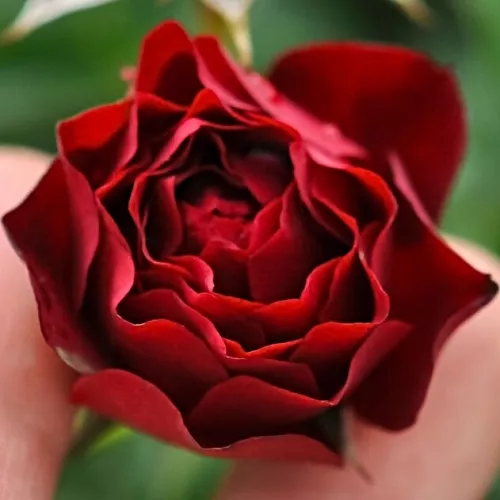
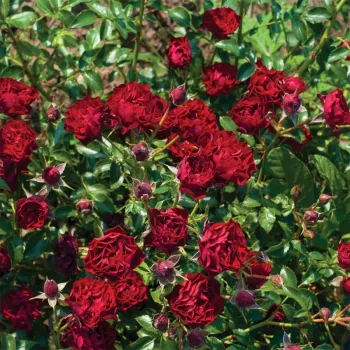
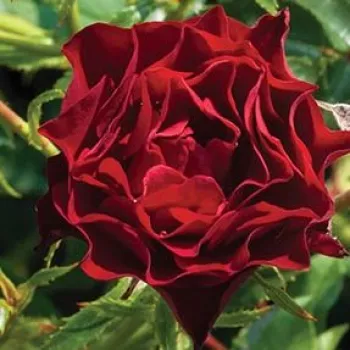
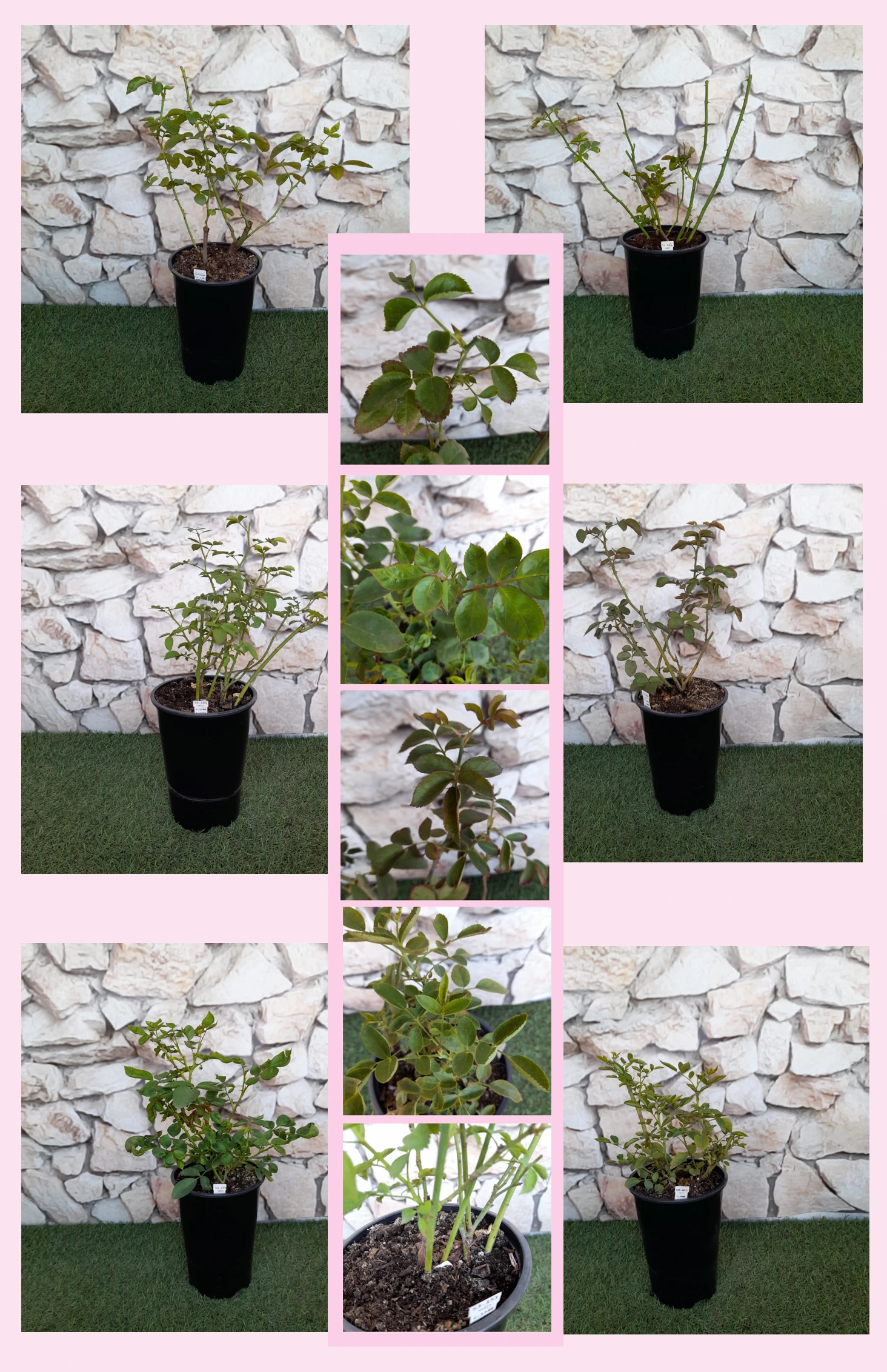
Under Coral™ Pixie® you can imagine a low, velvety carpet of deep coral-red blooms, giving a softly romantic feel to paths, borders and the edges of lawns. Its compact, spreading habit quickly fills gaps, helping you tame awkward corners and slopes while keeping a classic cottage look. Bred on its own roots for long-term stability, this rose forms a durable framework that regenerates well after pruning or winter weather, so it keeps its place in your garden picture for years. In many British gardens it copes reliably with damp spells and humidity, where fungal diseases often trouble more sensitive roses. Over time you will notice a steady carpet of dark green leaves that sets off the coral-red flowers from early summer onwards, with repeat flushes that feel almost continuous. Plant in the ground or in a large 40–50 litre container for easy-going structure on patios and terraces. Year by year – roots in the first, more shoots in the second, and full ornamental impact by the third – Coral™ Pixie® settles in as a low-maintenance, storybook border that suits busy family life.
Usage options
| Target area |
Reasoning |
| Front-of-border cottage edging |
This rose’s low, spreading habit forms a neat edging that softens paving and lawn margins without blocking the view of taller perennials or vegetables behind. Regular repeat flowering keeps colour running along the border with only light annual pruning and deadheading. Ideal for the time-pressed cottage gardener who wants continuity of bloom with minimal fuss for the busy family owner. |
| Ground-cover on banks and awkward slopes |
The dense foliage and lateral spread help stabilise small slopes and tricky patches where mowing is awkward, creating a flowering ground-cover that suppresses weeds once established. Its hardy framework tolerates typical UK winters, so you can rely on long-term coverage. Especially reassuring in exposed gardens where wet, breezy spells and higher fungal pressure are commonplace for the coastal homeowner. |
| Low-maintenance family play garden beds |
With naturally compact height and moderate prickliness, this variety suits front-of-bed planting near paths and play areas where you prefer roses to remain low and tidy. Its good disease resistance reduces the need for spraying, which fits well with informal, family-friendly gardening. A sound choice when you want structure and colour but have limited time for the beginner gardener. |
| Patio and terrace containers (40–50 litre minimum) |
In a sufficiently large container, its spreading form drapes attractively over the rim, giving a long season of colour close to seating areas. The small semi-double flowers present well at eye and table height, and own-root vigour helps the plant recover if containers dry out briefly in summer. Best for those turning hard landscaping into a softer, romantic setting for the urban balcony owner. |
| Romantic kitchen-garden paths and potager edges |
The coral-red, cup-shaped flowers bring a traditional touch to vegetable plots and herb beds, weaving ornamental charm between rows of crops. Its repeat-blooming nature means there is colour from early harvests through to autumn, while dark foliage frames both vegetables and companion flowers. Perfect if you enjoy a productive yet decorative plot as a rural kitchen-gardener. |
| Low hedging along drives and front paths |
Planted at the recommended spacing, Coral™ Pixie® knits into a low, informal hedge that guides visitors towards the front door without appearing formal or overclipped. The uniform height and generous branching make it easy to manage with one light trim a year, while the own-root base supports a long-lived line of plants. Suits householders seeking tidy structure with a soft look as the traditional front-garden owner. |
| Colour carpet beneath taller shrubs and roses |
This variety works as a living mulch under larger shrubs or standard roses, where its coral-red clusters brighten the lower storey that is often bare. Its good disease resistance allows closer planting under canopies where air movement is reduced, and it copes well in typical British humidity near hedges and fences. Best used by gardeners building layered planting as a romantic border enthusiast. |
| Wildlife-friendly decorative corner |
The semi-double flowers offer moderate access to pollen, while the small orange-red hips add late-season interest and bird appeal after flowering slows. Over the years, the robust own-root structure helps maintain this wildlife nook without frequent replanting or intensive care. A thoughtful addition for nature-aware yet time-limited cottage-style gardeners. |
Styling ideas
- Cottage-Rimmed Path – Line a garden path with Coral™ Pixie® and intersperse with low lavender for a billowing, scented edging that flowers for months – ideal for lovers of romantic, storybook approaches.
- Coral Carpet Bed – Mass-plant this rose in a square or hexagonal grid to create a dense coral-red carpet, punctuated with taller white salvias for contrast – suited to homeowners wanting strong structure with little upkeep.
- Patio Tea Corner – Place Coral™ Pixie® in a 50 litre terracotta pot beside a bistro set, underplanted with trailing thyme so you sip tea among blooms and herbs – perfect for small-plot urban gardeners.
- Kitchen-Garden Weave – Thread short rows of this rose between raised vegetable beds, pairing with Verbena bonariensis for airy height above the coral flowers – for rural kitchen-garden keepers who like ornamental harvest spaces.
- Soft Driveway Edge – Use a continuous line of Coral™ Pixie® along the drive, alternating with clumps of ornamental grasses to break hard edges and add movement – ideal for families seeking a welcoming, easy-care front garden.
Technical cultivar profile
| Parameter |
Data |
| Name and registration |
Ground-cover shrub rose from the Pixie® collection; registered as BOZcorapix, marketed as Coral™ Pixie® BOZcorapix for garden use and suitable for consumer own-root container production. |
| Origin and breeding |
Bred by Biljana Božanić Tanjga for Pheno Geno Roses, with EU plant variety protection filed in 2018; introduced after 2018 via Pheno Geno Roses B.V. for the European garden market. |
| Growth and structural characteristics |
Low, spreading habit 35–60 cm high and 40–75 cm wide, with dense, dark green, slightly glossy foliage and moderate prickliness; forms a compact framework well suited to borders, containers and mass planting. |
| Flower morphology |
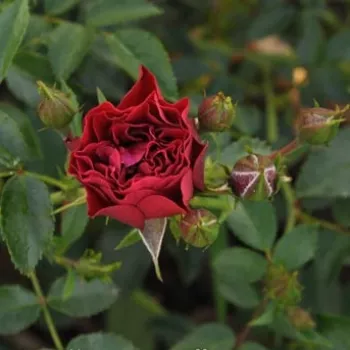
Semi-double, cup-shaped flowers with lightly ruffled edges, 13–25 petals per bloom, produced in clusters of small flowers; strongly remontant with abundant repeat flushes through the main growing season. |
| Colour data and phenology |
Dark coral-red, velvety flowers (RHS 60A outer, 60B inner) from burgundy buds; good colour retention with moderate fading to coral red and pale pink margins as blooms age, giving softly varied tones over time. |
| Fragrance and aroma |
Very light, barely noticeable fragrance with a subtle fruity character; selected primarily for colour impact, compact habit and repeat flowering rather than for strong scent, making it suitable where fragrance is not essential. |
| Hip characteristics |
Produces moderately abundant, small spherical hips 5–8 mm across, in orange-red shades; add gentle autumn interest and potential wildlife value without dominating the plant’s overall ornamental effect. |
| Resistance and winter hardiness |
Rated resistant to powdery mildew, black spot and rust; hardy to approximately −26 to −23 °C (RHS H7, USDA 5b, Swedish zone 4), providing reliable performance in most UK and similar temperate climates. |
| Horticultural recommendations |
Best in full sun with well-drained soil; recommended for containers, borders, beds and ground cover at 35–60 cm spacing and 6.3–7.2 plants/m² for mass planting; low maintenance with generally minimal pruning needs. |
Coral™ Pixie® offers low, spreading ground-cover colour with repeat flowering, strong disease resistance and a durable own-root structure; consider it if you want a long-lived, easy-care rose for relaxed cottage-style planting.