COUPE D’HÉBÉ – pink historic Bourbon rose - Laffay
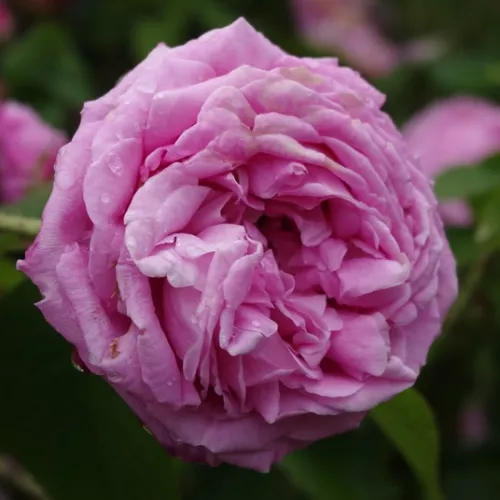
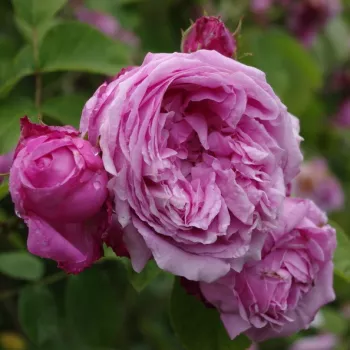
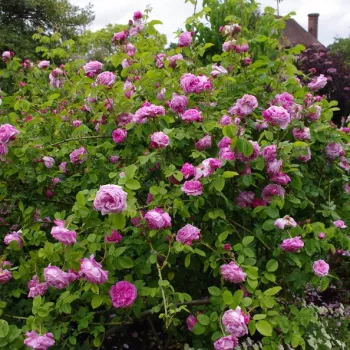
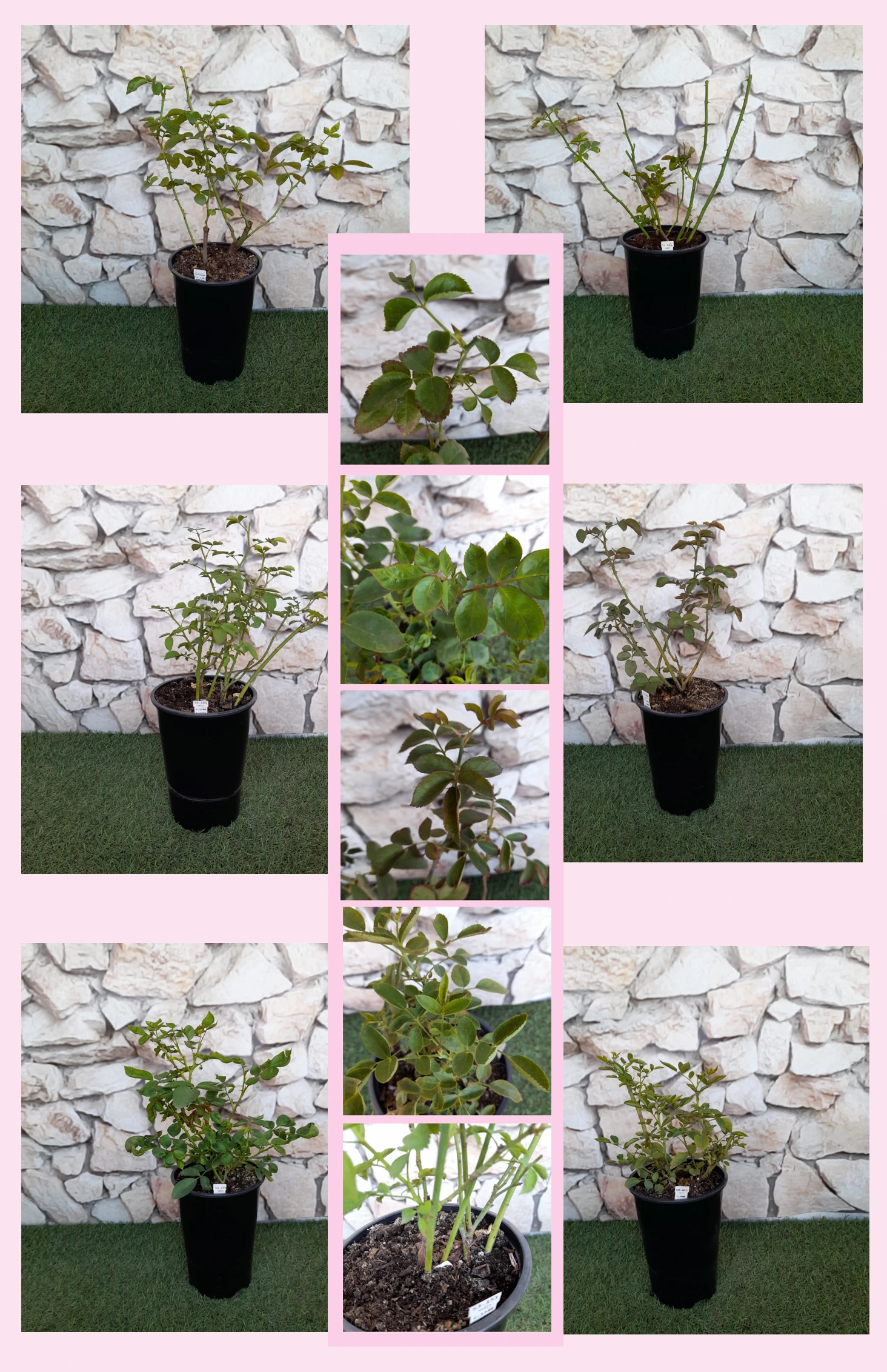
Step into a romantic, storybook garden with Coupe d’Hébé, a tall, gently climbing Bourbon rose that drapes arches, arbours and cottage fences in softly cupped, warm pink blooms. Its repeat-flowering habit brings waves of richly petalled, shell-pink flowers through summer, each one carrying a very strong, classic old-rose fragrance that suits relaxed afternoon tea in the garden. Naturally dense, light-green foliage clothes the stems from low down, helping this historical rose form a graceful, leafy screen that feels instantly established. Own-root plants develop slowly but steadily, with roots in the first year, more confident shoots in the second and full, romantic ornamental impact by the third, giving you a long-lived, reliable feature. Medium disease resistance and robust hardiness mean it copes well in typical British gardens, even where strong breezes and wet weather regularly pass through, especially if you give it reasonable soil drainage.
Usage options
| Target area | Reasoning |
|---|
| Arbour or arch in a family garden |
Its tall, climbing habit and dense foliage make Coupe d’Hébé ideal for clothing a metal or wooden arbour, creating a romantic tunnel of pink, scented flowers over a seating area for relaxed family use; perfect for the afternoon-tea lover |
| Cottage-style boundary or picket fence |
Trained along a low fence, its repeat-flowering pink blooms and classic old-rose character give an instant cottage feel, while own-root vigour supports long-term structure without the need for complex pruning; ideal for the traditionalist |
| Feature rose in a mixed cottage border |
As a tall, upright specimen at the back of a border, it adds height, fragrance and colour above perennials, with own-root resilience allowing simple annual shaping rather than precise cutting; suited to the busy-beginner gardener |
| Romantic garden seat or bench backdrop |
Planted behind a bench, its cupped, strongly scented flowers create a fragrant backdrop and soft privacy screen, offering an easy-care way to add character to small and medium family gardens with limited time; perfect for the urban-homeowner |
| Informal flowering hedge |
At recommended hedge spacing it forms a loose, flowering screen, with own-root stability helping it recover well after occasional harder pruning, so you can adjust height and width as the garden matures; ideal for the flexible-planner |
| Large container by terrace or patio |
In a 40–50 litre or larger container with good drainage, it delivers scented, summer-long colour near your seating, while the own-root system builds steadily so the plant remains reliable and rejuvenates well over years; suited to the patio-gardener |
| Small rural kitchen garden corner |
Its historical character and strong perfume complement herbs and vegetables, giving a soft, nostalgic edge to a practical space, while medium disease resistance and robust hardiness reduce the need for frequent treatments in changeable weather; ideal for the country-romantic |
| Exposed, breezy garden spots with good light |
In open UK gardens that regularly feel the wind and rain, its climbing framework and dense foliage anchor well once established, provided the soil drains reasonably and you give basic support; a reassuring choice for the low-maintenance seeker |
Styling ideas
- Arbour-Tea-Nook – train Coupe d’Hébé over a simple wooden arbour, underplant with lavender and catmint for a soft blue contrast and enjoy scented shade for tea – for the romantic afternoon-tea enthusiast
- Roses-and-Herbs – place it at the sunny edge of a kitchen garden, weaving through rosemary and sage so fragrant foliage echoes the rose’s perfume – for the cottage-plot cook
- Pastel-Border-Backbone – use it as the vertical accent behind soft pink phlox, airy grasses and white asters to create a gentle, layered cottage border – for lovers of relaxed, hazy planting
- Vintage-Fence-Row – let stems ramble along a picket or post-and-rail fence with rock cress and dwarf asters at the base for a lived-in, old-village feel – for admirers of traditional front gardens
- Patio-Perfume-Column – grow it in a large, well-drained container with a slim obelisk, pairing with trailing thyme and violas to bring scent and colour to compact terraces – for balcony and courtyard gardeners
Technical cultivar profile
| Property | Data |
|---|
| Name and registration |
Historical Bourbon shrub/climbing rose; trade name Coupe d’Hébé, Heritage rose, Laffay; unregistered cultivar commonly listed under its traditional exhibition name. |
| Origin and breeding |
Bourbon rose × Rosa chinensis hybrid bred by Jean Laffay, France, around 1840; introduced by Camden Park, Australia, in 1850 and now valued as a heritage garden rose. |
| Growth and structural characteristics |
Strong, tall climber to about 200–300 cm high and 120–200 cm wide; dense, lightly glossy light-green foliage; densely thorned stems; needs basic support and space to arch naturally. |
| Flower morphology |
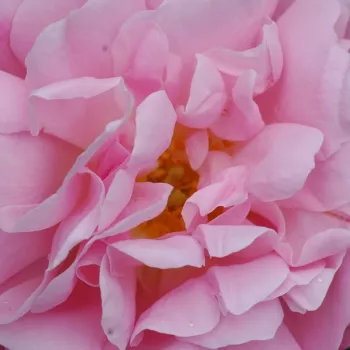
Medium-sized, double, cupped blooms, usually solitary on the stems; around 26–39 petals; remontant with a lighter second flush; spent blooms benefit from deadheading to maintain display. |
| Colour data and phenology |
Warm, medium pink with a delicate cherry tone; buds deep pink, opening mid-pink, then fading to shell and mallow pink; colour retention modest, giving a softly blended, nostalgic effect. |
| Fragrance and aroma |
Very strong, classic old-rose scent, noticeable from a distance in still air; ideal for seating areas and paths where perfume is a priority feature of the planting scheme. |
| Hip characteristics |
Occasional spherical hips, about 15–22 mm across, maturing to orange; not a heavy fruiting variety but offers some seasonal interest in late summer and autumn. |
| Resistance and winter hardiness |
Medium overall disease tolerance, generally resistant to powdery mildew and black spot, with moderate rust sensitivity; hardy to around -26 to -23 °C (RHS H7; USDA 5b; Swedish zone 4). |
| Horticultural recommendations |
Best in fertile, well-drained soil with sun or light shade; suitable for flower beds, specimen use, scented gardens and informal hedging; moderate maintenance, including watering in drought and occasional pest checks. |
Choose Coupe d’Hébé for a strongly scented, repeat-flowering historic climber that anchors arbours and fences beautifully, benefits from the resilience of own-root growth and will reward patient gardeners who enjoy romantic, long-lived roses.