COUTURE R. TILIA – pink bedding floribunda rose – Kawamoto
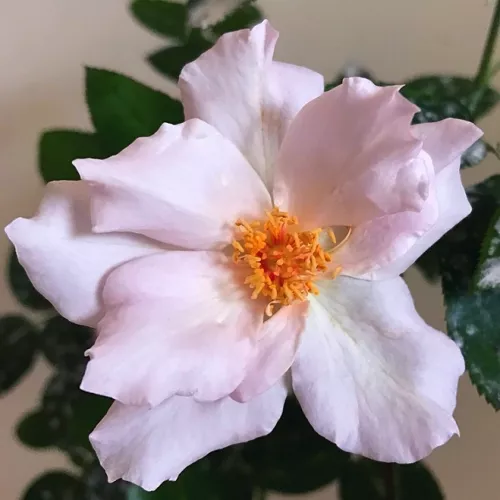
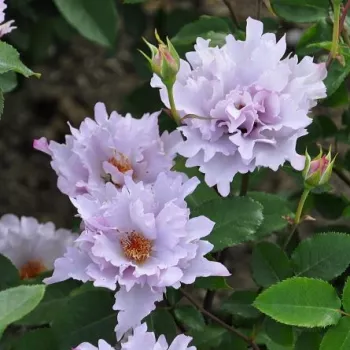
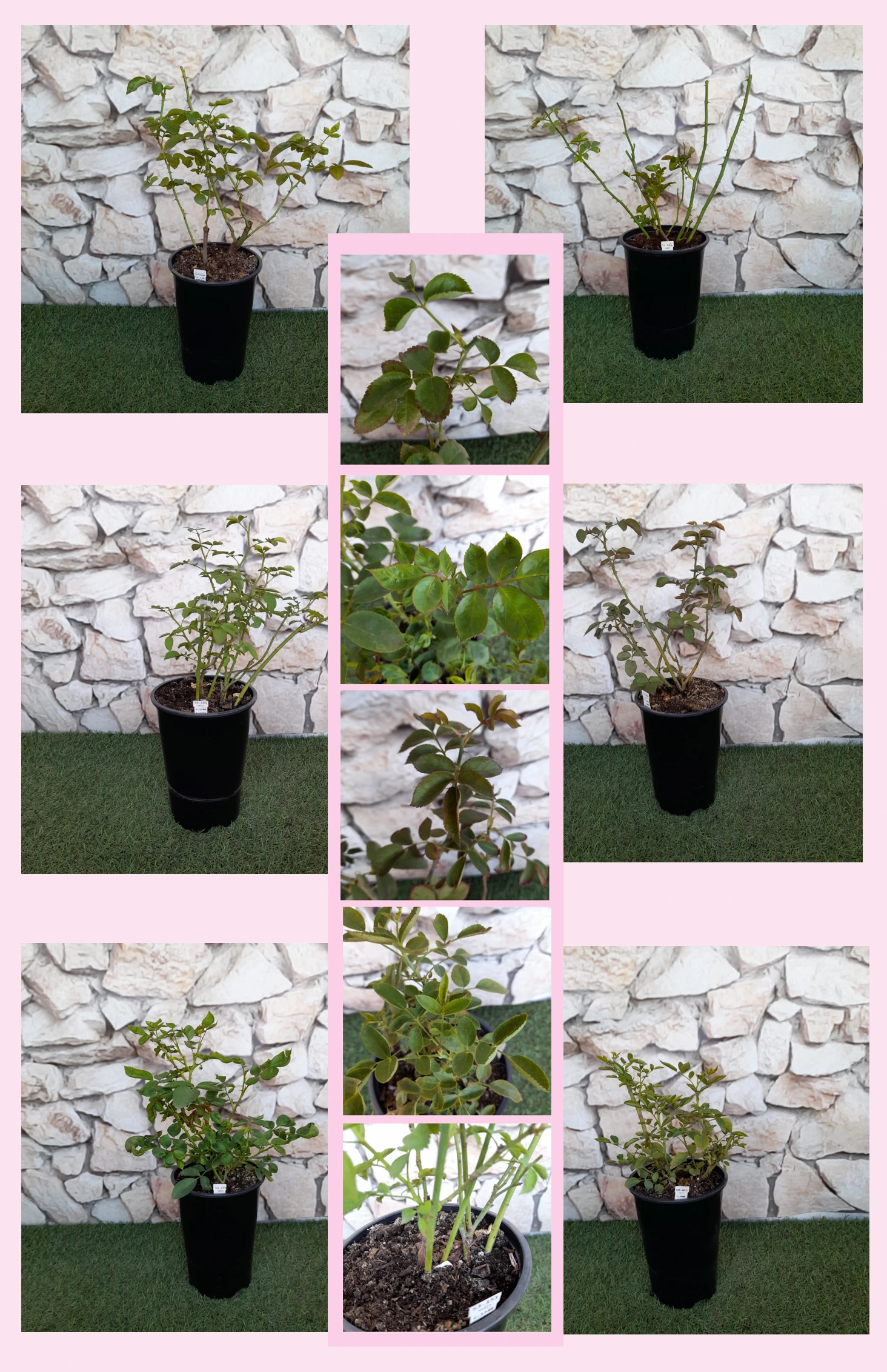
In a family garden where you dream of afternoon tea beneath an arbour, COUTURE R. TILIA brings an effortlessly romantic, storybook feel with its velvety soft pink, semi-double blooms. This bushy, slightly spreading floribunda flowers generously in flushes, offering a reliably floriferous display from a compact, well-shaped plant that suits smaller borders and front-of-bed positions. Its strong, long-lasting tea-and-spice perfume adds an inviting fragrance to paths and seating areas, while the robust foliage and good disease resistance keep maintenance pleasingly simple. As an own-root rose it stays stable, long-lived and ready to regenerate if ever cut back hard, meaning your planting is a genuine investment rather than a short-term flourish. Ideal for chalky or heavier soils when you improve drainage or plant in raised beds, it settles and anchors well even in exposed coastal situations. In containers of at least 40–50 litres it still feels naturally cottage, pairing beautifully with herbs and traditional perennials, and over the years you will see it progress from rooting in during the first season to stronger shoots in the second and its full ornamental presence by the third, creating lasting garden cosiness.
Usage options
| Target area | Reasoning |
|---|
| Mixed cottage-style border in a family garden |
The bushy, slightly spreading habit and moderate height allow COUTURE R. TILIA to sit naturally among perennials, herbs and low shrubs, giving a soft, traditional outline without overwhelming the space. Its romantic pink tones and repeat flowering keep borders looking lived-in and welcoming through summer for lovers of cottage style. |
| Bedding and mass planting in front gardens |
As a bedding floribunda, it performs best when planted in groups, creating cohesive swathes of pastel pink colour that read clearly from the street. Reliable repeat blooming and a tidy outline make it especially suitable for simple, symmetrical front-garden schemes that require little fuss from busy homeowners. |
| Large containers on patios, terraces or balconies |
When grown in a 40–50 litre or larger container with good compost, its compact size, generous flowering and strong scent translate beautifully to paved spaces. You gain the full cottage-garden mood even in a city setting, with straightforward watering and deadheading routines for urban gardeners. |
| Pathside or seating-area planting |
The strong, long-lasting tea-and-spice fragrance is best appreciated close up, so planting near benches, dining areas or along a favourite path makes every passage more atmospheric. Semi-double blooms at eye and nose level bring a storybook feel to everyday moments for romantic traditionalists. |
| Small specimen rose for focal points |
Planted alone in a sunny spot, the rounded bush and clear, velvety pink colour stand out without needing complicated underplanting. Its consistent structure and remontant flowering give year-on-year reliability, ideal when you want one pretty, dependable highlight for beginner gardeners. |
| Low rose hedge or informal edging |
Regular spacing at the recommended distances creates a loose, flowering boundary that reads as a soft hedge rather than a rigid barrier. The slightly spreading habit knits plants together, while repeat blooms and dark foliage frame lawns, drives and kitchen gardens for family garden owners. |
| Mixed planting on improved clay or chalk soils |
Once drainage is improved or raised beds are used, its robust root system and own-root resilience allow it to anchor well even where winters are cold and winds are brisk, coping reliably in sites that challenge less adaptable varieties for practical planners. |
| Cut flowers for informal indoor arrangements |
The medium-sized, semi-double blooms with a soft lavender undertone and strong fragrance are excellent for relaxed, jug-style arrangements in kitchens and sitting rooms. Regular cutting stimulates further flowering, extending garden enjoyment into the home for home decorators. |
Styling ideas
- Cottage-Border Trio – Combine COUTURE R. TILIA with Alchemilla mollis and low lavender for a soft-edged, romantic front border that flowers for months – ideal for lovers of traditional English cottage gardens.
- Patio-Tea Corner – Plant one rose in a 50-litre terracotta pot with trailing thyme around the rim beside a bistro set to create an instant afternoon tea nook – perfect for balcony or small-terrace users.
- Pastel-Drift Bed – Mass-plant several bushes in a shallow curve, underplanted with soft grasses, to form a low, pink drift that reads beautifully from the house – suited to family gardens needing simple impact.
- Kitchen-Garden Accent – Place a pair at the entrance to a kitchen garden, edging beds of herbs and salad with scented, storybook charm – appealing to home cooks who love cutting their own flowers.
- Romantic-Hedge Line – Create a loose, waist-high hedge along a path or drive, alternating the rose with box or dwarf shrub herbs for structure – good for those wanting a gentle boundary without hard fencing.
Technical cultivar profile
| Parameter | Data |
|---|
| Name and registration |
COUTURE R. TILIA, bedding floribunda rose; American Rose Society exhibition name Couture Rose Tilia; commercial use as a bed rose for garden and landscape planting. |
| Origin and breeding |
Bred by Junko Kawamoto at Kawamoto Rose Garden, Japan, from unknown parentage; first distributed by Keihan Gardening and introduced to the market in 2010 after breeding work completed in 2009. |
| Growth and structural characteristics |
Bushy, slightly spreading shrub to around 80–110 cm high and 60–80 cm wide, with moderately dense, glossy dark green foliage and moderate prickliness, forming a compact, balanced plant for borders and beds. |
| Flower morphology |
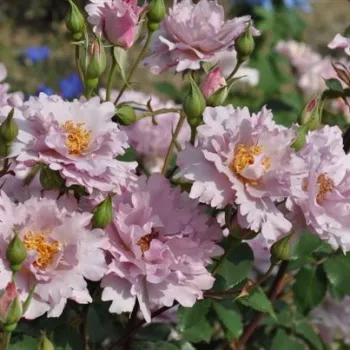
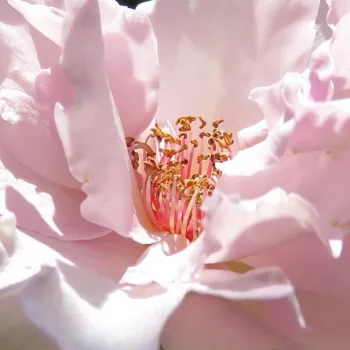
Semi-double, medium-sized flat blooms in corymbose clusters, typically 13–25 petals; remontant habit with a generous second flush, providing extended seasonal interest for bedding and mixed-planting schemes. |
| Colour data and phenology |
Velvety soft pink with a subtle lavender undertone; mid-pink buds open to pure pink, then fade towards silvery, pearlescent tones; RHS 65C–65D; colour intensity and nuance vary naturally with season and weather. |
| Fragrance and aroma |
Strong, long-lasting scent with a classic tea character and spicy notes; best appreciated at close range along paths or seating; semi-double form offers partial pollen access during warm spells, attracting some pollinators. |
| Hip characteristics |
Occasionally forms small ellipsoid hips, around 8–12 mm in diameter, colouring orange-red by autumn; decorative at close range but not a dominant ornamental feature compared with the main flowering display. |
| Resistance and winter hardiness |
Hardy to approximately –21 to –18 °C (RHS H7, USDA 6b, Swedish zone 3); resistant to powdery mildew and rust, with moderate black-spot susceptibility; moderate heat tolerance, needing irrigation in prolonged drought. |
| Horticultural recommendations |
Best in full sun with fertile, well-drained soil; suitable for flowerbeds, mixed borders, groups, specimens and larger containers; plant 40–80 cm apart depending on use, with occasional health checks and light pruning. |
COUTURE R. TILIA offers generous repeat flowering, evocative fragrance and dependable, long-lived performance on its own roots, making it a thoughtful, low-effort addition to family gardens and patios that you can select with quiet confidence.