CSÍKSZEREDA – pink bedding floribunda rose – Márk
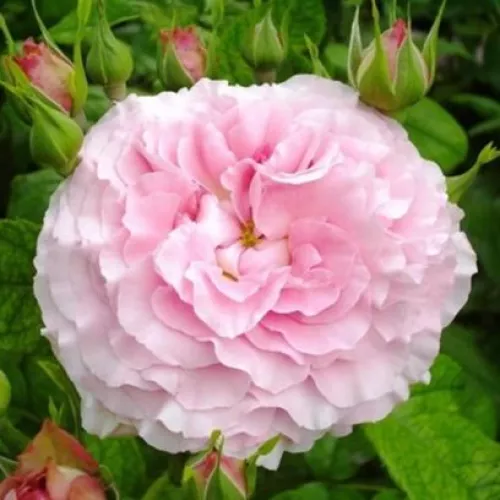
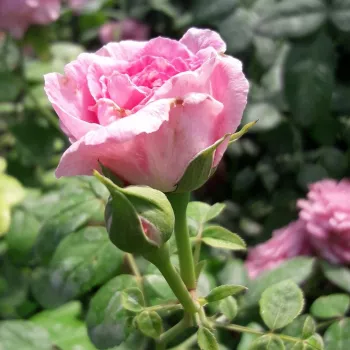
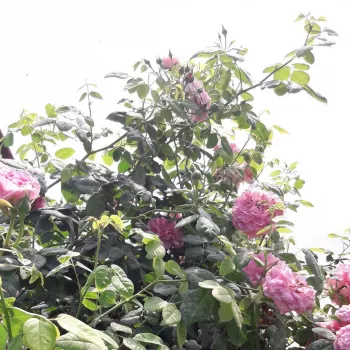
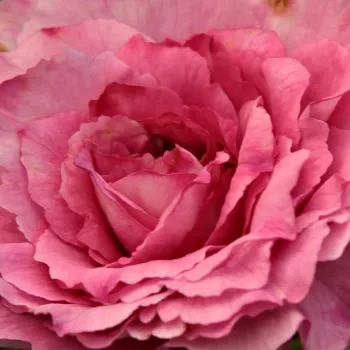
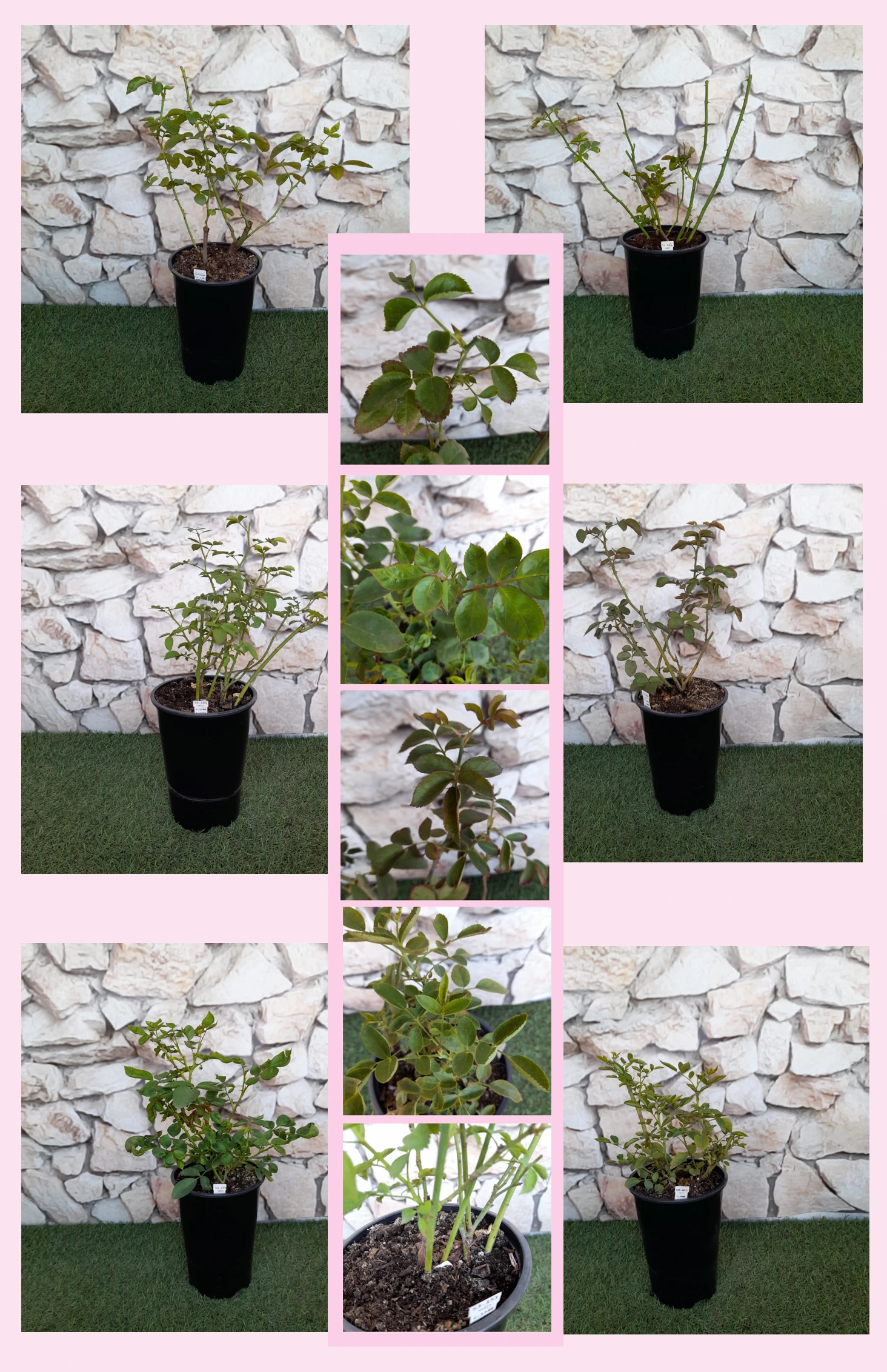
Nestled into an English-style cottage border, CSÍKSZEREDA brings romantic clusters of carmine-pink blooms that sit beautifully against mid-green, glossy foliage for a truly storybook feel. This bushy, upright shrub rose is ideal for family gardens that need to look good without constant attention, offering reliable repeat flowering from early summer onwards. Grown on its own roots, it develops steadily and is naturally long-lived, giving you a calm, enduring structure in the border. Over time you will see roots settle, shoots strengthen and then a full ornamental display, so your investment matures gracefully instead of demanding overhaul. Its medium maintenance needs suit busy households, particularly where you may be dealing with heavy, clay-based soil that benefits from good drainage and raised beds in wetter spells. Use it as a generous, hedge, a loose drift of colour or a single accent near the terrace to enjoy afternoon tea in a setting that feels both relaxed and carefully composed.
Usage options
| Target area | Reasoning |
|---|
| Front to mid-border in a cottage-style flowerbed |
The bushy, upright habit and medium-sized, globular blooms fit perfectly into traditional cottage borders where you want structure without formality; repeat flowering keeps colour running through the season with minimal intervention for hobby gardeners |
| Loose flowering hedge along a path or boundary |
Recommended spacing of around 90–100 cm lets CSÍKSZEREDA form a soft, semi-open hedge that defines paths or separates a lawn from a kitchen garden, giving romantic enclosure without feeling heavy for family buyers |
| Feature planting near a seating area or arbour |
Clustered carmine-pink flowers read strongly from a distance and create a cosy backdrop for afternoon tea spots, particularly when repeated in small groups to echo the colour throughout the view for cottage-style lovers |
| Mass planting for a unified colour statement |
Square or hexagonal planting at 1.0–1.2 plants/m² produces a generous, even sheet of pink, ideal for front gardens where a tidy, dependable look is needed with simple pruning and straightforward seasonal care for busy homeowners |
| Mixed planting with grasses and perennials |
The dense foliage and upright framework partner well with airy companions such as Gypsophila repens or Carex, softening edges and giving a layered, naturalistic feel that still reads as traditional for country-garden enthusiasts |
| Rural kitchen garden borders and utility areas |
A medium-maintenance, moderately disease-resistant rose that copes well as a background shrub, giving long-term structure and a classic look along vegetable plots or fruit cages without demanding intricate pruning for practical gardeners |
| Containers and large patio planters |
In a 40–50 litre or larger container, its own-root, shrub-like form anchors terraces and small urban gardens, combining repeat flower clusters with reassuring stability and long-term performance for urban balcony-owners |
| Exposed spots in typical family gardens |
The sturdy framework and moderate disease resistance lend themselves to gardens facing brisk wind and regular rain, particularly in areas where heavier soils need raised beds or added drainage to stay healthy for coastal and clay-garden owners |
Styling ideas
- Cottage-hedge – Run a loose single-row hedge along a front fence, underplanting with creeping baby’s-breath for a frothy base – ideal for family buyers wanting storybook kerb appeal.
- Tea-corner – Place three plants in a triangle near a bench or arbour, weaving in soft grasses for movement – suited to homeowners creating a calm afternoon tea nook.
- Kitchen-rim – Edge a kitchen garden with repeated shrubs at regular intervals, mixing in herbs and montbretia – perfect for rural cooks who like a traditional productive plot.
- Pastel-drift – Combine CSÍKSZEREDA with pale foxgloves and blue sedges in a sweeping border – for romantic gardeners seeking a gentle, blended pink and blue palette.
- Patio-anchor – Grow a specimen in a 50 litre terracotta pot flanked by lavender, framing the back door – best for busy urban owners who want impact with simple routines.
Technical cultivar profile
| Property | Data |
|---|
| Name and registration |
Csíkszereda Flowerbed rose Márk; floribunda bed rose, shrub exhibition category; ARS exhibition name Csíkszereda; part of the Flowerbed rose collection for garden bedding use. |
| Origin and breeding |
Bred in Hungary in 2006 by Márk Gergely from a self-cross of ‘Árpád-házi Szent Erzsébet emléke’; introduced to the market by PharmaRosa Ltd., detailed registration years not documented. |
| Growth and structural characteristics |
Bushy, upright floribunda reaching about 100–140 cm high and 80–120 cm wide, with dense, mid-green glossy foliage and moderate prickles, forming a substantial, long-lived shrub framework. |
| Flower morphology |
Semi-double, globular to pompon blooms, typically 13–25 petals, borne in clusters of medium-sized flowers around 1.5–2.75 inches across, repeating generously with a strong second flush. |
| Colour data and phenology |
Deep carmine-pink buds open to rich carmine-pink blooms (RHS 57C outer, 57B inner), then soften to pale carmine-pink before fading; colour retention is medium with gentle lightening at the petal edges. |
| Fragrance and aroma |
Fragrance is very weak and barely perceptible, making it suitable for those who prefer visual impact without strong scent; no specific fragrance notes or cosmetic uses have been reported. |
| Hip characteristics |
Produces moderate numbers of ovoid, egg-shaped rose hips about 10–14 mm across, coloured orange-red, adding a discreet seasonal accent in late season without overwhelming the shrub’s outline. |
| Resistance and winter hardiness |
Rated to approximately –21 to –18 °C (USDA 6b, RHS H7, Swedish zone 3), with moderate resistance to black spot, powdery mildew and rust, benefiting from routine monitoring and timely treatment. |
| Horticultural recommendations |
Medium maintenance: average disease resistance with occasional pest and disease control; recommended spacing 90–150 cm depending on hedge, mass, or specimen use, at 1.0–1.2 plants per square metre. |
CSÍKSZEREDA offers generous repeat flowering, a sturdy shrub form and long-lived own-root reliability, making it a considered choice for those planning a lasting, low-fuss cottage-style border.