Cumberland – deep red climbing rose – Harkness
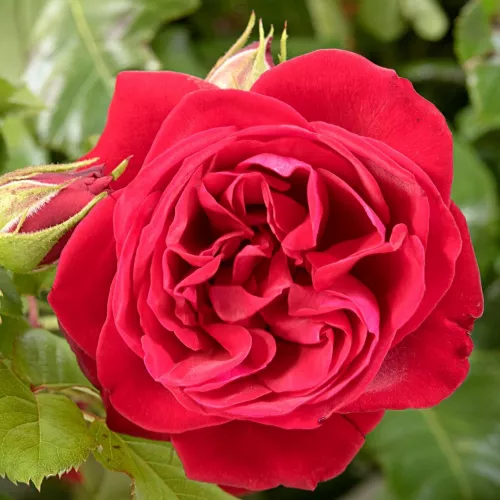
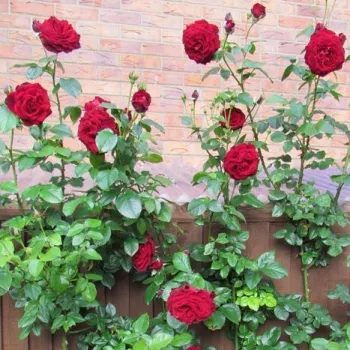
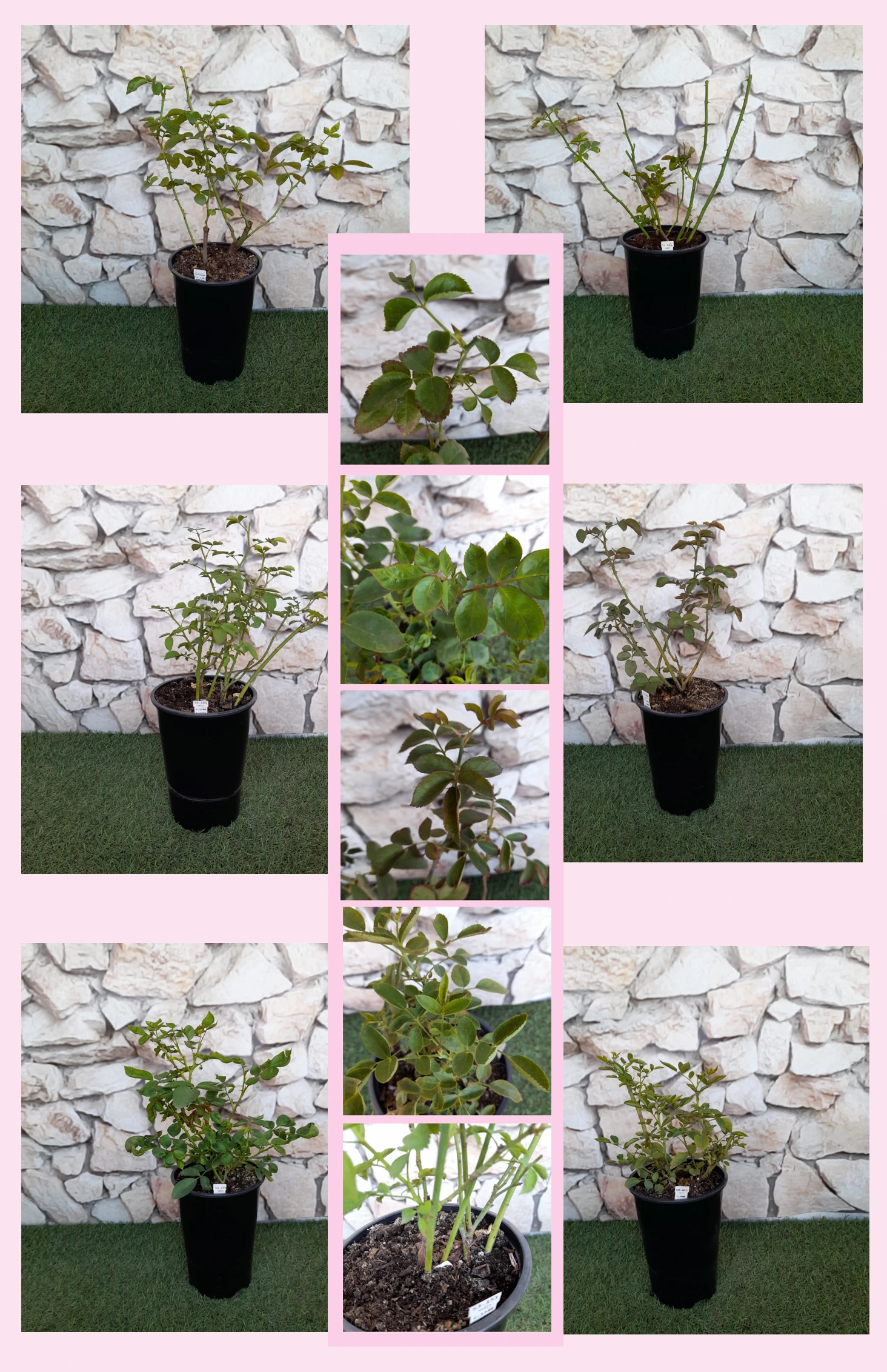
Transform an ordinary fence, wall or arch into a romantic arbour with Cumberland, a deep red climbing rose bred by Harkness for easygoing gardens. Its glossy mid-green foliage and rosette blooms bring instant cottage-style charm, while the own-root planting stock settles securely even where wind and rain can be relentless near exposed coasts. Clusters of velvety, very full flowers repeat throughout summer, creating a storybook backdrop for afternoon tea or evening cosiness outdoors. Cumberland’s reliable disease resistance keeps care simple, and its long-lived root system supports gradual, natural development – roots first, then stronger shoots, then full ornamental impact by about the third year.
Usage options
| Target area |
Reasoning |
| House wall or sunny fence in a family garden |
Cumberland’s 3–4.2 m height and 1.8–2.6 m spread make it ideal for training along a typical house wall or boundary fence without overwhelming a small to medium plot. Its own-root vigour supports a long lifespan and dependable repeat flowering with minimal pruning, suiting homeowners who want classic structure more than constant garden tasks, especially busy-owners. |
| Archway or pergola over a path |
The flexible climbing growth and moderately dense foliage create a soft, enclosing canopy over an arch or pergola, perfect for a romantic approach to a kitchen garden or seating area. Abundant, deep red rosette blooms in clusters add a storybook feel, while the mild, sweet scent remains pleasantly understated for walk-through spaces, appealing to cottage-lovers. |
| Rose arbour with afternoon seating |
Planted on either side of an arbour, Cumberland clothes supports from about 1 m upwards, leaving practical room for benches and children’s play beneath. Reliable remontant flowering provides colour through much of the season, while strong own-root anchoring feels reassuring in breezier spots where families linger outdoors for relaxed tea or reading, suiting family-gardens. |
| Traditional cottage-style mixed border |
Cumberland’s uniform deep red flowers and glossy foliage give a clear vertical accent behind perennials and herbs, fitting a “girly” cottage palette with catmint, coneflowers and low hedging. Its good disease resistance reduces the need for spraying, so the border remains decorative without complicated routines, ideal for beginners. |
| Large container or half-barrel near a patio |
For paved or rented spaces, Cumberland can be grown in a sturdy 40–50 litre container with a trellis, offering height and romance where ground planting is limited. The own-root form copes well with periodic root renewal, and modest pruning keeps it in scale, giving a long-lived, moveable feature for balcony-owners. |
| Low-maintenance screening between neighbouring gardens |
Trained along wires between posts, Cumberland forms a flowering screen that softens boundaries without needing precise clipping. Its disease resistance means fewer interventions, while the moderate thorniness adds a gentle deterrent without becoming unmanageable, suiting householders seeking privacy with minimal input, especially new-gardeners. |
| Cut-flower corner by the kitchen garden |
The medium-sized, very full, cluster-flowered heads provide elegant stems for indoor vases, maintaining a rich deep red colour from bud to full bloom. Reliable repeat flushes mean you can cut regularly without stripping the plant, and the mild sweetness will not overpower small rooms, pleasing home-decorators. |
| Exposed coastal or wind-prone plots |
Where gardens are open to wind and driving rain, Cumberland’s own-root system offers secure anchoring and steady recovery after rough weather, while its resistance to common fungal problems supports healthy foliage even in damp spells, reassuring coastal-gardeners. |
Styling ideas
- Storybook Arch – Train Cumberland over a metal arch, underplant with catmint and low pink perennials to frame a gravel path – ideal for cottage-style romantics.
- Kitchen-Garden Gate – Flank a timber gate with Cumberland on both sides, adding herbs and lavender at the base for scent and soft structure – perfect for rural kitchen-garden owners.
- Patio Backdrop – Use a large trellis and 50 litre tub for Cumberland behind a bistro set, combining with terracotta pots of thyme and chives – suited to busy urban homeowners.
- Soft Boundary – Space plants along a wire fence at 2–3 m, interplanted with coneflowers and groundcover spindle for year-round texture – ideal for family boundary screening.
- Afternoon-Arbour Nook – Cover a small pergola with Cumberland, adding a bench, lanterns and pale foxgloves nearby for a cosy tea corner – perfect for romantic weekend gardeners.
Technical cultivar profile
| Parameter |
Data |
| Name and registration |
Cumberland – English Legend collection large-flowered climbing rose; registered as HARnext, introduced 2011 by Harkness, with American Rose Society exhibition name Cumberland for show and garden use. |
| Origin and breeding |
Bred in the United Kingdom by Harkness & Co.; parentage not disclosed. Registered in 2007 and first distributed by Harkness Roses, reflecting traditional British climbing rose breeding. |
| Growth and structural characteristics |
Vigorous climber reaching about 3–4.2 m high and 1.8–2.6 m wide, with moderately dense, glossy mid-green foliage and moderate prickles; best trained on supports such as walls, fences or arches. |
| Flower morphology |
Medium-sized 4–7 cm rosette blooms with over 40 petals, very full and produced mainly in clusters. Remontant habit with abundant second flush, creating repeated displays through the main season. |
| Colour data and phenology |
Deep, velvety red flowers (RHS 53A–53B; ARS dr) from bud to full bloom, darkening slightly to a mahogany-red tone before fading; colour generally solid and uniform with a gentle silk-like sheen. |
| Fragrance and aroma |
Softly sweet fragrance of mild intensity; noticeable at close range without being overpowering. Suitable for seating areas and cut flowers where a restrained, pleasant scent is preferred. |
| Hip characteristics |
Produces rose hips in moderate quantities after flowering, typically around 9–14 mm across; hips add discreet seasonal interest if spent blooms are not removed late in the season. |
| Resistance and winter hardiness |
Rated resistant to powdery mildew, black spot and rust, enabling reduced chemical use. Very hardy to approximately –26 to –23 °C (RHS H7; USDA 5b; Swedish Zone 4), suitable for most UK climates. |
| Horticultural recommendations |
Best on walls, fences, arches, pergolas or large tubs; plant about 2–3 m apart. Low maintenance needs; partial shade tolerant; ideal own-root choice for long-term family gardens and cottage-style schemes. |
Cumberland English Legend® HARnext offers romantic deep red repeat flowering, reliable disease resistance and long-lived own-root strength; consider it if you want an easy yet characterful climber for your garden.