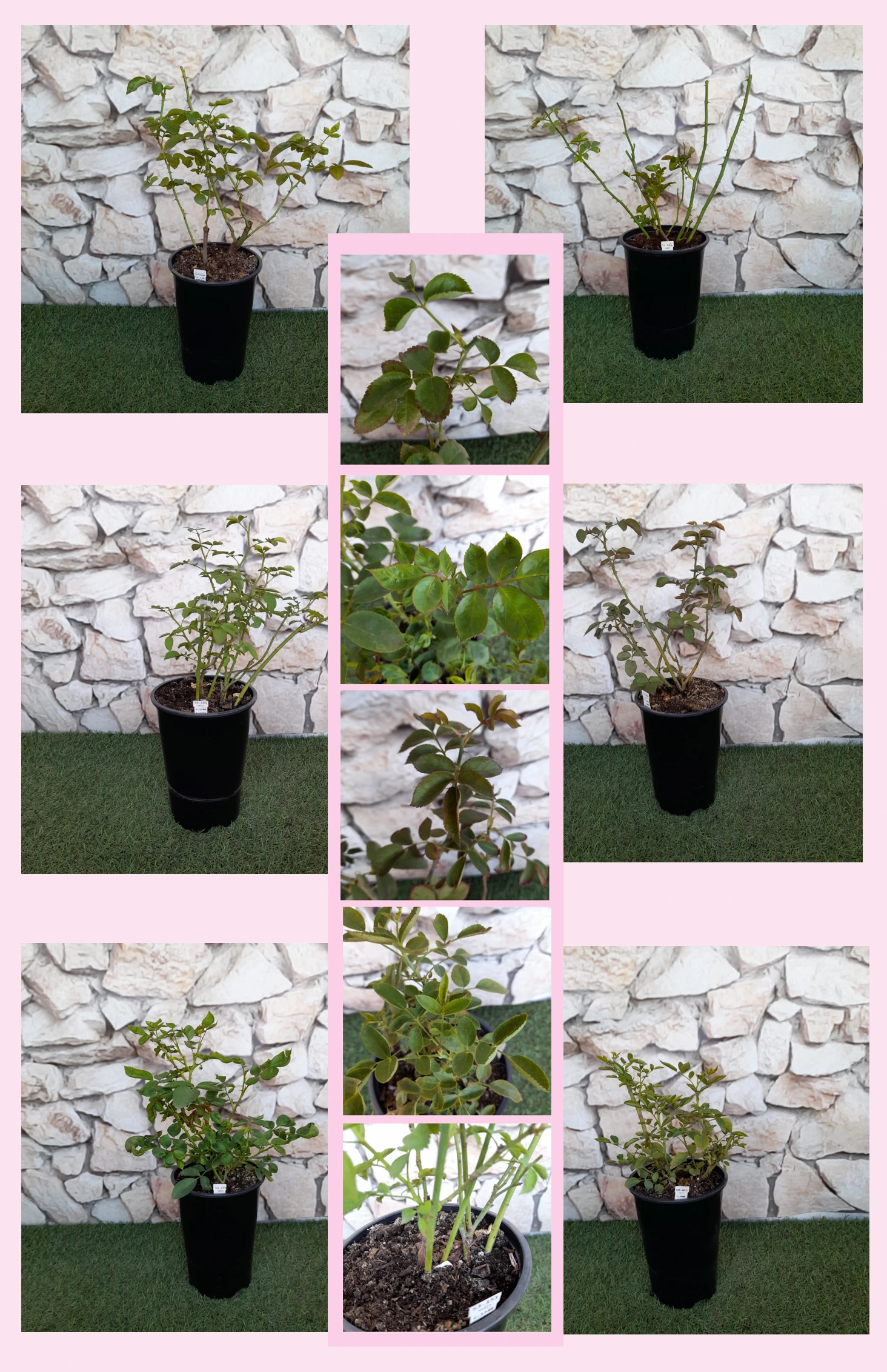
Diorama – yellow hybrid tea rose
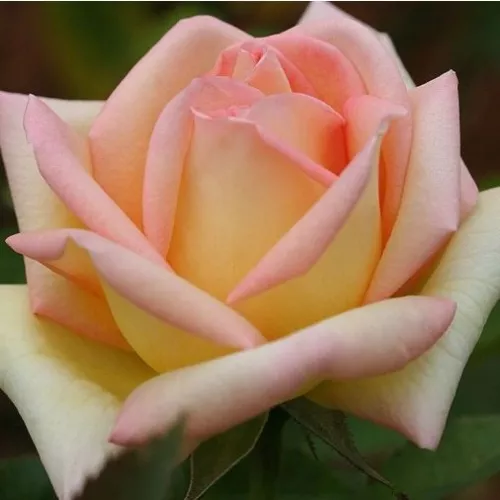
Imagine afternoon tea in a sheltered corner as Diorama opens perfectly formed, high‑centred blooms in a warm, peach‑tinted yellow that feels instantly romantic. This compact, hybrid tea is easy to place in a family garden, creating a neat, upright structure that slips naturally into cottage borders or a small rose bed. Bred on its own roots, it is designed for dependable longevity in typical UK gardens, coping well with exposed sites where frequent rain and wind demand solid anchoring and reliable regrowth. Over time, the plant develops into a stable, long‑lived feature, giving you beautifully formed cut flowers with classic, medium rose fragrance, while remaining remarkably straightforward to look after in day‑to‑day maintenance.
Usage options
| Target area |
Reasoning |
| Front‑of‑border feature in a cottage‑style bed |
The compact height and tidy, upright habit make it ideal for the front or mid‑front of a mixed cottage border, where its warm yellow, peach‑tinted blooms read clearly without overwhelming nearby perennials; a good choice for those seeking traditional charm. |
| Cutting patch near the kitchen garden |
High‑centred, exhibition‑type flowers on straight stems are well suited to cutting for vases and table settings, giving you classic hybrid tea form and medium, recognisable rose fragrance from a low, easy‑to‑reach shrub; a delight for home arrangers. |
| Low rose hedge along a path or terrace |
Planted at hedge spacing, the dense foliage and moderate prickliness create a defined, manageable edging that frames paths or patios without growing too tall, helping to visually organise a small to medium family garden for busy owners. |
| Focus plant in a small dedicated rose bed |
Its repeat‑flowering habit with a generous second flush provides a steady supply of blooms through the season, so even a single‑variety bed keeps its impact over many weeks, rewarding regular deadheading for keen beginners. |
| Container rose for sunny patios and courtyards |
The compact root system and modest spread suit large containers of at least 40–50 litres, where good drainage and feeding are easy to manage, allowing you to enjoy show‑bench style flowers close to seating areas appreciated by urban gardeners. |
| Long‑term structural element in a family garden plan |
Own‑root growth supports gradual thickening and reliable regrowth from the base over many years, reducing worries about graft failure and helping the plant mature steadily as part of a long‑range layout valued by future‑minded planners. |
| Exposed or breezy suburban plots |
The naturally compact stature and dense, slightly glossy foliage sit low enough to avoid wind‑rock, while the own‑root system offers firm anchoring and recovery potential in blustery, rain‑washed conditions reassuring for coastal residents. |
| Low‑maintenance accent near seating or play areas |
Medium care needs suit those happy to deadhead and occasionally treat common fungal problems, while the plant repays light pruning flexibility as it moves from establishing roots in year one to fuller display by year three, manageable for casual gardeners. |
Styling ideas
- Kitchen‑garden posy corner – Pair Diorama with rows of herbs and English lavender for scented cutting material and a soft, homely edge to vegetable beds – ideal for cottage‑style growers.
- Sunny front‑border ribbon – Plant a low drift in front of taller shrubs, interwoven with Siberian bugloss for blue spring foliage contrast – suited to small‑garden owners.
- Patio tea‑table pot – Grow one plant in a 50‑litre terracotta container by a bistro set, underplanted with compact violas for colour between flushes – perfect for balcony and courtyard users.
- Storybook path hedge – Use hedge spacing along a garden path, threading in airy perennials like verbena for movement and a romantic, walk‑through effect – appealing to romantic stylists.
- Cream‑and‑gold rose bed – Combine Diorama with white and cream roses plus soft ornamental grasses to build a restrained, luminous colour scheme – attractive to classic‑taste gardeners.
Technical cultivar profile
| Property |
Data |
| Name and registration |
Hybrid tea rose Diorama (registered as Diorama), ARS exhibition name Diorama; commercial type hybrid tea rose, classed as a cut flower and exhibition tea hybrid. |
| Origin and breeding |
Bred by Gerrit De Ruiter, De Ruiter Innovations B.V. in the Netherlands from ‘Peace’ × ‘Beauté’; bred 1965, registered 1965, introduced 1968 via Roy H. Rumsey Pty. Ltd. in Australia. |
| Growth and structural characteristics |
Compact hybrid tea with dense, medium green, slightly glossy foliage, height around 30–50 cm and spread 30–45 cm; moderately thorny canes form a low, tidy bush for beds and edging. |
| Flower morphology |
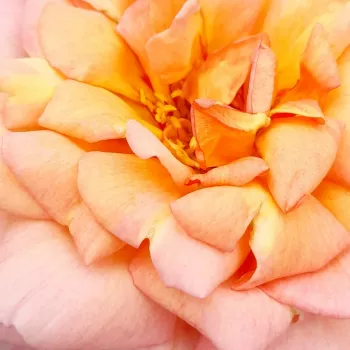
Large, double, high‑centred hybrid tea blooms with 26–39 petals, mainly borne singly on stems; classic pointed buds open to showy cut‑flower style flowers with a generous second flush. |
| Colour data and phenology |
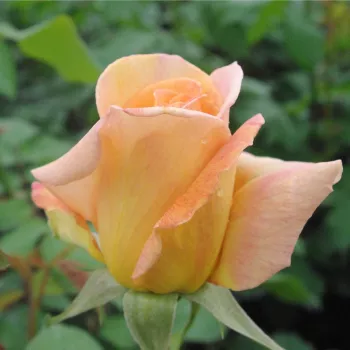
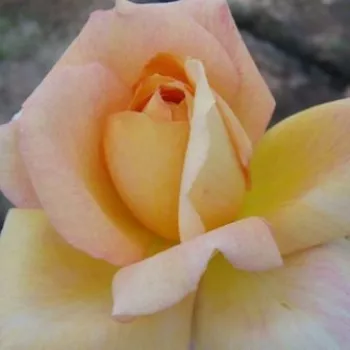
Warm yellow flowers with a delicate peach tint; golden‑yellow buds, buttery yellow outer petals and apricot‑yellow inner petals, fading gradually to creamy pastel yellow with light lemon‑yellow edging. |
| Fragrance and aroma |
Medium strength, pleasantly noticeable scent with a classic rose character; fragrance best appreciated in still air or when blooms are cut and brought indoors for vase or table display. |
| Hip characteristics |
Sparse hip set under garden conditions; when present, produces small spherical hips 8–12 mm across, in a vivid bright red tone, adding a modest ornamental note late in the season. |
| Resistance and winter hardiness |
Rated hardy to approximately −21 to −18 °C (RHS H7, USDA 6b, Swedish zone 3); disease resistance moderate to black spot and powdery mildew, but with good resistance noted to rust. |
| Horticultural recommendations |
Best in a sunny, open position; medium maintenance with deadheading and occasional disease control; spacing from 30–60 cm depending on hedge, mass planting, or solitary use in beds or containers. |
Diorama offers compact structure, repeat flowering and gentle fragrance in an own-root form that promises long-term stability in your garden, making it a thoughtful choice for relaxed, traditional planting schemes.