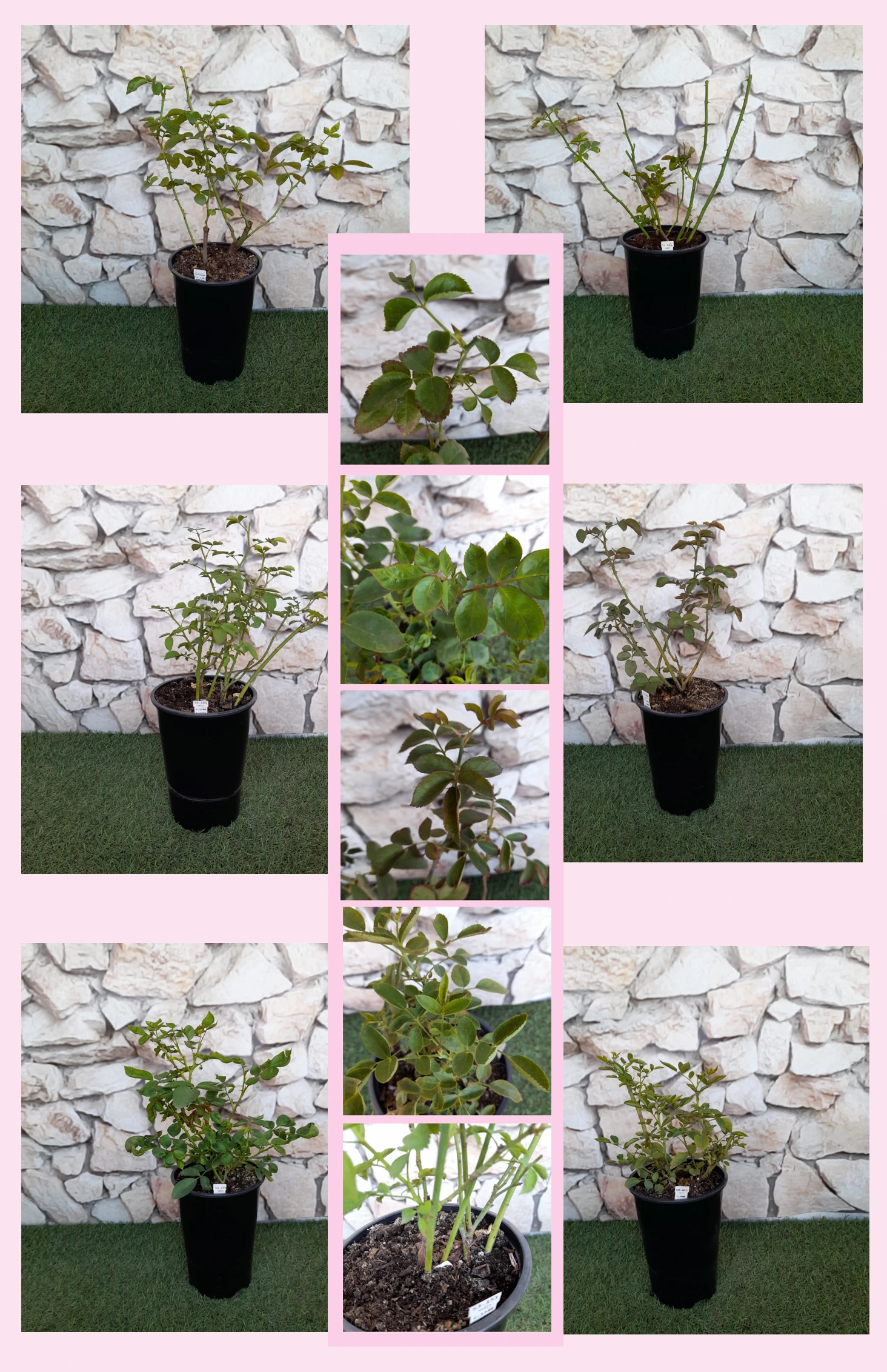
DARWINA – yellow climbing rose – pharmaROSA® ORIGINAL 2-litre own-root
Create a corner of gentle romance in your family garden with DARWINA, a golden-yellow climbing rose that clothes arches, pergolas and fences in soft, storybook colour while standing up reliably to brisk coastal weather and frequent rain. Its strong, fruity-citrus fragrance, healthy foliage and low-intervention care make it an attractive choice if you like beautiful results without constant fuss. As an own-root plant it offers reassuring longevity, quietly rebuilding from the base if stems are damaged and keeping its shape stable over the years. In the first seasons it concentrates on firm anchoring and root growth, then develops confident climbing structure and, by about the third year, a full curtain of bloom that completes the cottage-garden fantasy you had in mind for relaxed afternoon tea beneath an arbour.
Usage options
| Target area |
Reasoning |
| Pergola over a seating area |
Trained over a pergola, DARWINA quickly forms an airy, vertical framework of growth, giving dappled shade and a sense of enclosure without overwhelming a modest-sized family garden. The strong, fruity-citrus scent adds a romantic afternoon-tea atmosphere when you sit beneath it in summer, with little pruning beyond guiding the main stems. Ideal for beginners. |
| Rose arch at a path or gate |
Its medium-large clusters of warm golden-yellow blooms create a welcoming, picture-book entrance when grown on an arch, with the colour softening to cream as the flowers age for a long, gentle display. Remontant flowering means you see fresh flushes from early summer onwards, so paths and gateways stay cheerful without replanting seasonal bedding each year. Perfect for a cottage-lover. |
| Clothed fence in a family back garden |
On a garden fence DARWINA offers dependable coverage and privacy, yet its moderate vigour is easier to control than very tall ramblers, suiting typical suburban plots. The rose’s strong disease resistance keeps foliage looking clean and glossy with minimal spraying, even in damp summers, helping you maintain a smart boundary while keeping gardening time short. Suits the busy. |
| Training along a sunny house façade |
This climber works beautifully on wires across a warm house wall, where regular but light tying-in encourages a flat fan of stems and generous flowering. The own-root habit supports long-term reliability: if a section is pruned hard or winter-damaged, new shoots arise from the base with the same character, preserving your investment in the façade scheme over many years. Reassuring for the practical. |
| Informal cottage-garden boundary with kitchen garden |
Planted near a kitchen garden, DARWINA brings softness and colour beside fruit cages, vegetable beds or herb patches, fitting perfectly with traditional English-country styling. Its strong, long-lasting scent means you catch wafts while harvesting or watering, and the generally low maintenance allows you to focus on edibles rather than constant rose care. A natural match for the cook. |
| Raised beds or improved clay borders |
In heavy clay sites, DARWINA performs well when given decent drainage through raised beds or enriched planting pockets, where its own-root system can establish deeply and securely. Once settled, the climber’s good health and remontant blooms mean you gain maximum decorative value from a small prepared area, rather than having to rework long stretches of border. Helpful for the urbanite. |
| Large container near patio or terrace |
With suitable support, DARWINA can be grown in a very large container of at least 40–50 litres, ideal for patios where in-ground planting is impossible. Its strong scent and repeated flowering reward you close to seating, while own-root resilience makes it more forgiving of occasional missed watering or colder winters, provided the pot is well-drained and insulated. Appealing to the balcony-owner. |
| Wind-exposed or coastal-style garden corner |
DARWINA’s sturdy growth and healthy foliage cope well with breezy, rain-prone positions, making it a reassuring choice for more exposed plots where many roses struggle in persistent wind and showers. Its reliable flowering and stable framework keep the planting looking intentional rather than battered, even when weather is unsettled over several days. Especially suitable for the seaside. |
Styling ideas
- Golden-archway – Train DARWINA over a classic metal or timber arch with lamb’s ear at the base for soft, silvery contrast and a welcoming, storybook entrance – suited to romantic front gardens.
- Tea-pergola – Let the climber drape along a simple wooden pergola above a bistro set, adding fragrant peonies nearby to echo its softness – ideal for relaxed afternoon tea spaces.
- Cottage-fence – Combine DARWINA on a fence with informal perennials and herbs, letting its repeat yellow blooms knit the cottage border together – perfect for family gardens needing gentle privacy.
- Kitchen-border – Place it at the back of a kitchen garden bed, rising above vegetables and berries while its scent and colour frame the productive area – attractive for home-growers who like classic style.
- Patio-focus – Grow DARWINA in a 50-litre half-barrel with a sturdy obelisk, bringing repeat scent and vertical interest right onto the terrace – excellent for small urban spaces.
Technical cultivar profile
| Property |
Data |
| Name and registration |
Commercial name DARWINA – yellow climbing rose – pharmaROSA®; large-flowered climbing rose group, supplied as pharmaROSA® ORIGINAL 2-litre own-root plant for home gardens and decorative vertical use. |
| Origin and breeding |
Discovered in Hungary around 2000 and distributed by PharmaRosa® Ltd.; exact parentage and breeding institution are unknown, but selection focused on healthy foliage, remontant bloom and strong fragrance. |
| Growth and structural characteristics |
Vigorous climbing habit reaching about 200–320 cm high and 170–280 cm spread, with moderately dense, mid-green glossy foliage and moderate prickliness; best trained on supports and tied into a framework. |
| Flower morphology |
Medium to large, double flowers with roughly 26–39 petals, borne mainly in clusters on lateral shoots; flat-faced form with good petal substance, providing showy, full heads suited to arches and pergolas. |
| Colour data and phenology |
Warm golden-yellow blooms (RHS 12B–13C) opening from deep mustard buds, then gently fading to creamy, almost pale cream tones; colour retention moderate, with remontant, abundant second flowering in season. |
| Fragrance and aroma |
Pronounced, lively fruity-citrus fragrance that is strong and long-lasting around seating areas; double form offers only limited benefit to pollinators, but provides excellent sensory value for people. |
| Hip characteristics |
Occasionally sets decorative rose hips about 10–18 mm across; quantities vary by season and conditions, colour description is not documented, and hips are generally a minor visual feature on this cultivar. |
| Resistance and winter hardiness |
Good general disease resistance with reliable tolerance to powdery mildew, black spot and rust; rated hardy to about −26 to −23 °C (RHS H7, USDA 5b), making it suitable for most UK garden climates. |
| Horticultural recommendations |
Ideal for pergolas, arches, fences and façades at 170–300 cm spacing; plant in improved soil with decent drainage, tie stems horizontally to encourage flowering, and prune lightly to maintain structure and renewal. |
DARWINA – yellow climbing rose – pharmaROSA® offers romantic golden blooms, strong fragrance and reliable disease resistance on a long-lived own-root framework; a thoughtful choice if you want enduring charm with modest upkeep.