ELIZABETH STUART – peach-pink nostalgic rose – Massad
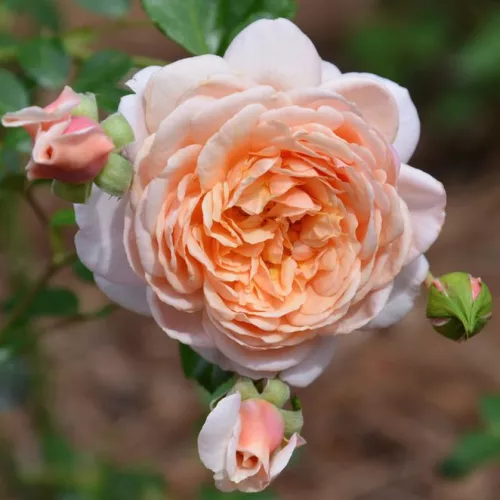
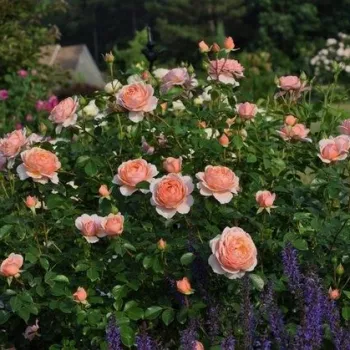
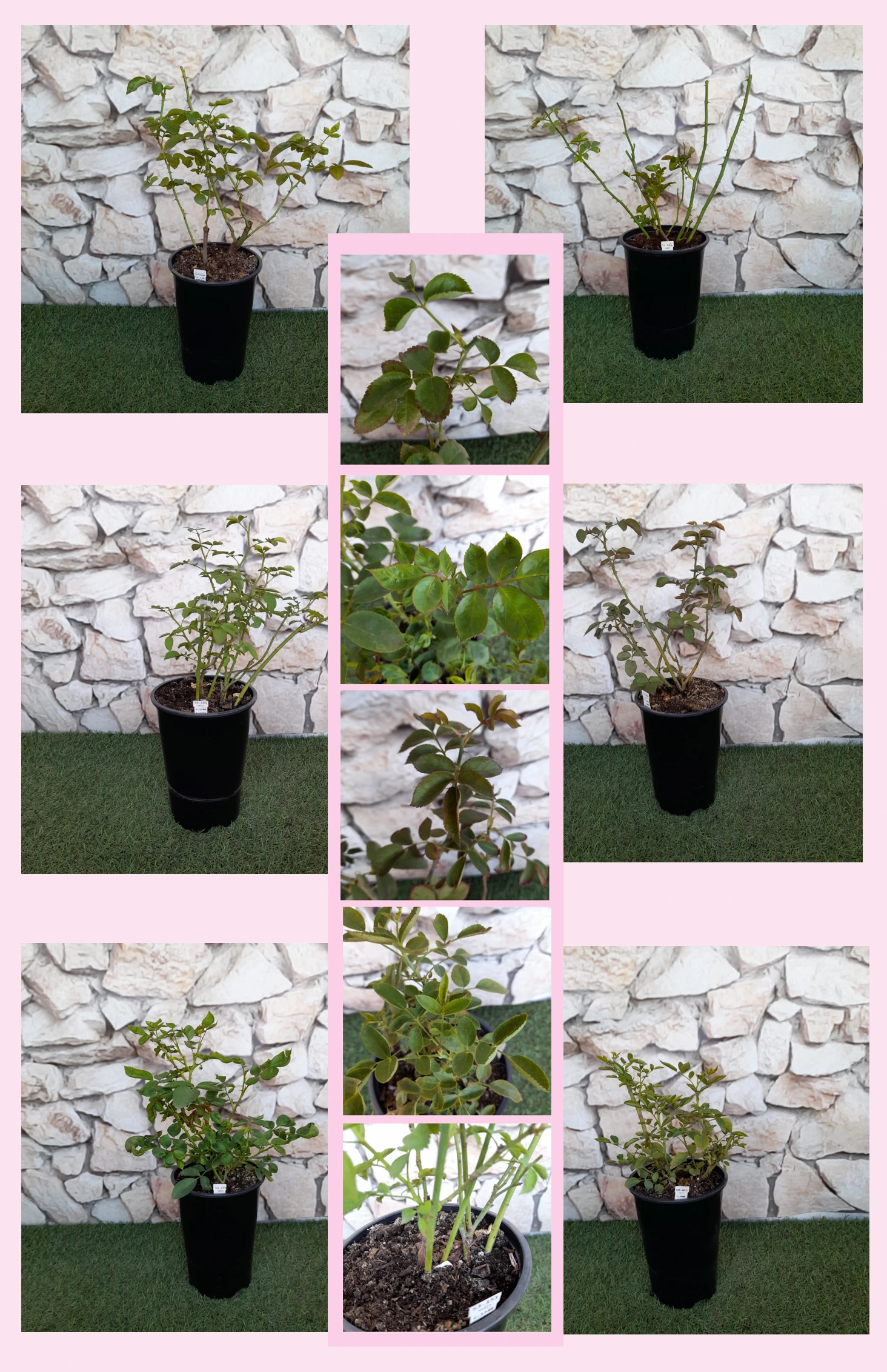
Imagine afternoon tea beneath a rose-covered arbour, where romantic rosettes of warm peach-pink gather in relaxed clusters and create an intimate, storybook atmosphere. ELIZABETH STUART is an easy-going cottage shrub rose that gives you classic, very double blooms with a fresh, peachy fragrance, yet keeps day-to-day tasks pleasantly manageable. Bred for modern gardens, it offers reliable disease resistance and copes well with blustery weather and typical British showers, even in exposed, coastal situations with good soil preparation. Grown on its own roots, it builds strength steadily and is naturally long lived, regrowing cleanly from the base if ever cut back hard. In its first year it concentrates on roots, the second on framework and shoots, and by the third year it settles into its full ornamental presence as a mature, bushy shrub. Its bushy, upright habit is ideal for family gardens where you want lasting charm without complicated rose care.
Usage options
| Target area | Reasoning |
|---|
| Cottage-style mixed border by a terrace or seating area |
The bushy, upright habit to around 100–140 cm and dense, glossy foliage make this rose a natural focal point near outdoor seating, where its nostalgic peony-like blooms and gentle, fresh-peach fragrance can be appreciated at close quarters over a long season; its own-root vigour supports a long-lived, stable presence for romantic cottage gardeners |
| Low informal hedge along a path or drive |
Regular clusters of warm peach-pink flowers repeat well through summer, so a row of plants at 50 cm spacings forms an attractive, soft-edged boundary that looks full without strict pruning; the robust shrub framework and reliable regrowth from the base give a durable hedge line for family home owners |
| Feature shrub in a small to medium family lawn |
Planted as a specimen at around 90 cm distance from other shrubs, it develops into a rounded, medium-height bush that draws the eye without overwhelming the space, combining dark, glossy foliage with richly petalled blooms; own-root growth ensures good recovery from accidental knocks or harder trimming for busy family gardeners |
| Raised bed on heavier clay or chalky soil |
Where soils are heavier or more alkaline, planting into a prepared, free-draining raised bed helps the root system establish and support continuous flowering; its resilient constitution and own-root base make it a dependable choice for sites that may see strong winds and frequent rain near the coast, offering reassuring performance for practical garden planners |
| Large container on patio or balcony (40–60 litre) |
In a generous pot of at least 40–50 litres, its upright, compact spread and repeat-flowering clusters suit doorways and patios, providing months of nostalgic colour and a gentle scent with only occasional deadheading and routine watering; the own-root form minimises long-term decline, giving better value for urban balcony owners |
| Traditional rose and kitchen garden combination |
This shrub’s romantic, rosette blooms and moderate height allow it to sit comfortably among herbs, vegetables and classic perennials, creating an English kitchen-garden feel without demanding intensive spraying or complex pruning, thanks to good disease resistance and steady, structural growth preferred by country cottage keepers |
| Cut-flower corner for home arrangements |
The large, very double, cluster-flowered heads provide many stems suitable for vases, with buds opening from a pale peach-cream to a full, soft peach-pink; the sturdy shoots and repeat flowering mean you can cut regularly while the plant regrows reliably from its own-root framework, offering generous stems for home flower arrangers |
| Low-maintenance family play garden border |
Good resistance to black spot, mildew and rust reduces the need for chemical treatments, while moderate thorniness, tidy structure and weak self-cleaning simply call for occasional deadheading when convenient; the shrub’s long-term robustness from its own roots suits busy households wanting attractive, unfussy planting for time-pressed parents |
Styling ideas
- Arbour-draped – Plant ELIZABETH STUART in pairs at each side of a wooden arbour, underplanting with lady’s mantle and soft grasses for a hazy, romantic base – ideal for lovers of storybook garden entrances
- Kitchen-border – Combine with herbs, verbena and low hedging to frame vegetable beds, echoing traditional potager style while keeping care straightforward – suited to home cooks who like cutting fresh stems
- Pastel-ribbon – Line a path with repeated shrubs and fountain grass for a peach-and-green ribbon of colour that needs only light shaping – perfect for families wanting gentle formality without high upkeep
- Patio-centrepiece – Use a single plant in a 50–60 litre clay pot with trailing thyme and violas at the rim to create a long-season focal point – ideal for small-plot and balcony gardeners
- Storybook-nook – Group three shrubs near a bench, interplanting with soft perennials in cream and blush for an enveloping seating corner – best for those who treasure quiet, romantic garden moments
Technical cultivar profile
| Parameter | Data |
|---|
| Name and registration |
ELIZABETH STUART Générosa® MASelstu; shrub nostalgia rose in the Romantic rose group; registered as MASelstu, introduced in 2003; ARS exhibition name ELIZABETH STUART for garden and park display. |
| Origin and breeding |
Bred by Dominique Massad for Roseraies Guillot, France, with parentage not publicly disclosed; bred and registered in 2003, first distributed by Guillot as part of the Générosa® collection for nostalgic gardens. |
| Growth and structural characteristics |
Bushy, upright shrub reaching about 100–140 cm high and 65–95 cm wide, with dense, dark green, glossy foliage and moderate prickles; forms a well-branched framework suitable for hedging, borders and specimen planting. |
| Flower morphology |
Large, very double rosette blooms, typically more than 40 petals, borne mostly in clusters; remontant with a strong second flush after the main flowering; weak self-cleaning so spent blooms may need occasional deadheading. |
| Colour data and phenology |
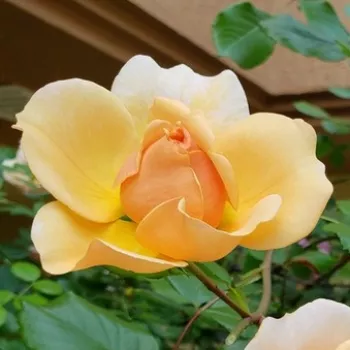
Warm peach-pink flowers (RHS 36C–36D) open with slightly deeper inner petals, then fade gently to creamy peach with a soft pink margin; overall effect is a pastel, nostalgic tone that maintains charm as blooms mature. |
| Fragrance and aroma |
Fresh, mild fragrance with a light peachy character; scent is noticeable at close range, especially in still, warm weather, complementing the nostalgic bloom form without becoming overpowering in small seating areas. |
| Hip characteristics |
Produces moderate numbers of small, spherical hips around 9–15 mm in diameter; hips colour to orange-red and add discrete ornamental interest in late season if some spent blooms are left uncut on the plant. |
| Resistance and winter hardiness |
Classed as resistant to powdery mildew, black spot and rust; suited to typical UK conditions with RHS H7 rating and hardiness to about –21 to –18 °C, tolerating cold winters with standard garden protection where needed. |
| Horticultural recommendations |
Best in full sun with fertile, well-drained soil; water during dry spells as heat and drought tolerance is moderate; space plants 50–90 cm apart depending on use; prune flexibly from light shaping to harder rejuvenation as required. |
ELIZABETH STUART Générosa® MASelstu offers nostalgic pastel blooms, reliable disease resistance and adaptable shrub form on a durable own-root base; a considered choice for creating a long-lived, romantic corner in your garden.