FELBERG'S ROSA DRUSCHKI – pink park rose - Felberg-Leclerc
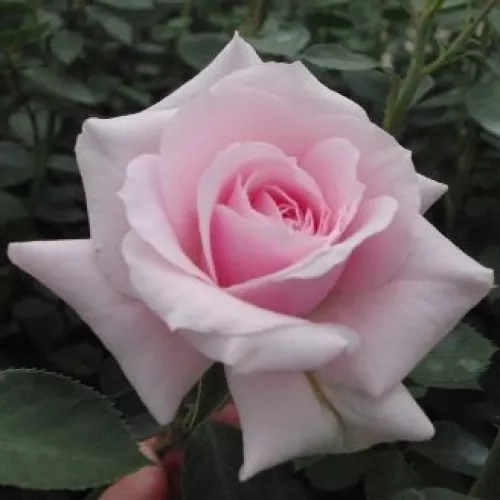
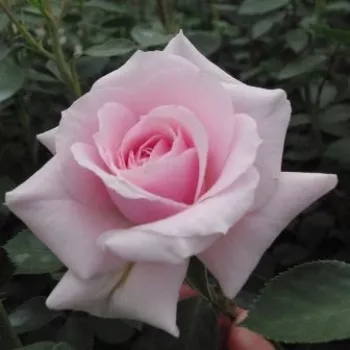
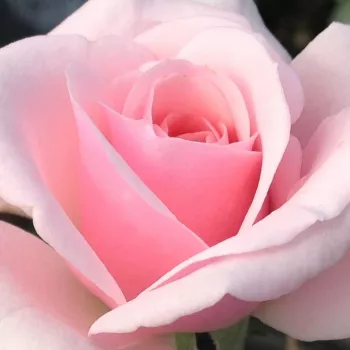
Bring a touch of storybook romance to your garden with FELBERG'S ROSA DRUSCHKI, a tall, upright shrub rose that forms an elegant flowering backdrop for cottage borders and family lawns. Its remontant, cluster-flowered blooms deliver generous colour in waves, from rich deep pink to soft pastel tones as the flowers mature, creating a constantly changing display that feels made for afternoon tea under an arbour. As an own-root rose it offers reassuring longevity, rebuilding from its base after harder pruning and settling ever more securely year by year, while a well-established root system helps it stand firm in wind-exposed, rain-washed gardens. Medium maintenance and moderate disease resistance keep routine care manageable, with most attention focused on occasional deadheading and shaping rather than complex regimes. In borders or large 40–50 litre containers its upright structure and dark green foliage frame the pink flowers beautifully, fitting naturally into “girly” English cottage schemes with lavender, campanula and kitchen-garden planting. Over time it becomes a reliable anchor plant in small and medium family gardens, rewarding patient planting with an increasingly impressive presence.
Usage options
| Target area | Reasoning |
|---|
| Romantic cottage-style shrub border |
The tall, upright habit and repeat-flowering clusters give a classic, old-fashioned rose look that suits traditional front gardens and cottage-style borders, where its deep to pastel pink bloom cycle creates a soft, romantic backdrop for lovers of cottage gardens |
| Specimen rose on a lawn or near a terrace |
Planted at the recommended wider spacing, this variety develops into a statuesque shrub with medium-strength, sweet fragrance, ideal as a single focal point where you can walk around it and enjoy both its form and scent as a feature for homeowners seeking a statement rose |
| Informal flowering hedge between garden areas |
The suggested hedge spacing allows plants to knit together into a loose, flowering screen, with moderately dense, dark green foliage and repeat blooming providing seasonal privacy and gentle structure that works well for families wanting soft garden boundaries |
| Mixed border with perennials and lavender |
Its park-shrub vigour and upright growth let it rise above lower companions like lavender and bellflowers, while the cool-toned pink harmonises easily with purples, blues and silvers to build a cohesive planting for gardeners planning coordinated borders |
| Large container on patio or beside a seating area |
In a 40–50 litre pot with good drainage this shrub rose forms a vertical accent with repeat flowers and noticeable fragrance close to eye level, offering a traditional rose experience even where ground space is limited for busy urban balcony and patio owners |
| Family garden with occasional, simple maintenance |
Medium maintenance needs and moderate disease resistance keep care down to basic tasks such as watering in dry spells and deadheading, while own-root growth supports a long-lived plant that gradually improves over the first few seasons for beginners wanting easy structure |
| Long-term park-style or larger planting |
Designed as a park and shrub rose with a long lifespan, it can be used in lower-density schemes where its height, moderate thorniness and stable framework create lasting structure, contributing to sustainable planting plans for designers seeking durable shrubs |
| Border in exposed, rainy or breezy positions |
The sturdy, upright framework and developing own-root system help it anchor well, coping with gardens where wind and frequent rain would flatten weaker plants, and its form remains tidy with occasional pruning that suits owners of coastal or open plots |
Styling ideas
- Cottage Backdrop – use in the rear of a mixed border with foxgloves, campanula and hardy geraniums to create a tiered, romantic wall of pink – perfect for lovers of traditional English cottage gardens
- Lawn Centrepiece – plant a single shrub in the middle of a small lawn with a simple brick or gravel ring around it to highlight its upright form – ideal for homeowners wanting one striking rose focus
- Soft Hedge – line a path or divide a kitchen garden with a loose hedge, underplanting with lavender for scent and pollinator interest at lower level – suited to families who like gentle, flowery boundaries
- Patio Parlour – grow in a generous 50 litre terracotta pot with trailing thyme and violas at the base, placing it near seating to enjoy fragrance on summer evenings – great for busy urban gardeners with limited beds
- Park-Style Grouping – plant in small drifts in a larger garden, mixed with ornamental grasses for movement and seasonal texture – a strong choice for gardeners aiming at relaxed, long-term park-style planting
Technical cultivar profile
| Parameter | Data |
|---|
| Name and registration |
Felberg's Rosa Druschki, shrub / hybrid perpetual park rose, ARS exhibition name Felberg’s Rosa Druschki; unregistered cultivar used under long-standing trade designations. |
| Origin and breeding |
Hybrid of ‘Frau Karl Druschki’ × ‘Farbenkönigin’, bred by Johannes Felberg-Leclerc in Germany in 1925, introduced by Hazlewood Bros. Pty. Ltd. in 1931 as a robust shrub rose. |
| Growth and structural characteristics |
Upright park-shrub habit, around 150–220 cm tall and 90–140 cm wide, moderately thorny stems and moderately dense, slightly glossy dark green foliage forming a solid vertical presence. |
| Flower morphology |
Large, double, goblet to chalice-shaped blooms with 26–39 petals, borne mainly in clusters; remontant with a particularly plentiful second flush after the main summer flowering. |
| Colour data and phenology |
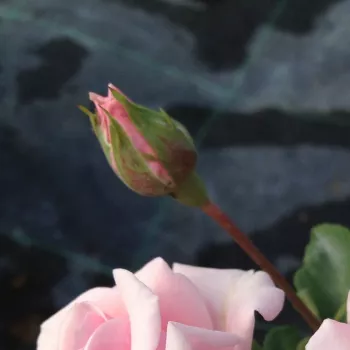
Cool, deep pink blooms (ARS DPk; RHS 66C outer, 65D inner) with raspberry-pink buds; colour softens to pastel lilac-pink as flowers age, holding best in cooler, less intense sunshine. |
| Fragrance and aroma |
Medium-strength, delicately sweet fragrance typical of traditional garden roses, noticeable near seating areas or when used as a cut flower, adding an olfactory layer to cottage-style schemes. |
| Hip characteristics |
Rosehip production limited by double flowers; where formed, hips are small, spherical, red and approximately 8–13 mm in diameter, adding modest late-season interest without heavy seeding. |
| Resistance and winter hardiness |
Hardy to approximately −21 to −18 °C (RHS H7, USDA 6b, Swedish Zone 3), with medium resistance to powdery mildew, black spot and rust, needing occasional monitoring in humid summers. |
| Horticultural recommendations |
Best in full sun with regular watering in prolonged dry spells, prefers well-drained soil; allow 100–180 cm spacing depending on hedge or specimen use, and deadhead to encourage repeat flowering. |
FELBERG'S ROSA DRUSCHKI offers tall, romantic pink blooms, a sturdy upright shrub form and long-lived own-root dependability for family gardens; consider it if you are planning a lasting, traditional rose feature.