FERDINAND PICHARD – pink historic perpetual hybrid rose - Tanne
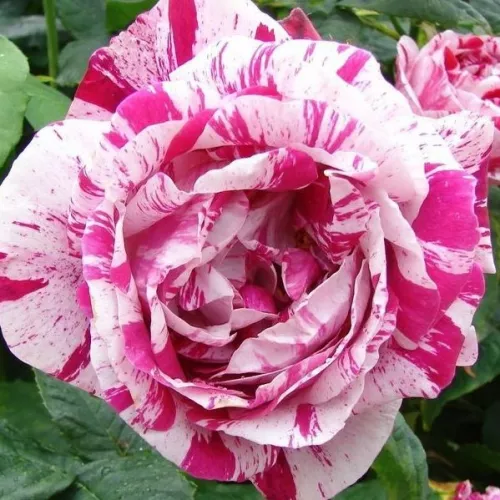
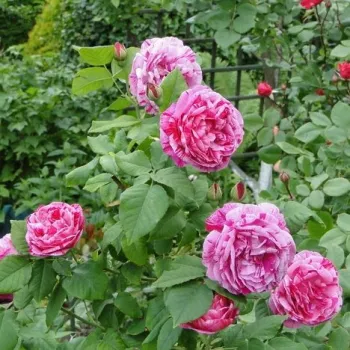
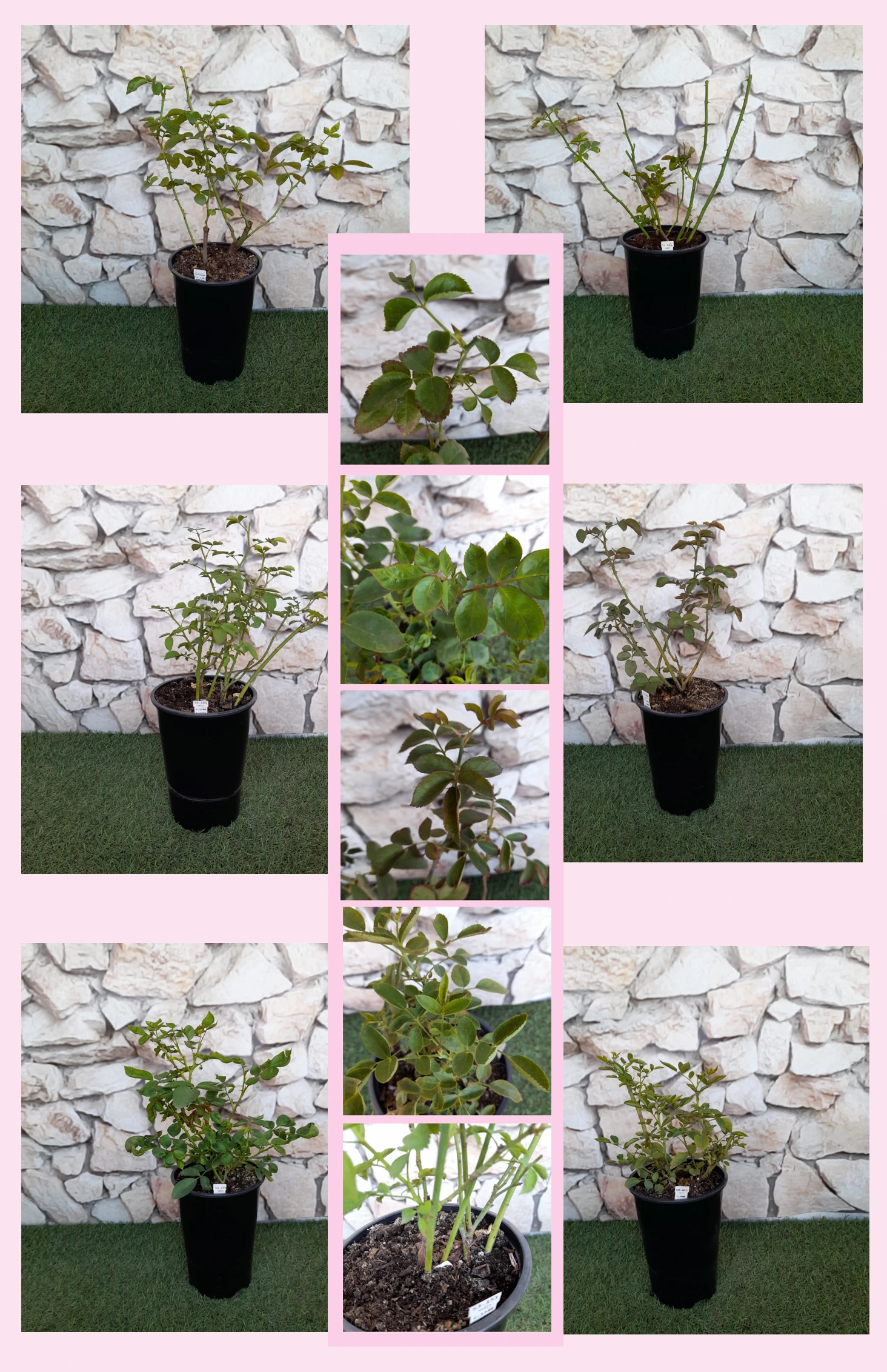
With its striped, painterly blooms and strong fragrance, FERDINAND PICHARD turns a small family garden into a storybook corner of Normandy, ideal for relaxed afternoon tea beneath an arbour. This historic Hybrid Perpetual thrives particularly well where gardens see frequent breezes and passing showers, naturally suiting more exposed sites that often feel coastal. The bushy, upright habit creates a generous hedge or specimen, while remontant flowering gives a rewarding season of colour. Medium care needs remain straightforward thanks to its moderate, reliable health, and own‑root planting supports a long‑lived, steadily maturing structure. Over the first few years the plant settles in, first building roots, then stronger shoots, before revealing its full ornamental character in the third year, becoming a comfortable, enduring presence in a cottage‑style border.
Usage options
| Target area |
Reasoning |
| Main cottage-style flower bed in a family garden |
The remontant flowering and generous bloom size give a long, romantic season of colour in the heart of the garden, matching informal plantings of perennials and herbs without demanding expert care – ideal for the hobby gardener. |
| Informal flowering hedge along a boundary or path |
Its upright, bushy habit and 120–180 cm height form a soft, living screen, with stripy blooms and fragrance creating a storybook walkway while own‑root stamina supports a hedge that matures gracefully – reassuring for the family buyer. |
| Feature rose by a seating area, pergola or arbour |
Strong, classic fragrance and striking, painterly flowers make this cultivar ideal beside a bench or pergola, enhancing afternoon tea moments while moderate care needs suit those wanting beauty without fuss – perfect for the romantic homeowner. |
| Specimen rose in a traditional front garden |
Historic character, RHS Award of Garden Merit credentials and reliable structure give a dignified, long‑lived focal point near the door, anchoring smaller plots with a sense of permanence – appealing to the traditionalist. |
| Mixed border in partial shade |
Tolerating partial shade, it performs well where sun is limited by neighbouring houses, still giving colour and scent amongst shrubs and perennials, fitting many British family plots – reassuring for the urban gardener. |
| Raised bed or improved heavy clay soil |
The robust root system of an own‑root plant establishes reliably in enriched or raised clay beds, coping with breezy, rain‑washed conditions common in many regions, including more exposed gardens – helpful for the practical planner. |
| Large container on terrace, patio or courtyard |
Planted in a generously sized 40–50 litre container, its upright habit and repeat flowering create a portable, romantic accent where border space is scarce, while structured own‑root growth rewards patient, basic care – suited to the busy owner. |
| Cutting corner for scented indoor arrangements |
Long‑stemmed, large, full flowers with strong fragrance make excellent, traditional vase material, allowing regular cutting without compromising the shrub’s form once established, particularly rewarding for the cottage‑style enthusiast. |
Styling ideas
- Cottage Stripe Border – Combine with lavender, catmint and Mexican daisy to echo its pink and carmine striping, creating a soft, shimmering edge along a lawn – for lovers of relaxed English cottage style.
- Romantic Hedge Walk – Plant in a loose row with box or yew behind for structure and pale foxgloves in front, forming a scented corridor – for families wanting a storybook path to the back garden.
- Tea‑Time Arbour – Use as free‑standing shrubs at the feet of a simple wooden arbour, underplanting with creeping bugle and goldmoss stonecrop for a lush base – for those dreaming of afternoon tea outdoors.
- Victorian Front Garden – Mix with old-fashioned perennials such as delphiniums and hardy geraniums around a central lawn, letting its historic form and fragrance anchor the scene – for admirers of period character homes.
- Patio Feature Pot – Grow one plant in a 50 litre terracotta container with airy grasses and herbs around it, bringing colour and scent to a small paved space – for balcony and courtyard gardeners short on borders.
Technical cultivar profile
| Parameter |
Data |
| Name and registration |
Hybrid Perpetual heritage rose, historic perpetual hybrid rose type; trade name FERDINAND PICHARD – Tanne; American Rose Society exhibition name FERDINAND PICHARD; unregistered cultivar. |
| Origin and breeding |
Bred by Rémi Tanne, France, introduced 1921 by Eugène Turbat & Cie; parentage unknown; developed as a traditional garden and exhibition rose in the Historical rose group. |
| Awards and recognition |
Holds the Royal Horticultural Society Award of Garden Merit (1993); American Rose Society Victorian Certificate (1998, 2000, 2001); Best Old Garden Rose, Rosexpo Montréal (1999). |
| Growth and structural characteristics |
Upright, bushy shrub reaching about 120–180 cm tall and 100–150 cm wide, with moderately dense, slightly glossy light to mid‑green foliage and moderate prickliness on the shoots. |
| Flower morphology |
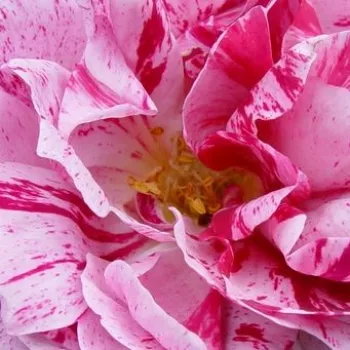
Large, full, cup‑shaped flowers, usually solitary; approximately 26–39 petals; remontant with a good second flush; weak self‑cleaning, so spent blooms may need occasional deadheading for neatness. |
| Colour data and phenology |
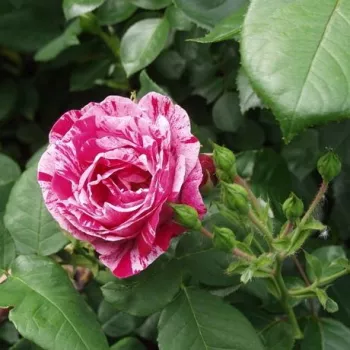
Pale pink ground with vivid carmine‑red striping; buds deep pink with marbling; colour may fade and striping blur in strong sun; RHS 62D outer, 60A inner; typical Hybrid Perpetual flowering rhythm. |
| Fragrance and aroma |
Strong, classic rosy perfume of long duration, noticeable both on the bush and as a cut flower; double blooms partly cover stamens, so ornamental value is prioritised over pollinator access. |
| Hip characteristics |
Produces small, ovoid orange‑red hips only occasionally, around 12–18 mm in diameter, adding modest late‑season interest but not usually a dominant ornamental feature of the plant. |
| Resistance and winter hardiness |
Hardy to about −32 to −29 °C (RHS H7, USDA 4b, Swedish zone 5); powdery mildew resistant; moderate susceptibility to black spot and rust; performs best with regular watering in dry spells. |
| Horticultural recommendations |
Suitable for beds, hedges, specimen and park plantings, and as a cut flower; prefers well‑drained but moisture‑retentive soil; plant at 110–200 cm spacing depending on hedge or solitary use. |
FERDINAND PICHARD offers romantic repeat flowering, strong fragrance and a resilient, long‑lived own‑root habit, making it a considered choice for those wishing to enrich a traditional garden with enduring character.