FLAME DANCE – red climbing rose - Kordes
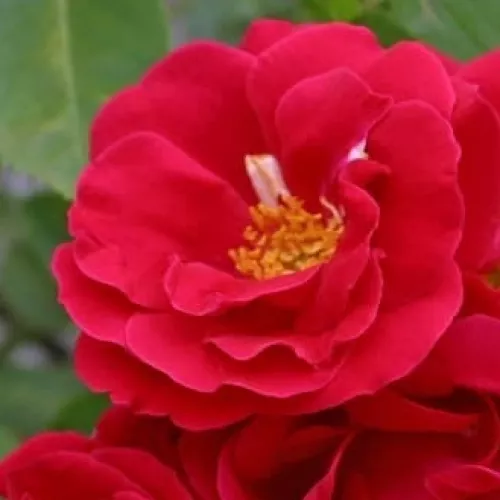
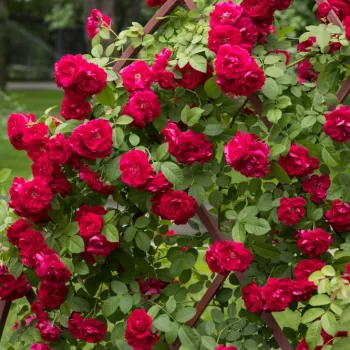
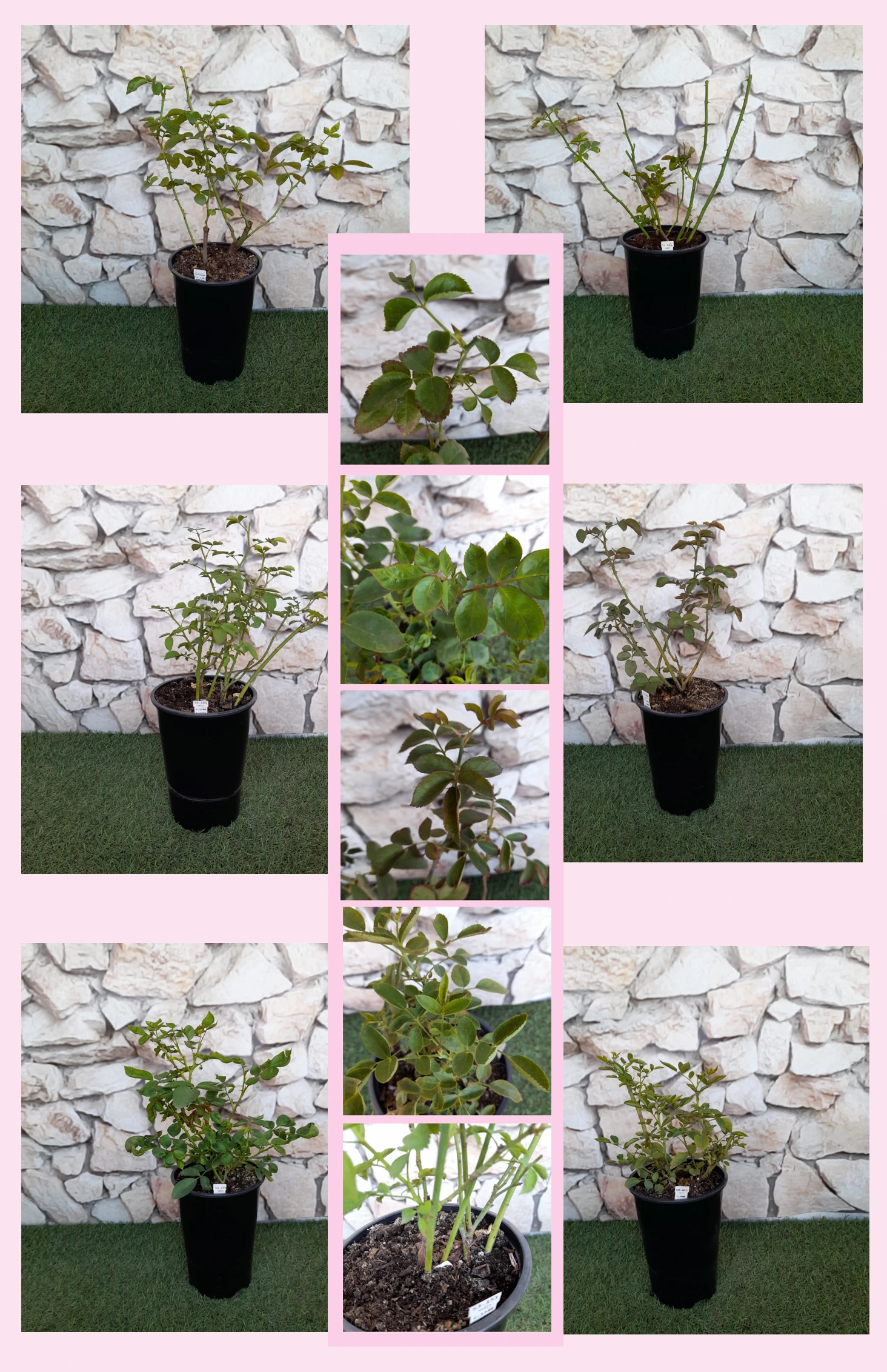
With its vivid, storybook red blooms, Flame Dance brings an instant sense of romance to family gardens, clothing arches and fences in a wave of colour and scent. This classic Kordes climber combines a reliable climbing habit with clusters of semi-double flowers that are naturally pollinator-friendly, helping bees and other beneficial insects find their way into your cottage-style borders. The pleasantly spicy-sweet fragrance and dense, mid-green foliage create a cosy, enclosed feeling, ideal for afternoon tea beneath an arbour or pergola where you can enjoy its long flowering season. Own-root production offers reassuring longevity and easier recovery if the top growth is ever damaged, supporting a dependable, long-term garden feature that suits busy households. In exposed or coastal gardens it anchors securely and copes well with breezy, unsettled weather, especially when trained on sturdy supports. Over time, this 2-litre plant matures from a young, establishing rose into a richly clothed vertical accent, adding real character and charm to typical UK family plots.
Usage options
| Target area | Reasoning |
|---|
| Arbour or pergola in a family seating area |
Its strong climbing habit and generous height allow you to roof an arbour or pergola with vivid red blooms, creating shade and a romantic retreat for everyday use; an ideal choice for those seeking a cosy, storybook corner for beginners. |
| Traditional cottage-style house wall |
Trained on wires or a trellis, it clothes walls with dense mid-green foliage and clusters of red flowers, softening brick or render and enhancing period or cottage-style homes; well suited to homeowners who value classic looks with long-term structure for families. |
| Garden arch over a path or gate |
Flowering from medium-sized, semi-double clusters, Flame Dance frames entrances beautifully and welcomes you with colour and a spicy-sweet scent as you pass underneath, ideal for creating a sense of arrival for romantics. |
| Fence line in a kitchen or utility garden |
Its dense framework and foliage make an effective vertical screen, giving privacy behind washing lines or vegetable beds while still looking decorative, a practical solution for small to medium plots managed by busy-owners. |
| Feature climber in a mixed cottage border |
The rich deep red, velvety-looking flowers combine easily with white, pink or blue perennials, giving a strong colour focus that ties a traditional cottage border together for many seasons, appreciated by colour-conscious gardeners. |
| Container-grown climber on a sturdy terrace support |
In a large 40–50 litre container with good drainage, it can be trained up an obelisk or pillar to bring height and romance to patios or balconies, appealing to space-limited town-dwellers. |
| Wildlife-friendly corner near lawn or play area |
Semi-double flowers with exposed stamens offer accessible pollen, drawing bees and hoverflies close to everyday family spaces without demanding complex care, a gentle way to support nature-loving children. |
| Exposed, breezy boundary in need of structure |
Once established, its robust canes, good heat tolerance and secure root system give a lasting, anchored framework that copes well with typical British winds and showers, especially in more open gardens, reassuring for cautious beginners. |
Styling ideas
- Arbour-Romance – Train Flame Dance over a timber arbour, underplant with lavender and catmint, and place a small bistro set beneath for afternoon tea – for couples or families wanting a quietly romantic escape.
- Cottage-Front – Fan the climber against a sunny house wall, mixing with foxgloves and hardy geraniums at the base – for those who favour a traditional English frontage with strong period character.
- Kitchen-Hedge – Run it along a wire fence beside herbs and vegetables, letting the red blooms backdrop herbs like rosemary and sage – for home cooks who enjoy a productive yet pretty kitchen garden.
- Patio-Column – Grow in a 50 litre half-barrel with a metal obelisk, pairing with trailing thyme and violas at the rim – for balcony and terrace owners seeking vertical colour without losing floor space.
- Wildlife-Nook – Combine with verbena, salvia and single dahlias in a sunny corner so bees and hoverflies move freely between flowers – for nature-focused gardeners creating a soft, informal habitat.
Technical cultivar profile
| Parameter | Data |
|---|
| Name and registration |
Flame Dance Climbing rose KORflata; registered as KORflata, ARS exhibition name Flammentanz, large-flowered climber type within the climbing rose commercial group. |
| Origin and breeding |
Bred by Wilhelm J. H. Kordes II (W. Kordes’ Söhne) from Rosa eglanteria × Rosa kordesii; introduced by W. Kordes’ Söhne in Germany in 1955. |
| Awards and recognition |
Holds the historic German ADR distinction (1952 listing), reflecting proven garden performance and ornamental value under central European trial conditions. |
| Growth and structural characteristics |
Vigorous climbing habit reaching around 240–400 cm high with a 100–200 cm spread; dense, mid-green slightly glossy foliage and strongly thorned canes provide a solid framework. |
| Flower morphology |
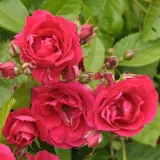
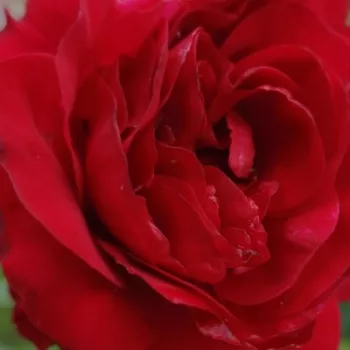
Semi-double, cup-shaped medium blooms with approximately 13–25 petals, borne in clusters; remontant with a main flush followed by lighter repeat flowering later in the season. |
| Colour data and phenology |
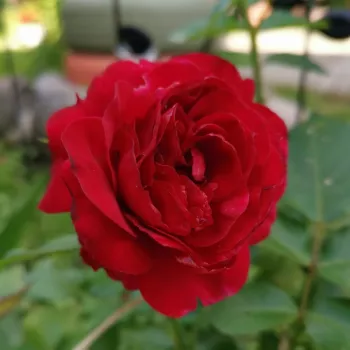
Vivid deep red flowers (RHS 53A outer, 53B inner); colour holds well, shifting from scarlet to dark cherry-red with a subtle dark veil towards the end of flowering. |
| Fragrance and aroma |
Pleasantly spicy-sweet fragrance of medium strength, perceptible in still air and most noticeable when flowers are fully open during the main flowering period. |
| Hip characteristics |
Rosehip formation is generally sparse; occasional egg-shaped orange-red hips, approximately 18–26 mm in diameter, may appear after flowering in favourable seasons. |
| Resistance and winter hardiness |
Fully hardy to about −29 to −26 °C (RHS H7, USDA 5a, Swedish zone 4); heat tolerant but needs watering in prolonged drought; disease resistance moderate to low, requiring regular protection. |
| Horticultural recommendations |
Best in full sun on well-drained soil; train on pergolas, arches, fences or walls; allow 140–225 cm spacing; remove spent flowers and maintain a plant protection routine where disease pressure is high. |
Flame Dance Climbing rose KORflata offers romantic red height, pollinator-friendly flowers and long-term structure on a resilient own-root framework, making it a thoughtful choice for gardeners planning a lasting feature.