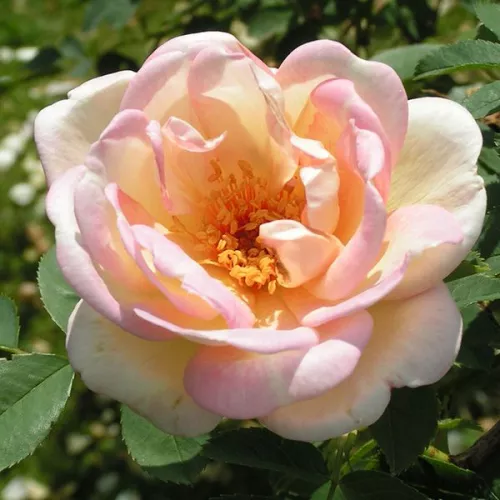
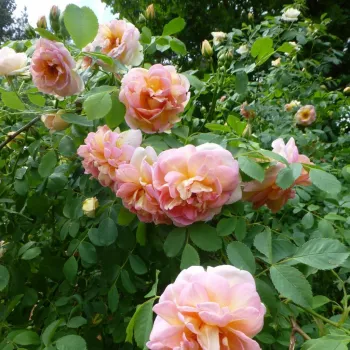
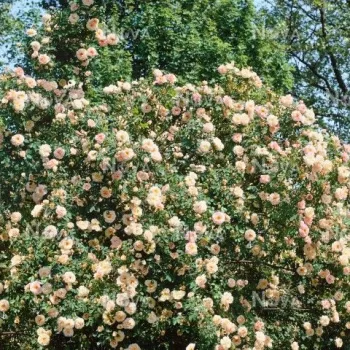
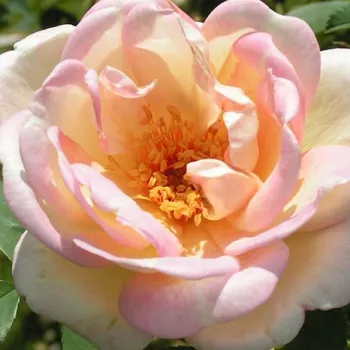
FRÜHLINGSDUFT – cream-yellow wild rose – Kordes
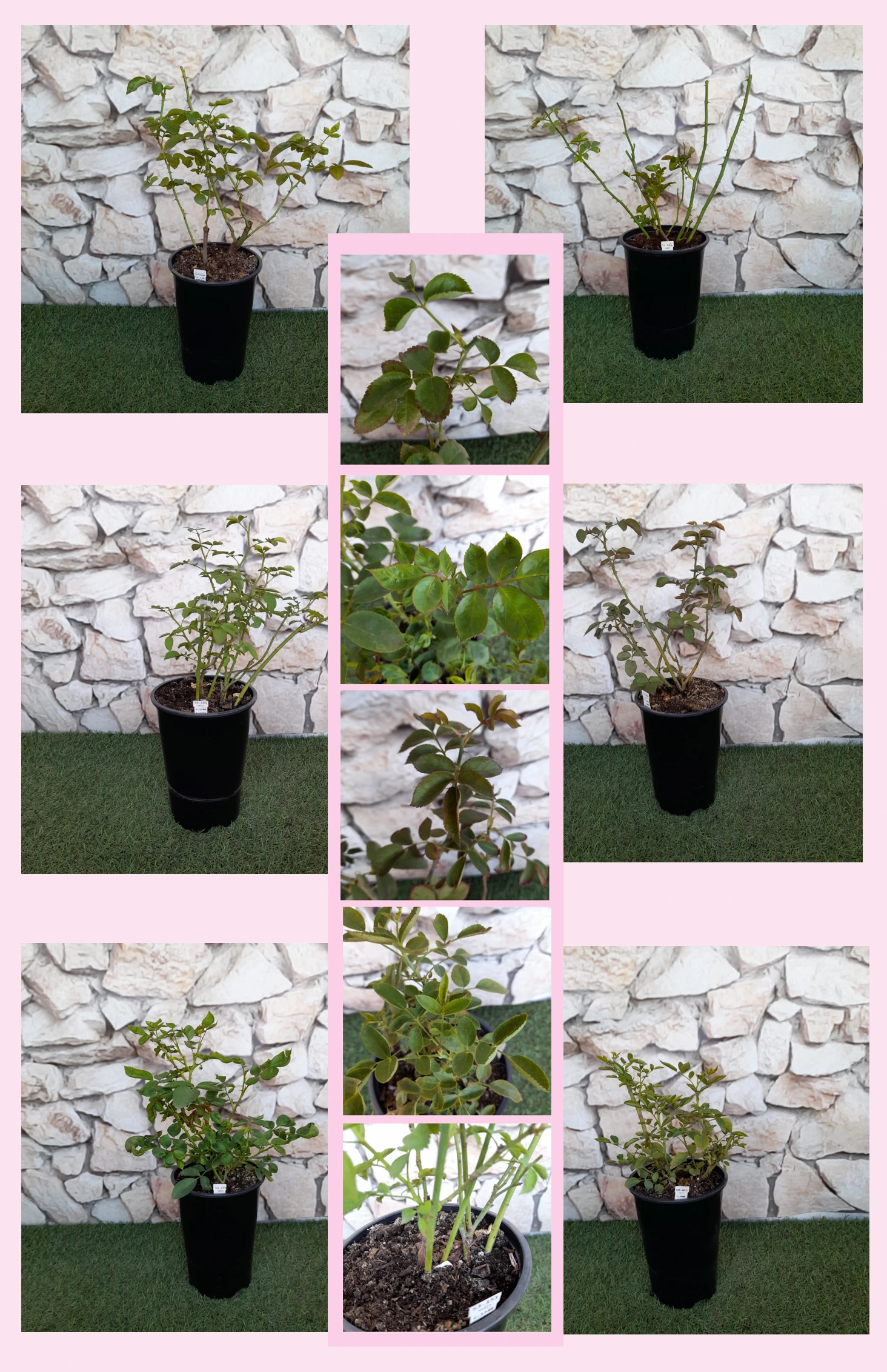
With its tall, arching habit and very strong, room-filling perfume, FRÜHLINGSDUFT brings a sense of romance to any family garden, evoking afternoon tea beneath a rose-draped arbour. This once-flowering shrub forms a dense, bushy framework that delivers a spectacular late-spring display of large, cream-yellow blooms blushed with pink, then rests quietly for the rest of the season with attractive matt mid-green foliage. Own-root planting gives reassuring longevity, steady regrowth after pruning, and dependable shape without complex care, while its good hardiness and heat tolerance suit much of the UK, including breezier gardens where strong roots help anchor plants and cope with exposed, changeable weather. In the first year you will mainly see root development, in the second stronger shoots, and by the third year a full ornamental effect that fits beautifully into cottage-style borders, hedges and pergolas. Medium maintenance and moderate disease resistance mean easy-going management for hobby gardeners, especially when given reasonable air circulation and a well-prepared planting spot in heavier soils.
Usage options
| Target area | Reasoning |
|---|
| Romantic specimen near seating area |
Planted as a single shrub by a bench or terrace, FRÜHLINGSDUFT becomes a spring event in its own right, with tall, arching stems and large, scented blooms creating a storybook focal point that needs only light annual pruning for beginners. |
| Loose flowering hedge along a boundary |
Its height and dense foliage lend themselves to a soft, informal hedge that screens neighbouring plots while offering a cloud of cream and pink flowers in late spring; simple clipping after flowering keeps it in check for family buyers. |
| Pergola or arch for cottage-garden entrances |
FRÜHLINGSDUFT’s bushy, arching shoots can be gently tied to a pergola or arch, forming a fragrant gateway that suits English-country styling; own-root plants build structure over years without fussy training, suiting time-pressed homeowners. |
| Wall-trained shrub beside doors and windows |
When fan-trained along wires on a sunny or lightly shaded wall, this cultivar creates a curtain of scented blooms that complements brick or stone; the once-a-year pruning routine is straightforward for busy urban gardeners. |
| Mixed cottage border with perennials |
Its soft cream-yellow and pink tones blend effortlessly with peonies, lady’s mantle and feverfew, giving an old-fashioned border feel; once the framework is established, routine dead wood removal is all that most hobby gardeners will need. |
| Traditional park-style planting or small orchard edge |
Used in small groups, the tall shrubs create a parkland impression even in modest gardens, providing seasonal drama with minimal spraying thanks to moderate disease resistance, suiting those who prefer reduced-chemical, nature-friendly users. |
| Raised bed or improved heavy soil sites |
FRÜHLINGSDUFT copes well once established in heavier ground when drainage is improved or raised beds are used, making it a practical choice where clays are common and reliable structure is valued by practical-minded garden owners. |
| Large container on patio or roof terrace |
In a very spacious container of at least 40–50 litres with quality compost and regular watering, this shrub gives tall, scented spring flowering without demanding daily attention, offering a romantic focal point for compact-space gardeners. |
Styling ideas
- Cottage Archway – Train FRÜHLINGSDUFT over a narrow arch with herbaceous peonies and foxgloves beneath to create a scented entrance – perfect for lovers of traditional cottage gardens.
- Soft Boundary Hedge – Space shrubs in a loose line, underplant with lady’s mantle and catmint for a billowing, low-maintenance screen – ideal for families wanting gentle privacy.
- Tea-Table Corner – Place a specimen behind a bistro set, adding pots of lavender and violas to enjoy strongly scented spring blossom – suited to balcony and patio owners.
- Kitchen-Garden Backdrop – Use as a tall backdrop behind raised vegetable beds with feverfew and chives at the front for a productive yet romantic feel – appealing to home growers.
- Parkland Grouping – Plant three shrubs in a loose triangle in lawn, with mown paths between, to echo old estate plantings – attractive to those recreating classic country-house style.
Technical cultivar profile
| Property | Data |
|---|
| Name and registration |
FRÜHLINGSDUFT botanical rose, commercial wild rose shrub; ARS exhibition name ‘Fruhlingsduft’; unregistered cultivar used under its long-established trade designation. |
| Origin and breeding |
Hybrid Spinosissima shrub bred by Wilhelm J. H. Kordes II, W. Kordes’ Söhne, Germany, from ‘Joanna Hill’ × Rosa pimpinellifolia; introduced in 1949 for robust garden use. |
| Growth and structural characteristics |
Tall bushy, arching shrub 176–275 cm high and 128–200 cm wide, densely thorned with matt mid-green foliage; moderate self-cleaning, some spent blooms may need manual removal. |
| Flower morphology |
Once-flowering, large, flat, double blooms with 26–39 petals, borne in clusters; main display in late spring, creating a concentrated flush rather than repeat flowering through summer. |
| Colour data and phenology |
Cream-yellow buds with pink-flushed edges open to creamy blooms with buttery-yellow centres; colour lightens to near white with a delicate pink rim; good retention through the flowering period. |
| Fragrance and aroma |
Very strong, classic rosy scent with room-filling intensity in still weather; ideal where fragrance is a priority around paths, seating areas, doorways and other high-traffic garden spots. |
| Hip characteristics |
Hip set is generally sparse; when present, small spherical green hips 9–15 mm rarely ripen fully and have limited ornamental impact, leaving the focus on flowers and foliage. |
| Resistance and winter hardiness |
Hardy to approximately –29 to –26 °C (RHS H7, USDA 5a, Swedish zone 4); good heat tolerance with water in drought; moderate resistance to black spot and powdery mildew, resistant to rust. |
| Horticultural recommendations |
Best as specimen, hedge, pergola or wall-trained shrub; plant 130–210 cm apart; medium maintenance with occasional plant protection; tolerates partial shade; prefers well-drained, improved soil. |
FRÜHLINGSDUFT offers tall, arching structure, sumptuous spring fragrance and romantic colour in an easy-care, own-root form that matures into a long-lived garden feature; consider it if you value characterful roses that quietly earn their place.