GAARD UM TITZEBIERG – lilac-pink park rose - Boudolf
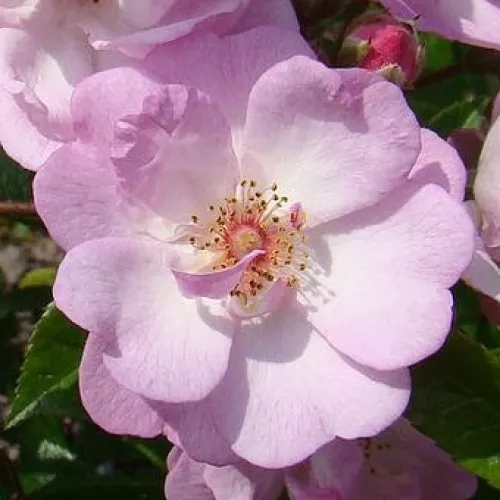
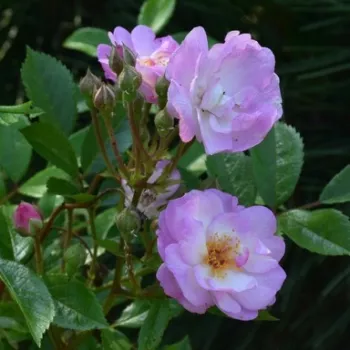
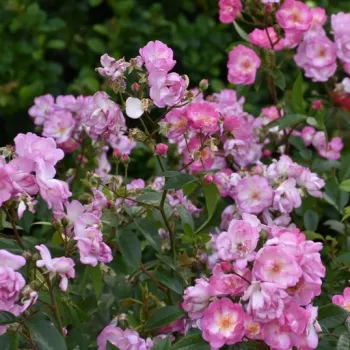
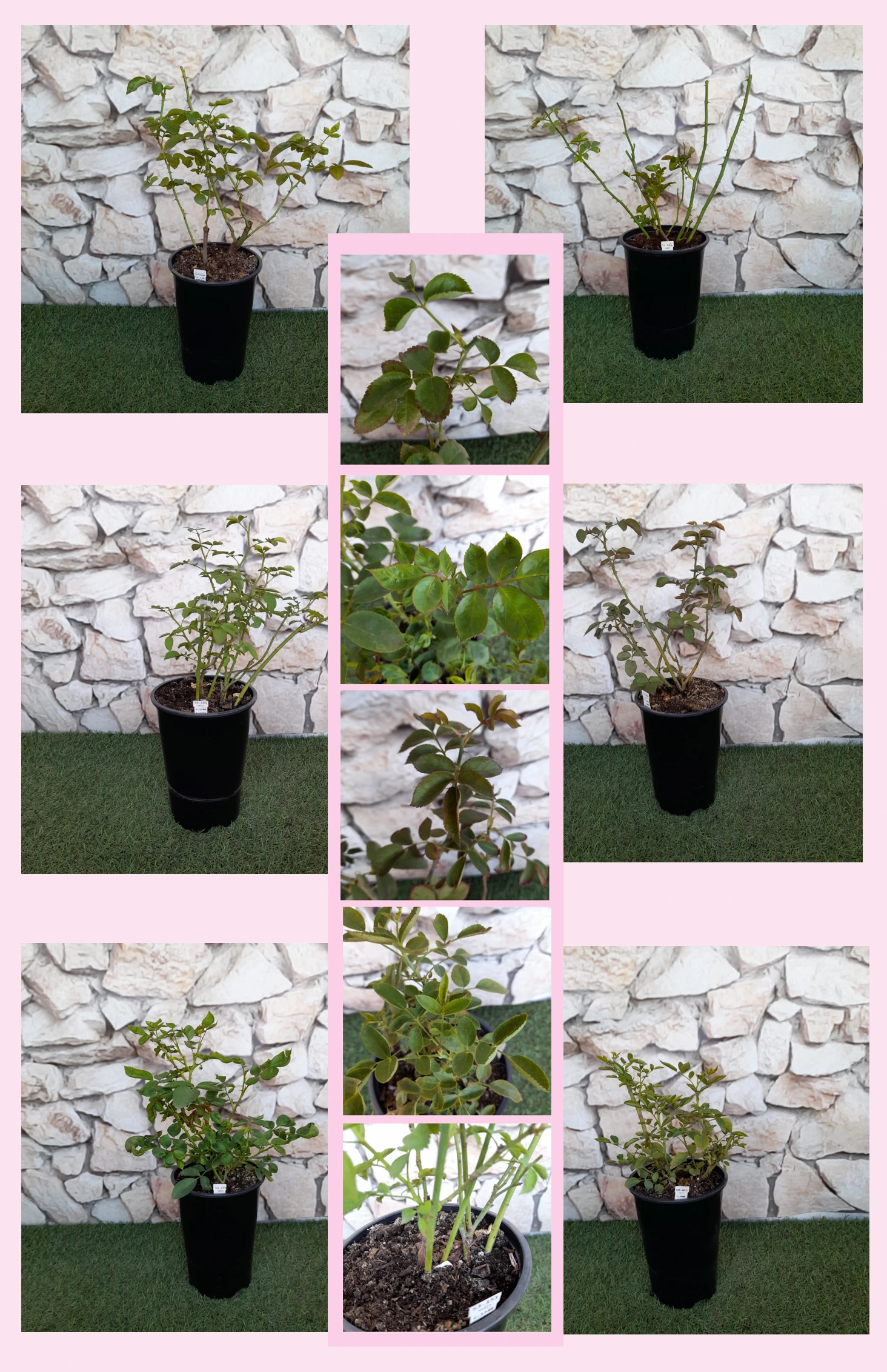
Immerse your garden in a soft, storybook romance with Gaard um Titzebierg, a gently upright Hybrid Musk shrub that brings airy lilac-pink clusters from early summer onwards. Its semi-double flowers have a light, honeyed fragrance and open centres, so bees and other visitors find it naturally welcoming. As an own-root shrub, it offers reassuring longevity, quietly rebuilding from its base if stems are damaged and maturing into a dependable feature over time. It is an easy park-shrub style rose for informal borders, hedging and larger containers, well suited to British gardens where careful planting helps manage wetter soils and strong coastal breezes. Softly shifting pastel tones – from purplish bud to silvery-pink – sit comfortably with cottage perennials and kitchen-garden plantings, giving relaxed harmony through the season. In autumn, abundant orange hips add another layer of interest, especially for birds in a family garden. Over the first three years it steadily builds from root establishment to stronger shoots and finally to its full, graceful ornamental presence. With moderate maintenance needs and sparse thorns for easier handling, Gaard um Titzebierg fits a lifestyle where you want reliable ease rather than constant tasks.
Usage options
| Target area |
Reasoning |
| Cottage-style mixed border by a seating area |
The upright, medium-tall habit and soft lilac-pink clusters create a romantic backdrop to an afternoon tea corner without overwhelming the space, while the mild honey-musk scent remains gentle and unobtrusive near seating – ideal for cottage-garden romantics |
| Informal flowering hedge along paths or boundaries |
At 120–170 cm high with moderately dense foliage and repeat-flowering clusters, it forms a light, see-through hedge that defines boundaries yet keeps a friendly, informal feel, with hips bringing autumn colour for family garden owners |
| Feature shrub in a small to medium family garden |
Its reliable remontant flowering, stable own-root framework and moderate maintenance needs make it a practical focal shrub that improves with age, suiting gardeners who prefer steady performance over many years – especially busy homeowners |
| Large container on terrace or courtyard (40–50 L+) |
The upright growth and moderate spread allow it to thrive in a substantial pot, where regular watering is manageable and pastel blooms soften paving, making it an easy way to enjoy roses without redesigning borders for urban balcony gardeners |
| Near kitchen garden or productive beds |
Semi-double flowers with accessible stamens support some pollinator activity, while the restrained fragrance and pastel tones sit comfortably beside herbs and vegetables, helping link ornamental and productive spaces for kitchen-garden enthusiasts |
| Planted in groups of three for colour impact |
With recommended spacings around 1 m, small groups quickly knit into a loose, flowering mass, giving a billowy effect and reliable colour from early summer onwards with minimal shaping, well suited to low-fuss planters |
| Exposed or breezier garden corners |
The upright framework and own-root anchoring help it cope with livelier conditions when sited and planted thoughtfully, supporting gardeners working in areas where winds and wet spells can be challenging for coastal and hillside residents |
| Cutting for small, informal indoor arrangements |
Although individual blooms are small, airy clusters in pastel tones make charming, relaxed posies, and the mild scent will not dominate indoors, adding a gentle link between garden and home for home-decoration lovers |
Styling ideas
- Pastel-arch – Underplant Gaard um Titzebierg with low Nepeta and pale foxgloves to frame a bench, creating a soft lilac-and-cream arch of colour – for those who enjoy quiet afternoon tea corners.
- Kitchen-edge – Use it as a loose hedge beside herbs, with Erigeron spilling at the front, to blur the line between vegetable beds and ornamentals – for practical gardeners wanting romance near produce.
- Terrace-haven – Grow one plant in a 50 L container with trailing thyme and sedum, softening paving and brickwork – for flat dwellers seeking cottage character on a patio.
- Bird-border – Combine with grasses and late asters so its autumn hips and seedheads feed and shelter wildlife – for families keen to attract birds and insects.
- Showcase-trio – Plant three shrubs in a gentle arc with simple lawn in front, allowing their lilac-pink dome of flowers to read as one feature – for design-conscious owners favouring calm, structured layouts.
Technical cultivar profile
| Parameter |
Data |
| Name and registration |
Shrub, Hybrid Musk park rose; registered as VELverd, marketed as Gaard um Titzebierg – lilac-pink park rose - Boudolf; ARS exhibition name: Gaard um Titzebierg. |
| Origin and breeding |
Bred by Ann Velle Boudolf (Lens Roses, Belgium) from Hybrid Musk and Rosa × moschata lines; introduced and registered in 2005 by Lens Roses and Pépinières Louis Lens SA. |
| Growth and structural characteristics |
Medium-tall, upright shrub 120–170 cm high, 80–130 cm wide, with moderately dense, mid-green, slightly glossy foliage and sparse thorns, suitable for borders, hedges and larger containers. |
| Flower morphology |
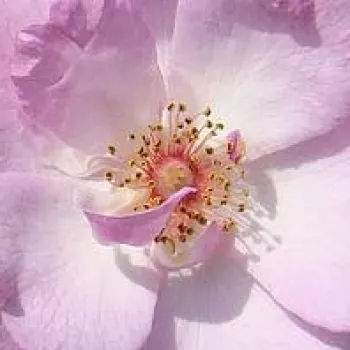
Semi-double, cup-shaped, small flowers (about 0.5–1.5 in) carried in clusters; 13–25 petals; remontant with an especially abundant second flush under normal garden conditions. |
| Colour data and phenology |
Lilac-rose-pink with whitish centres; buds purplish-pink, opening to pastel pink then soft silvery-pink before fading; ARS PB, RHS 65C and 155D; colour retention assessed as very good. |
| Fragrance and aroma |
Mild, restrained scent with honeyed, musky notes; pleasant but not overpowering near seating; semi-double flowers offer partially pollinator-friendly access to stamens. |
| Hip characteristics |
Produces numerous small, spherical orange hips, around 6–9 mm in diameter, decorative in autumn and of interest to birds in wildlife-friendly, low-intervention gardens. |
| Resistance and winter hardiness |
Fully hardy to around −21 to −18 °C (RHS H7; Swedish Zone 3; USDA 6b); disease resistance moderate to powdery mildew, black spot and rust, requiring occasional observation and care. |
| Horticultural recommendations |
Best in full sun with well-drained soil; spacing 90–180 cm depending on use; 1–1.2 plants/m² for massing; moderate maintenance, with periodic pruning and possible pest or disease management. |
Gaard um Titzebierg offers romantic lilac-pink clusters, gentle scent and wildlife-friendly hips on a long-lived own-root shrub, a thoughtful choice if you value easy charm and dependable structure in a family garden.