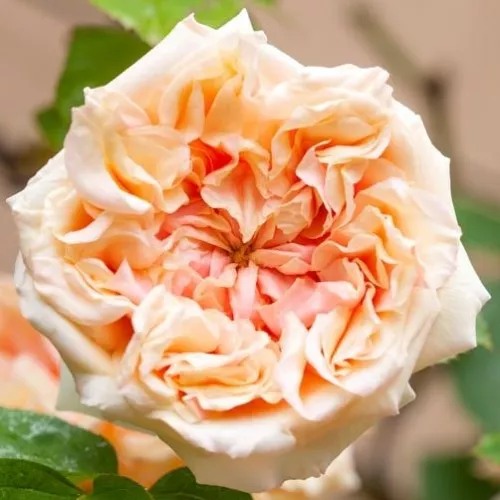
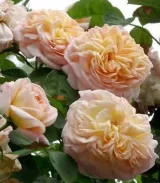
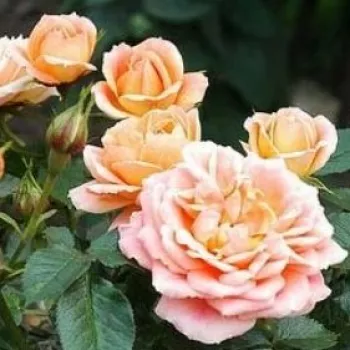
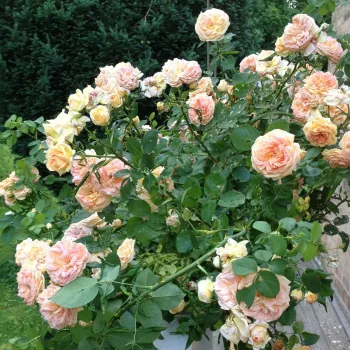
GLOIRE DE DIJON – apricot historic rambler-climbing rose
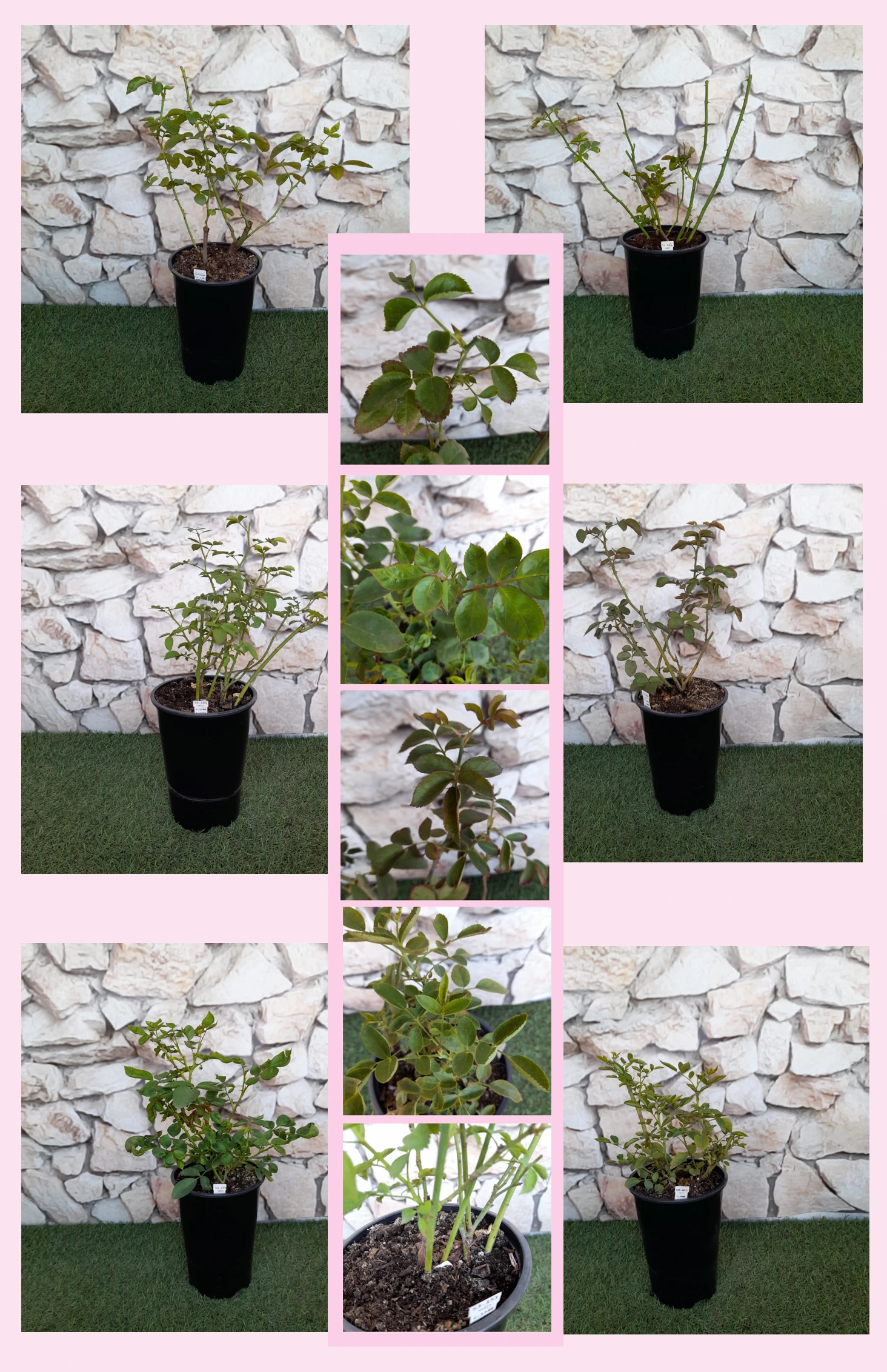
Planted once, Gloire de Dijon becomes a living part of your garden’s storybook charm, clothing arches, arbours and house walls in softly apricot, quartered blooms with a romantic vintage air. This classic Noisette rambler is prized for its fragrance, filling the air with rich tea‑and‑fruit notes that drift through open windows and across the lawn. Its reliable, remontant flowering pattern gives flush after flush from late spring to autumn, and its well‑documented health makes it a quietly dependable choice for busy households. As an own‑root rose it builds a strong framework over time, lending long‑lived character to pergolas even in exposed spots where it copes well with coastal breezes and unsettled weather. Over the seasons you will see roots established in the first year, shoots and structure in the second, and full ornamental impact by the third, with minimal specialist care needed for an enveloping cottage‑garden cosiness.
Usage options
| Target area | Reasoning |
|---|
| Climbing over an arbour or arch |
Long, flexible canes and a naturally climbing habit make this rose ideal for training over arches, arbours and walkways, giving you a traditional cottage‑garden “room” effect with masses of scented blooms overhead – a natural choice for the romantic homeowner. |
| Wall or house façade planting |
Its height and spread allow you to dress a plain wall or house façade in vintage colour; trained on wires, it covers brick or render with apricot rosettes while keeping foliage reasonably neat and manageable – well suited to the busy householder. |
| Low‑maintenance historic feature rose |
Good disease resistance and modest pruning needs make it easy to keep for many years without complex routines, especially valuable where you want a period look with minimal fuss – perfect for the time‑pressed beginner. |
| Family seating area or terrace backdrop |
The very strong, garden‑filling perfume is most appreciated near seating and dining spaces, where repeated flushes provide a scented backdrop for afternoon tea or evening gatherings – ideal for the scent‑loving family. |
| English cottage‑style mixed border |
Soft creamy‑apricot tones blend effortlessly with perennials and herbs, allowing you to create layered, “girly” borders with pastel companions without colour clashes or harsh contrasts – a delight for the cottage‑style enthusiast. |
| Pergola or rose‑walk structure |
Its ability to build a substantial framework on its own roots means it can anchor pergolas and rose‑walks for decades, the woody base regenerating from below if damaged and giving reassuring continuity – valued by the long‑term planner. |
| Partially shaded town garden corner |
Tolerance of partial shade allows planting where buildings or mature shrubs cast light shade, still giving good growth and flowering, so you can soften awkward boundaries and side returns – especially helpful for the urban gardener. |
| Exposed or breezy garden sites |
A resilient framework and reliable health let it cope with blustery, changeable conditions, so trained correctly it performs well where coastal winds and unsettled weather might trouble fussier roses – reassuring for the practical homeowner. |
Styling ideas
- Tea‑time Arbour – Train over a wooden arbour with vintage metal bistro set beneath, underplant with lavender and catmint to echo the fragrance – ideal for lovers of slow afternoon garden rituals.
- Storybook Façade – Clothe a cottage wall with Gloire de Dijon, threading stems around windows and doors, and edge with thyme and geraniums – for those wanting a postcard‑perfect front garden.
- Pastel Rose Walk – Alternate this rose on each side of an archway run, mixing with soft pink and cream climbers for a layered tunnel of bloom – suited to romantics planning a wedding‑photo‑ready path.
- Cream‑and‑Copper Border – Combine with warm‑toned perennials such as rudbeckia and Liatris ‘Kobold’, using the apricot blooms as a gentle bridge between golds and greens – appealing to colour‑confident home gardeners.
- Shaded Retreat – Place a bench against a north‑east fence, train the rose above and surround with ferns and hostas, relying on its partial‑shade tolerance – perfect for small‑garden owners seeking a cool hideaway.
Technical cultivar profile
| Parameter | Data |
|---|
| Name and registration |
Gloire de Dijon is a historic Noisette rambler and climber, marketed as an apricot historic rambler‑climbing rose; unregistered but long established in collections and literature. |
| Origin and breeding |
Bred by Pierre and Henri Jacotot in Dijon, France around 1850, from ‘Desprez à fleurs jaunes’ × ‘Souvenir de la Malmaison’, introduced commercially by Jacotot nurseries in 1853. |
| Awards and recognition |
Recognised worldwide as a benchmark old rose, holding the World Federation of Rose Societies Old Rose Hall of Fame (1988) and the RHS Award of Garden Merit (1993) for reliability. |
| Growth and structural characteristics |
Strong climbing growth reaching about 3.8–6.5 m high with 1.2–2.4 m spread, moderately dense dark green foliage, moderately thorny canes and a framework well suited to training on supports. |
| Flower morphology |
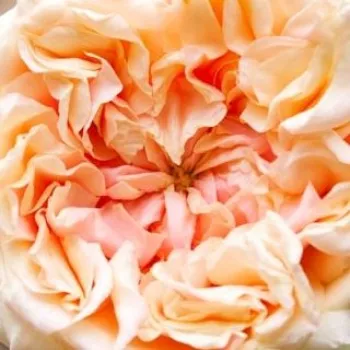
Large, very double rosette blooms with more than 40 petals, usually borne in clusters; remontant with a particularly abundant second flush, giving repeated flowering through the main season. |
| Colour data and phenology |
Soft creamy‑peach to apricot blooms, deeper at petal bases, fading towards ivory and pastel peach in strong sun; colour codes ARS YB, RHS 14C and 22C, with best tones in moderate conditions. |
| Fragrance and aroma |
Exceptionally strong, garden‑filling perfume with a rich tea‑rose character overlaid by fruity notes, best appreciated near seating or paths where even light breezes carry the scent widely. |
| Hip characteristics |
Produces moderate numbers of ellipsoidal orange‑red hips, around 9–15 mm across, which add a discreet late‑season accent without overwhelming the plant’s overall ornamental appearance. |
| Resistance and winter hardiness |
Shows good resistance to powdery mildew, black spot and rust under garden conditions; hardy in roughly USDA zone 7b, Swedish zone 2, tolerating about −15 to −12 °C with suitable siting. |
| Horticultural recommendations |
Best on supports such as arches, walls or pergolas at 1.1–2 m spacing; prefers well‑drained soil, regular watering in drought, and benefits from light deadheading to prolong flowering display. |
Gloire de Dijon rewards patient training with repeat flowering, powerful fragrance and a long‑lived own‑root framework that matures gracefully over the years, making it a thoughtful choice for those planning a lasting garden feature.