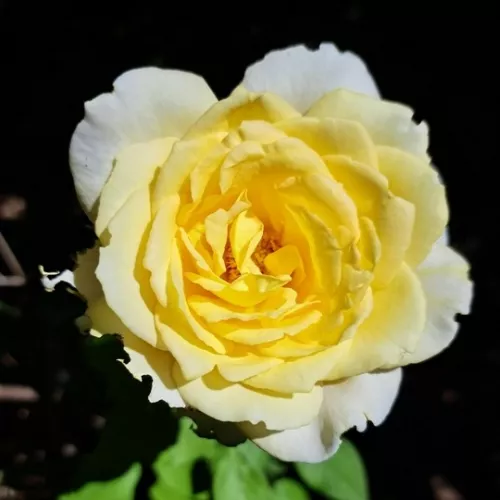
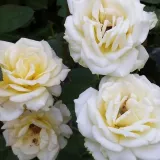
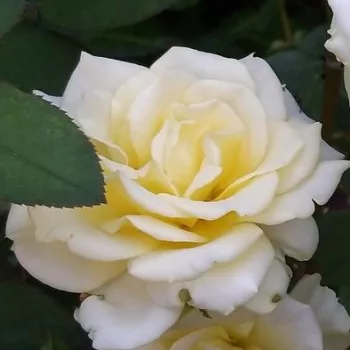
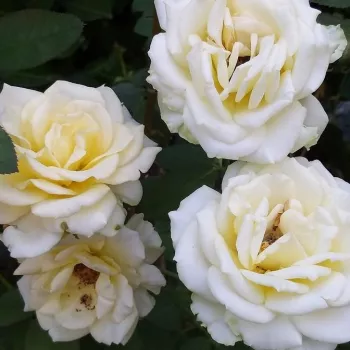
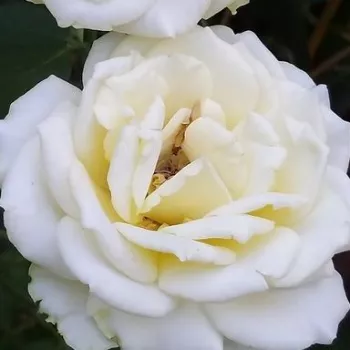
ISABELLE JOERGER – pastel yellow hybrid tea rose – BARmarisa
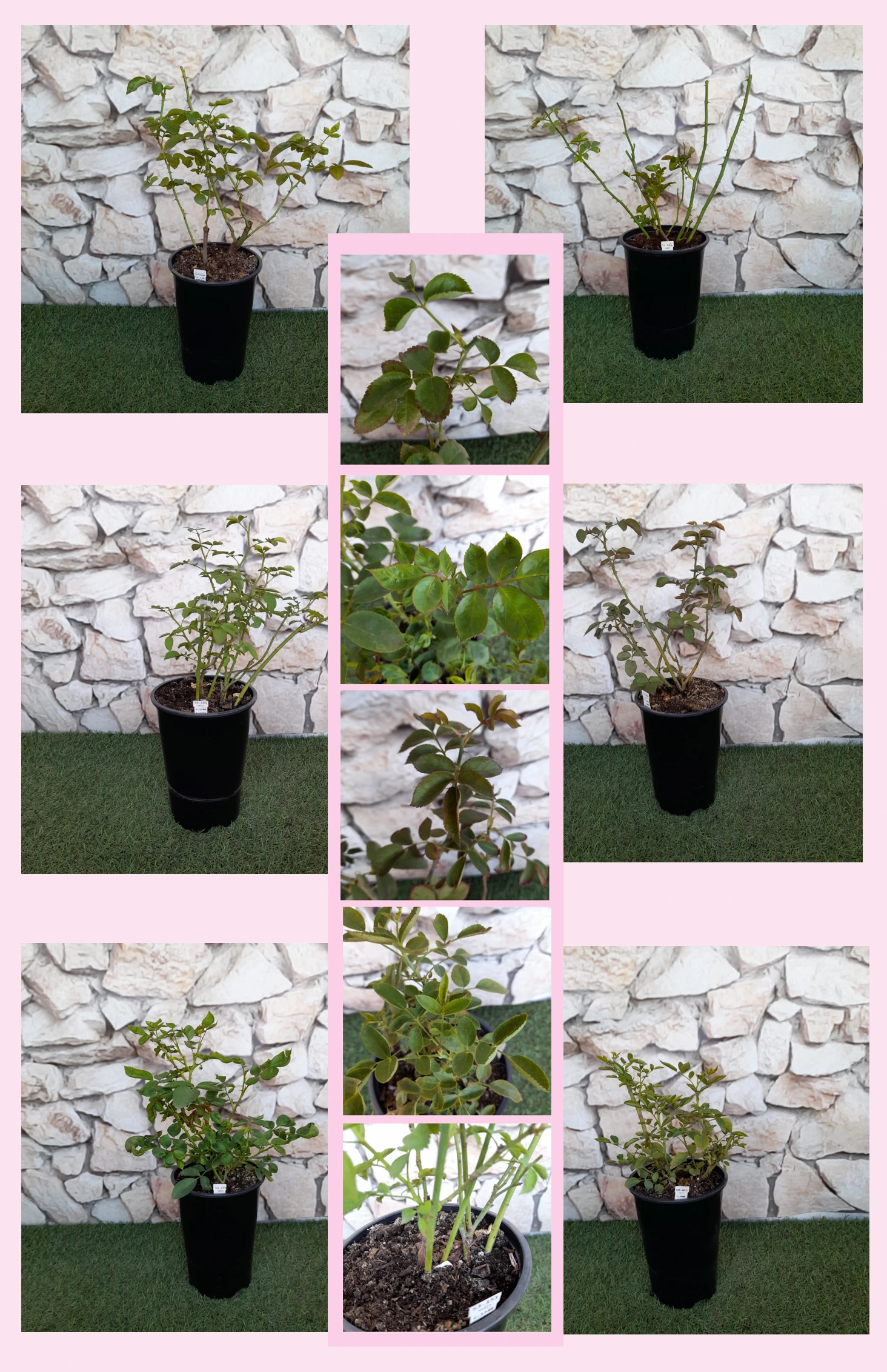
Imagine leisurely afternoons with tea and conversation, framed by the soft, pastel-yellow blooms of ISABELLE JOERGER, a hybrid tea bred for romance and an easy-going, cottage feel in everyday family gardens. This own-root rose is naturally long-lived, quietly building strong roots, and from its erect, well-branched habit you can cut elegant, high-centred flowers for the vase while leaving plenty of show in the border. Its moderate care needs suit busy homeowners, and it settles reliably even where breezes are brisk and rain is frequent along more exposed coastlines. In a 40–50 litre pot on a patio or as a specimen beside a path, you gain season-long repeat flowering in soft, creamy pastels without complicated pruning rules. Over its first seasons this rose concentrates on underground strength, then shoot structure, and by the third year it reaches its full ornamental potential, becoming a stable, rewarding presence in your garden.
Usage options
| Target area |
Reasoning |
| Front garden focal point by the path |
The erect, uniform growth and glossy dark foliage create a tidy, welcoming accent that stays within 80–110 cm, ideal for a small front garden where clear structure matters more than size. Suited to beginners and relaxed homeowners. |
| Romantic cottage-style border |
Pastel yellow, high-centred blooms blend easily with soft pinks, whites and lavender, giving a storybook, “girly” cottage look without demanding intricate care; moderate disease resistance suffices in well-aerated borders. Well suited to romantic cottage-style gardeners. |
| Patio container in 40–50 litre pot |
In a large container the compact spread and strong framework stay balanced, while own-root toughness supports long-term replanting or repositioning, making it a practical choice for paved patios and roof terraces. Ideal for busy urban residents. |
| Cut-flower corner in the kitchen garden |
High-centred, long-stemmed blooms are easy to cut repeatedly, with remontant flowering providing waves of usable stems through summer, perfect beside herbs and vegetables where you like to gather flowers for indoor vases. A good fit for creative home florists. |
| Small mixed rose bed |
Its moderate height and 50–70 cm spread help keep group plantings orderly, while pastel tones soften bolder reds or magentas, giving a layered effect without overcrowding or complex pruning schemes. Recommended for small-plot rose enthusiasts. |
| Raised bed over heavier soils |
The dense root system and medium maintenance needs make it a dependable choice for raised beds, where improved drainage supports healthier growth, especially in areas where wind-driven rain and unsettled weather are frequent. Practical for problem-soil gardeners. |
| Pollinator-friendly family area |
Semi-double blooms with accessible centres provide some forage for bees and butterflies while still looking refined, so children and adults alike can enjoy visiting wildlife in a setting that remains neat and manageable. Appealing to wildlife-aware families. |
| Long-term specimen planting |
As an own-root rose it regenerates well from the base and maintains its character over many years, suiting those who want a reliable, slowly maturing specimen that will reward consistent but simple seasonal care. Ideal for long-view garden planners. |
Styling ideas
- Cottage-arch – Pair ISABELLE JOERGER near a simple wooden arch with soft pink shrub roses and white foxgloves, echoing its pastel blooms for a storybook entrance – for lovers of traditional English cottage charm.
- Pastel-ribbon – Plant a low ribbon with blue fescue, Geranium ‘Rozanne’ and this rose to weave blue and yellow pastels along a path – for homeowners wanting gentle colour without visual clutter.
- Kitchen-nook – Place a 40–50 litre pot by the back door, underplanted with chives and thyme, to create a fragrant, cut-and-come-again corner – for busy cooks who enjoy grabbing a bloom with their herbs.
- Evening-terrace – Combine the creamy flowers with pale pavers, lanterns and silvery foliage like lavender or artemisia to catch the last light at dusk – for those who unwind outdoors after work.
- Structured-bed – Set three plants in a triangle among low box or evergreen mounds for a formal yet soft-focus display – for gardeners who favour order but still want a romantic look.
Technical cultivar profile
| Parameter |
Data |
| Name and registration |
Hybrid tea rose, registered as BARmarisa, marketed as ISABELLE JOERGER – pastel yellow hybrid tea rose – Barth; classified within the hybrid tea commercial group for garden and cutting use. |
| Origin and breeding |
Bred by René Barth at Roseraies Barth, France, with parentage not disclosed; selected for hybrid tea flower form and garden performance, introduced in 2016 and distributed initially by Roseraies Barth. |
| Growth and structural characteristics |
Erect, balanced bush reaching around 80–110 cm in height and 50–70 cm spread, with moderately thorny stems, dense, glossy dark green foliage and a uniform, well-filled framework suitable for beds and containers. |
| Flower morphology |
Semi-double high-centred flowers with 13–25 petals, large bloom size on mainly solitary stems; classic pointed buds open to hybrid tea form, with remontant flowering and a notably abundant second flush in season. |
| Colour data and phenology |
Pale creamy-yellow overall, ARS YB; buds butter-coloured with greenish hints, opening warm lemon-yellow at the centre, fading toward cream-white edges and eventually almost white margins with a soft yellow glow retained. |
| Fragrance and aroma |
Mild, sweet-fruity scent that is noticeable on close inspection rather than at a distance; suitable for those preferring a gentle perfume, adding subtle fragrance to seating areas and cut-flower arrangements indoors. |
| Hip characteristics |
Hip set is generally low under regular deadheading; where allowed, occasional ellipsoidal orange-red hips 10–14 mm across may develop late season, adding small decorative accents without seeding excessively. |
| Resistance and winter hardiness |
Rated to approximately −21 to −18 °C (RHS H7, USDA 6b, Swedish Zone 3) with moderate tolerance of heat and drought once established and medium resistance to black spot, powdery mildew and rust in typical garden conditions. |
| Horticultural recommendations |
Best in sunny positions with 50–90 cm spacing depending on use; plant 2.8–3.2 plants/m² for massed beds, provide regular watering in dry spells, medium-level pruning, and occasional plant protection in high disease-pressure areas. |
ISABELLE JOERGER offers compact structure, pastel blooms and dependable repeat flowering, and in its own-root form it establishes for the long term with reassuring resilience, making it a thoughtful choice for your garden plans.