JEAN DE LUXEMBOURG, ROI DE BOHÊME – peach park rose - Ducher
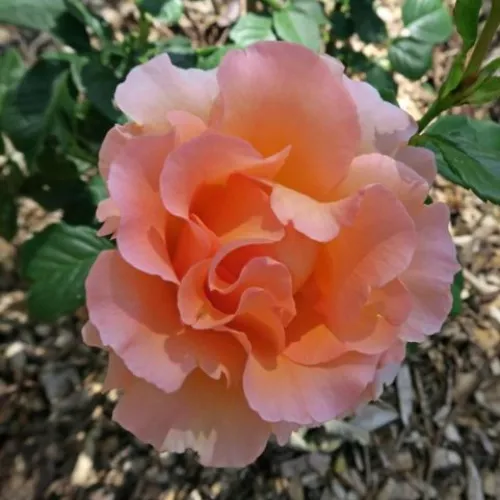
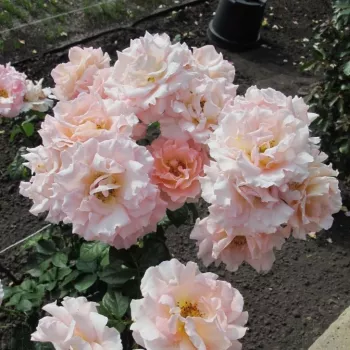
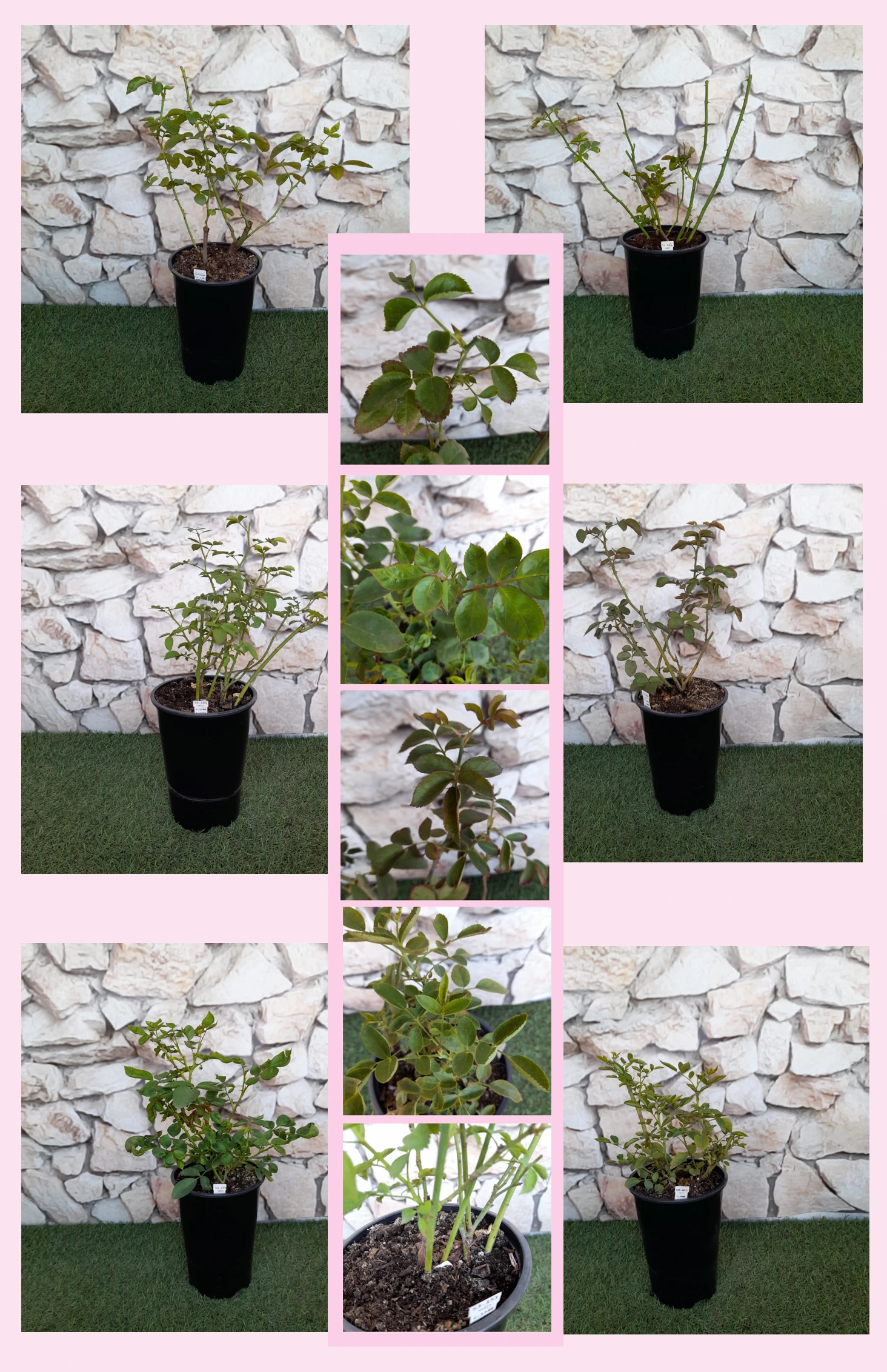
Plant a little romance with ‘Jean de Luxembourg, roi de Bohême’, a richly scented shrub rose that settles easily into everyday family gardens while coping reliably with coastal breezes and unsettled weather. Its upright, naturally full habit gives instant cottage-garden structure, with glossy dark foliage that stays handsome through the season and shows off the shifting peach tones of the blooms. Clusters of cupped, double flowers repeat generously, so one planting provides months of colour and perfume for paths, hedges or a small arbour. As an own-root plant it establishes steadily, living longer, regrowing well after harder pruning and keeping its ornamental value over time, so you can enjoy reliable flowering with only straightforward seasonal care in a busy family garden.
Usage options
| Target area | Reasoning |
|---|
| Low-maintenance cottage border in a family garden |
Its medium maintenance needs, robust own-root longevity and repeat flowering make it well suited to relaxed borders where you want traditional charm without fussy care routines, ideal for the time-pressed yet romantic-minded homeowner. |
| Fragrant seating area or afternoon-tea corner |
The strong, old-rose fragrance and generous clusters of peach blooms create an intimate, storybook feel around benches, arbours or pergolas, bringing cosy evening scent and soft colour for those who cherish atmospheric outdoor evenings. |
| Informal flowering hedge along paths or boundaries |
Its upright, dense growth, glossy foliage and moderate disease tolerance allow it to form a pleasantly full, slightly formal yet romantic hedge that screens and decorates at once, particularly appreciated by families seeking practical, beautiful boundaries. |
| Feature shrub in a mixed cottage-style bed |
The sturdy shrub framework and changing peach-pink shades anchor looser plantings of perennials and herbs, adding height, continuity and a focal point that knits together kitchen-garden and ornamental areas for lovers of classic cottage borders. |
| Own-root planting for long-lived family gardens |
Because it grows on its own roots, the shrub ages gracefully, is less prone to graft failure and can regenerate strongly from low pruning, suiting gardens planned to mature over many years for forward-looking garden planners. |
| Coastal and breezier suburban situations |
Its upright, well-branched habit and solid anchoring help it cope with regular wind and unsettled weather, making it a dependable choice where lighter shrubs struggle in exposed, salt-tinged conditions valued by coastal gardeners. |
| Larger containers on patios or terraces |
In a 40–50 litre or larger pot, its compact spread, good repeat flowering and strong scent bring cottage-garden atmosphere to paved spaces, suiting busy urban owners who prefer impactful plants in just a few substantial containers. |
| Family garden planting with simple yearly tasks |
Its remontant habit, moderate disease resistance and forgiving shrub form mean that straightforward annual pruning and occasional protection are usually enough for dependable summer colour, convenient for beginners and lightly involved hobby gardeners. |
Styling ideas
- Cottage-Hedge Elegance – Plant as a loose, fragrant hedge with lavender and catmint underplanting to soften the base and highlight the peach flowers – ideal for families wanting a traditional boundary that still feels welcoming.
- Tea-Arbour Retreat – Use two or three shrubs to frame an arbour or bench, weaving in clematis for vertical interest and surrounding with scented herbs – suited to romantics who imagine slow afternoons with books and tea.
- Kitchen-Garden Charm – Position near raised vegetable beds with chives, thyme and sage, letting its colour and scent bridge productive and ornamental areas – perfect for home cooks who like their plot to look as good as it tastes.
- Peach-and-Blue Border – Combine with blue-flowering companions such as Agastache ‘Blue Fortune’ and perennial geraniums, using its upright habit as a backdrop – for those who favour soft, harmonious colour palettes over bold contrasts.
- Patio Statement Pot – Grow one shrub in a large terracotta container and surround the base with trailing campanula or ivy-leaved pelargoniums – well suited to small-plot or balcony gardeners who want maximum romance from minimal space.
Technical cultivar profile
| Parameter | Data |
|---|
| Name and registration |
Shrub, Hybrid rugosa park rose; registered as DUCjdl, marketed as ‘Jean de Luxembourg, roi de Bohême’, exhibition name ‘Jean de Bohême’ for shrub-rose show classes. |
| Origin and breeding |
Bred by Fabien Ducher, Roseraie Ducher, France; introduced and registered in 2010 as a park and shrub rose suitable for both private gardens and urban green spaces. |
| Growth and structural characteristics |
Upright shrub reaching about 120–190 cm in height and 100–150 cm spread, densely thorned with dark, glossy foliage forming a full, structural bush for hedging or specimen use. |
| Flower morphology |
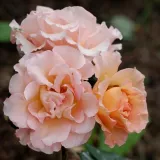
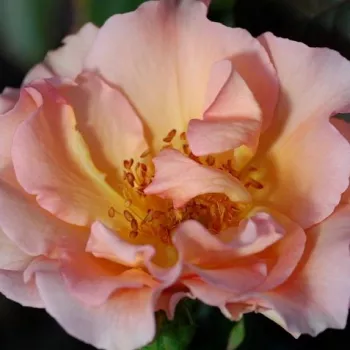
Cupped, double clusters with 26–30 petals on medium-sized blooms; remontant with especially abundant second flush, carried on cluster-flowering stems through the main season. |
| Colour data and phenology |
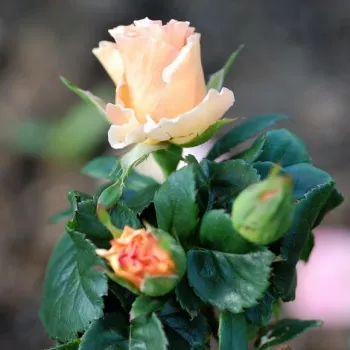
Soft peach with pink-orange tones; buds deep peach-pink, then fading from rich peach-orange to rosy-cream with creamy outer petals, maintaining good colour retention in full bloom. |
| Fragrance and aroma |
Strong, long-lasting old-rose perfume; double yet open flowers with accessible stamens offer moderate bee appeal, providing both sensory value and partial pollinator support in the garden. |
| Hip characteristics |
Due to double flowers, hips are usually scarce; occasional globular, orange-red rosehips 18–26 mm across may appear, adding discrete late-season interest without heavy seeding. |
| Resistance and winter hardiness |
Hardy to about −26 to −23 °C (RHS H7, USDA 5b, Swedish Zone 4); moderate resistance to powdery mildew, black spot and rust, occasionally requiring plant protection in high-pressure seasons. |
| Horticultural recommendations |
Best at 110–120 cm spacing for hedges or mass planting; 180 cm for solitary shrubs. Medium maintenance with simple pruning; suitable for parks, specimen shrubs, hedges and urban plantings. |
JEAN DE LUXEMBOURG, ROI DE BOHÊME offers richly scented peach blooms, a well-structured shrub habit and dependable garden performance on its own roots, making it a thoughtful choice for long-lived, atmospheric family plantings you can enjoy for years.