JOHN DAVIS – pink park rose - Svejda
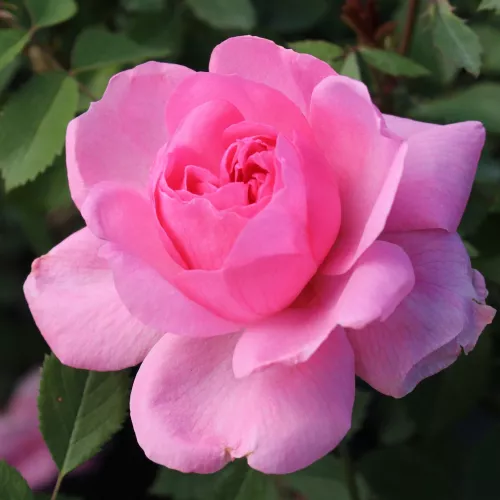
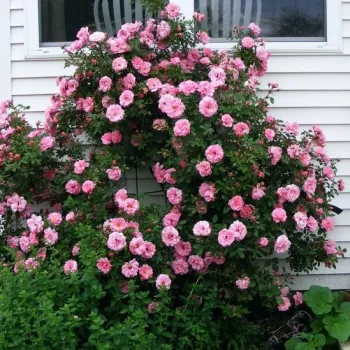
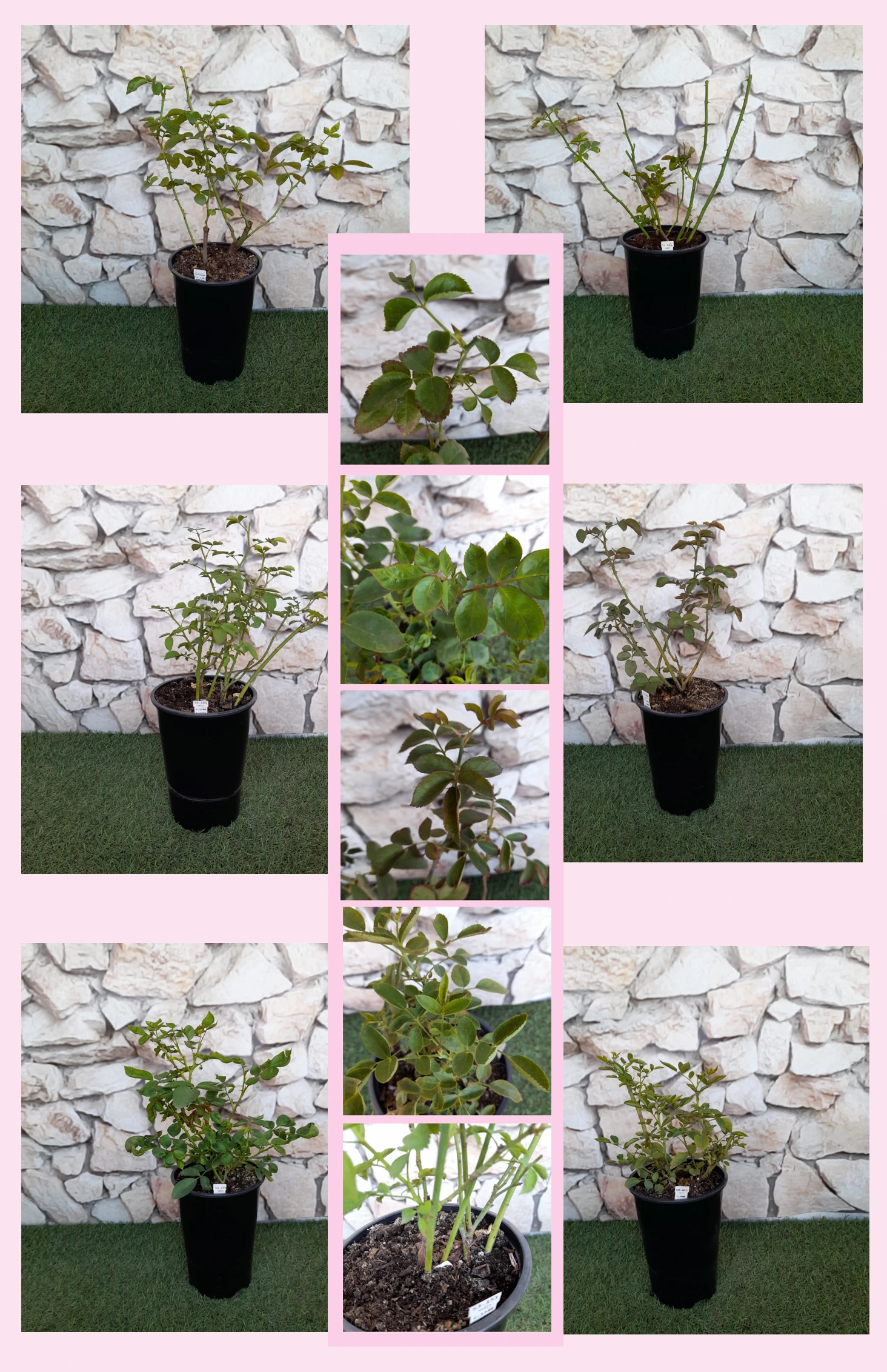
With JOHN DAVIS You can bring a quietly romantic, countryside atmosphere to an ordinary family garden, training its arching canes over an arbour or along a fence for a storybook sense of cosiness. This hardy shrub rose forms a strong, reliable framework, ideal where gardens are exposed to breezy, damp conditions and need planting that copes well with frequent rain and blustery coastlines. In summer it carries generous clusters of very double, mid-pink blooms that repeat and soften to pastel tones, keeping the border in gentle colour through the season. Grown on its own roots, it is bred for longevity and steady regrowth, building up from roots in the first year, fuller shoots in the second, and a settled, fully romantic display by around the third season.
Usage options
| Target area |
Reasoning |
| Arbour or pergola in a family garden |
The naturally arching, climbing habit makes JOHN DAVIS ideal for clothing a modest arbour or small pergola, creating a shady, rose-scented corner for afternoon tea. Repeat-flowering pink clusters soften the structure and give a cottage feel for romantic gardeners. |
| Traditional front-garden fence or railings |
Trained along a low fence, its 2–2.8 m growth frames paths and driveways without overwhelming the space. The dense, glossy foliage and pastel-pink bloom clusters offer a classic welcome, especially in average suburban plots, for homeowners. |
| Informal flowering hedge in a cottage-style border |
Planted at the recommended spacing, JOHN DAVIS can be shaped into a loose hedge that encloses kitchen gardens or play lawns. Own-root vigour helps it knit together over time, maintaining structure and charm for cottage-style enthusiasts. |
| Raised bed or improved heavy-clay border |
Its strong, shrub-like framework responds well to being planted in raised or improved beds where drainage is better, providing reassuring stability and anchoring taller planting in UK gardens that struggle with sticky clay for problem-soil gardeners. |
| Large container on terrace or patio (40–50 litres+) |
In a generous 40–50 litre container, JOHN DAVIS can be trained on an obelisk or small trellis, bringing vertical interest and soft pink colour to paved spaces. The own-root plant gradually thickens and regrows well after pruning for balcony-and-patio owners. |
| Partially shaded seating area |
This cultivar tolerates partial shade, so it is suitable near north-east aspects or beside taller shrubs, extending rose planting into corners that miss midday sun. The medium, spicy fragrance adds quiet character for shade-challenged gardeners. |
| Low-maintenance cottage border with simple pruning |
Once established, JOHN DAVIS is forgiving of pruning style: it may be thinned, shortened, or allowed to arch, and it self-cleans many spent blooms. Own-root growth supports long-term renewal, even after harder renovation cuts, for busy gardeners. |
| Cold-exposed and windswept UK sites |
With very high winter hardiness and a proven, resilient framework, this rose suits colder, exposed sites where frosts and strong winds test less robust plants, including areas with frequent rain and brisk sea breezes for coastal homeowners. |
Styling ideas
- Arbour-romance – Train JOHN DAVIS over a wooden arbour with underplanting of campanulas and soft grasses to frame a small bistro table – perfect for couples who enjoy afternoon tea outdoors.
- Cottage-fence – Weave its canes along a picket fence, pairing with clustered bellflowers and foxgloves for a storybook front garden – ideal for families wanting a traditional first impression.
- Kitchen-border – Place as a loose hedge at the edge of a kitchen garden, with Artemisia ‘Nana’ and herbs at its feet – suited to home cooks who like a productive yet romantic plot.
- Patio-column – Grow in a 50-litre pot on a terrace with a slim obelisk, adding pelargoniums and trailing lobelia for colour at the base – good for urban owners with limited beds.
- Shade-nook – Plant near a partially shaded bench with ferns and hostas beneath its arching canes to create a cool, scented retreat – appealing to readers who treasure quiet corners.
Technical cultivar profile
| Parameter |
Data |
| Name and registration |
JOHN DAVIS is a shrub rose from the Park - shrub rose collection, classed as a Shrub, Hybrid Kordesii; commercial type park rose, ARS exhibition name JOHN DAVIS. |
| Origin and breeding |
Bred in Canada in 1977 by Felicitas Svejda at Agriculture and Agri-Food Canada, from Rosa 'Kordesii' × ('Red Dawn' × 'Suzanne'); introduced after 1986. |
| Awards and recognition |
Holds the Earth-Kind North excellence rating from Texas A&M University (2007), indicating reliable landscape performance under low-input conditions. |
| Growth and structural characteristics |
Strong, climbing to tall shrub habit with arching, trailing canes; 200–280 cm high and 150–220 cm spread, with dense, glossy mid-green foliage and moderate prickliness. |
| Flower morphology |
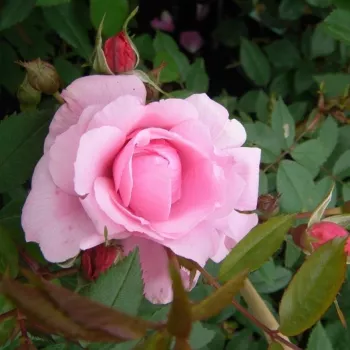
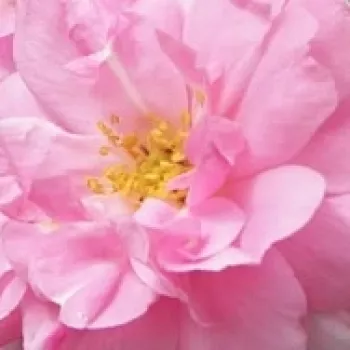
Bears medium-sized, very double, cupped blooms in clusters, with 40 or more petals; remontant with a notably abundant second flush, and good natural self-cleaning of spent flowers. |
| Colour data and phenology |
Uniform mid-pink blooms (RHS 58C, 62B) opening deep, then softening to pastel and eventually near-white outer petals; moderate colour retention across repeat flowering cycles. |
| Fragrance and aroma |
Medium-strength, lightly spicy fragrance, noticeable around seating areas in still air; double blooms offer moderate, partial value for pollinators due to reduced stamen access. |
| Hip characteristics |
Occasionally sets small, ellipsoid, red hips around 8–12 mm in diameter, adding discrete autumn interest without significantly affecting overall flowering performance. |
| Resistance and winter hardiness |
Exceptionally hardy to about −40 to −37 °C (RHS H7, Swedish zone 6, USDA 3a); needs regular protection from rust and general fungal disease in humid or wet summers. |
| Horticultural recommendations |
Best in improved, well-drained soil with regular feeding and watering in drought; suitable for partial shade, specimen use, pergolas, fences, and well-spaced mass planting. |
JOHN DAVIS offers romantic pink flowering, a resilient shrub framework and forgiving pruning on a dependable own-root plant that matures gracefully; an excellent choice if You favour long-lived, cottage-style structure.