JOY OF LIFE – red-and-white hybrid tea rose – Evers
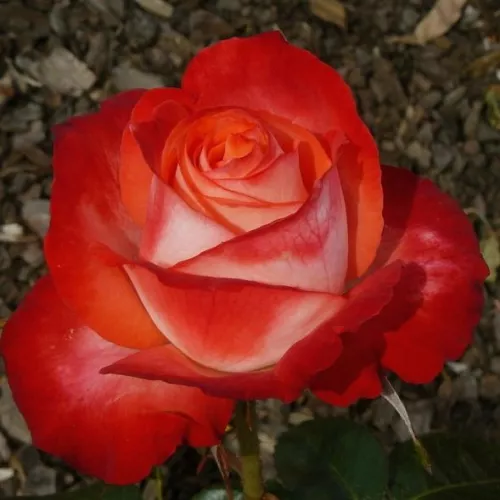
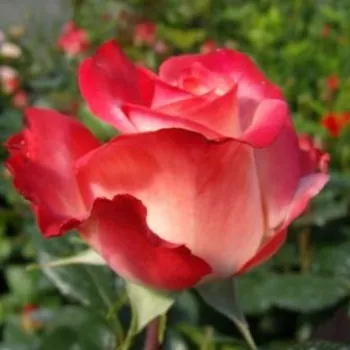
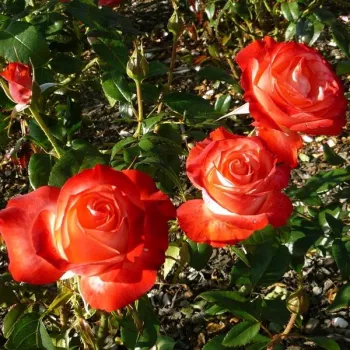
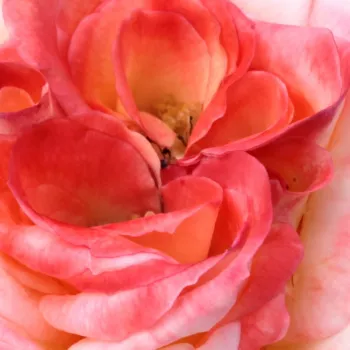
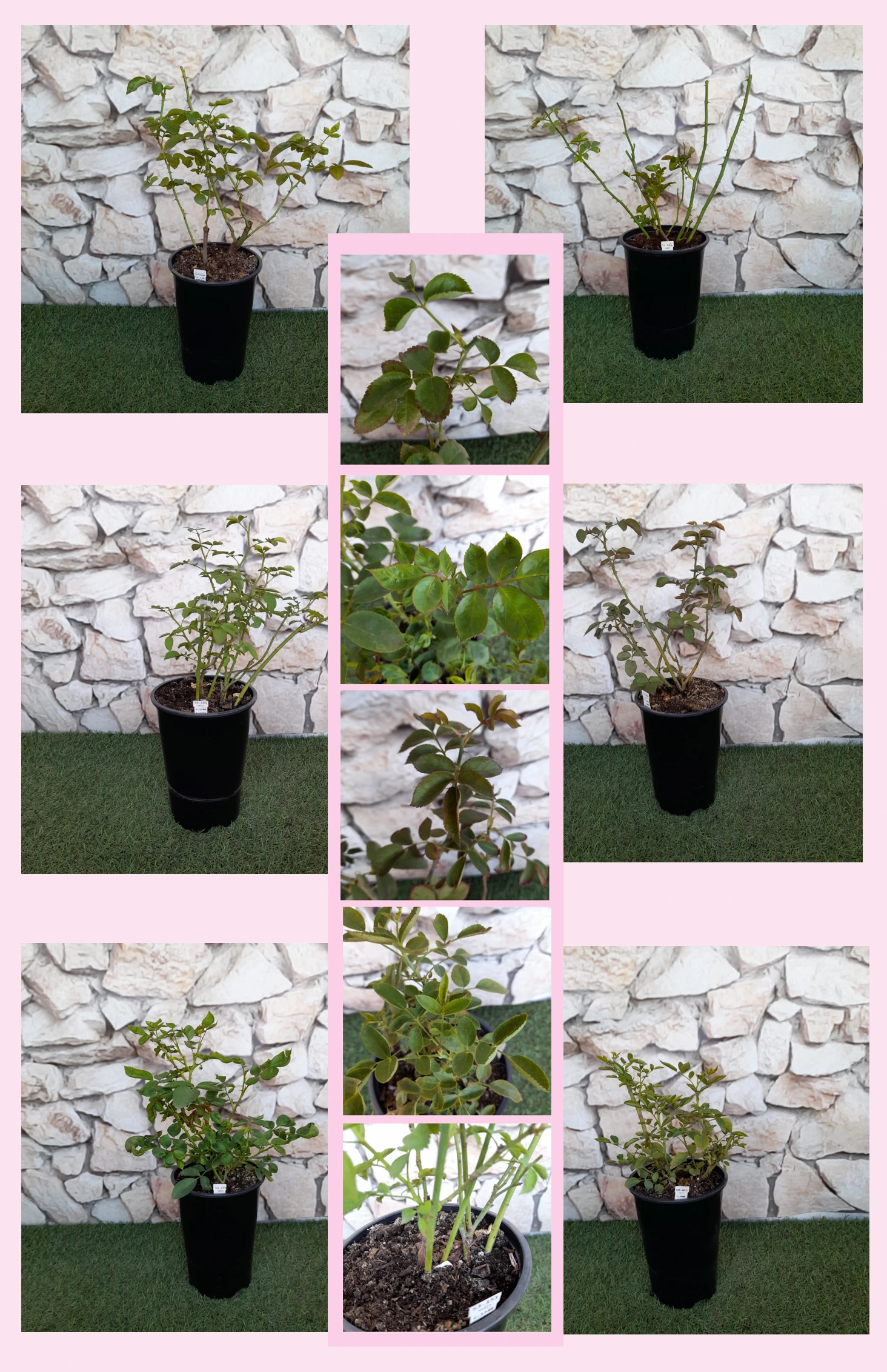
With its nostalgic, high‑centred blooms and cream‑white petals edged in vivid carmine, JOY OF LIFE brings a quietly luxurious sense of romance to everyday family gardens. Bred by Rosen Tantau, this hybrid tea combines exhibition‑quality flowers with remarkably reliable garden performance, forming an upright, leafy structure around 130–170 cm high that slots easily into mixed borders or beside a path to the front door. Planted as an own‑root rose in the pharmaROSA® ORIGINAL 2‑litre pot, it settles quickly and is simple to look after, with good resistance to common rose diseases and strong vitality that helps it cope with breezier, wetter weather near exposed coasts and similar climates. Dense, glossy mid‑green foliage frames each flower, while a strong, classic rose perfume lends an atmosphere of afternoon‑tea charm around seating areas. In typical British conditions it responds well to standard feeding and regular watering, and because it is not grafted onto a short‑lived rootstock, it offers long‑term endurance and the ability to regenerate after harder pruning or weather damage, maintaining stable ornamental value over many years. This makes it ideal for gardeners who appreciate storybook elegance without complex regimes: plant, mulch, water in dry spells and enjoy the natural rhythm as roots strengthen in the first year, top growth fills out in the second, and by the third season the rose reaches its full, romantic ornamental presence.
Usage options
| Target area | Reasoning |
|---|
| Mixed cottage-style border near a seating area |
The strong, classic rose fragrance and elegant hybrid tea form make JOY OF LIFE perfect beside a bench or small patio, where you can enjoy perfumed blooms at eye level from late spring onwards; ideal for scent‑loving cottage gardeners and tea-drinkers. |
| Feature rose in a small front garden |
An upright, 130–170 cm habit with dense, glossy foliage creates a tidy, vertical accent that fits comfortably into narrow borders by paths or drives, giving structure without overwhelming space; suited to busy homeowners seeking neat kerb appeal and orderliness. |
| Romantic cut-flower row in a kitchen or cutting garden |
High‑centred, long‑stemmed blooms were bred for exhibition and cutting, so planting in a simple row allows regular harvesting of vase‑worthy flowers without spoiling the garden display; a practical choice for home florists and bouquet-makers. |
| Low-maintenance family border in sun |
Good resistance to black spot, powdery mildew and rust keeps foliage healthy with minimal spraying, so a straightforward routine of watering and feeding is usually enough; reassuring for beginners and time‑pressed parents. |
| Long-lived specimen rose near an arbour or arch |
As an own‑root plant it is not dependent on a graft union, so it recovers well from harder pruning and can remain decorative for many years, making a reliable focal point; appealing to those planning a stable, enduring gardeners. |
| Informal rose hedge in a traditional cottage layout |
Planted 55–65 cm apart, its upright growth and medium spread form a loose, flower‑rich line that defines paths or separates a kitchen garden from lawn without feeling rigid; attractive to lovers of soft, storybook boundaries. |
| Containers and large patio pots |
In a 40–50 litre or larger container with good drainage, this rose offers vertical colour and scent on terraces or in paved courtyards, with disease resistance keeping upkeep straightforward; convenient for urban balcony owners and renters. |
| Exposed or breezier garden positions |
Robust canes and dense foliage cope well with everyday wind and rain, remaining presentable when some more delicate varieties suffer, giving dependable colour in less sheltered sites; helpful for coastal‑edge plots and allotment-holders. |
Styling ideas
- Cottage Trio – Underplant JOY OF LIFE with Alchemilla mollis and low catmint to soften its stems and echo the creamy petal tones – ideal for romantically inclined family gardeners.
- Kitchen-Path – Line a path to the vegetable plot with alternating JOY OF LIFE and herbs such as lavender for cut flowers and fragrance in one – perfect for home cooks who love tradition.
- Porch-Welcome – Place a single plant in a generous stone pot by the front door to combine tidy structure with strong scent – suited to busy homeowners wanting instant charm.
- Arbour-Nook – Position this upright rose beside a bench or small arbour, backed by dwarf silver artemisia for contrast, to create a quiet reading corner – appealing to evening readers.
- Elegant-Row – Plant a simple straight row against a fence with California‑lilac nearby, using the rose as a repeat‑flowering cut border – good for practical gardeners who arrange their own bouquets.
Technical cultivar profile
| Parameter | Data |
|---|
| Name and registration |
Hybrid tea rose, registered as TANmixa and marketed as JOY OF LIFE Nostalgic®; also known for exhibition under the American Rose Society name Maxim. |
| Origin and breeding |
Bred by Hans Jürgen Evers for Rosen Tantau, Uetersen, Germany; introduced and registered in 1993, with initial distribution handled by Tantau Roses in the German market. |
| Growth and structural characteristics |
Strong, upright bush reaching approximately 130–170 cm high and 60–80 cm wide, with moderately thorny stems and dense, glossy mid‑green foliage for a full, vertical presence. |
| Flower morphology |
Classic high‑centred, pointed buds opening to medium, double blooms with 26–39 petals, mainly solitary on stems; remontant, providing a generous main flush and abundant repeat flowering. |
| Colour data and phenology |
Cream‑white base with vivid carmine‑red edging and shading; buds deep carmine, later softening to ivory tones as the red margin fades, giving a bicoloured effect that changes gently as flowers age. |
| Fragrance and aroma |
Strong and well‑scented with a classic rose character; the fragrance is readily noticeable around seating areas and when stems are cut for indoor arrangements, adding sensory richness to plantings. |
| Hip characteristics |
Rosehips form only occasionally; when present they are spherical, orange‑red and around 10–14 mm in diameter, giving light autumn interest without significant self‑seeding concerns. |
| Resistance and winter hardiness |
Demonstrates good resistance to powdery mildew, black spot and rust; winter hardy to approximately –21 to –18 °C (RHS H7, USDA 6b), with moderate heat tolerance if watered during prolonged dry spells. |
| Horticultural recommendations |
Best in full sun with fertile, well‑drained soil; space plants 55–100 cm depending on use, feed annually and water in dry periods to support continuous flowering and keep foliage in peak condition. |
JOY OF LIFE combines scented, exhibition-quality blooms with strong disease resistance and long own-root lifespan, offering a refined yet dependable feature rose for gardeners who appreciate quietly enduring beauty; consider it where you want romance with ease.