JULIE DE MERSAN – pink historic moss rose - Thomas
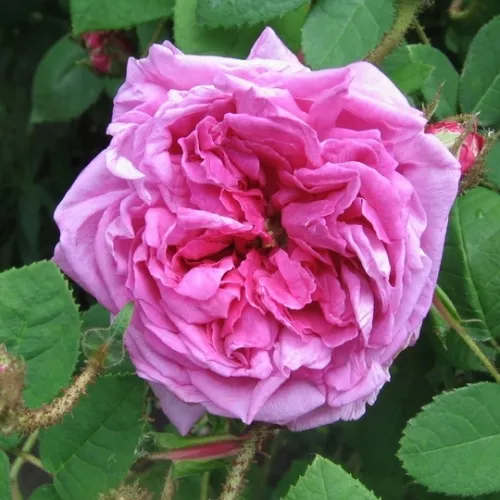
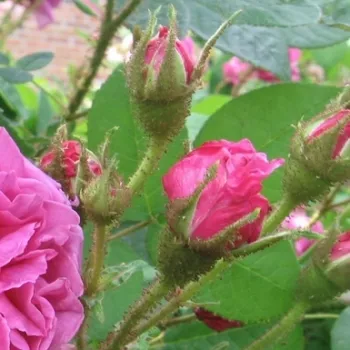
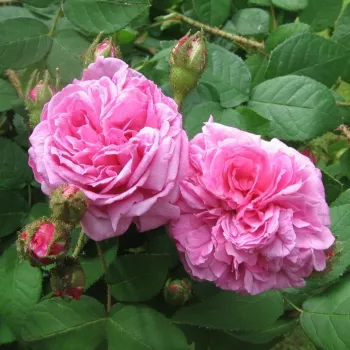
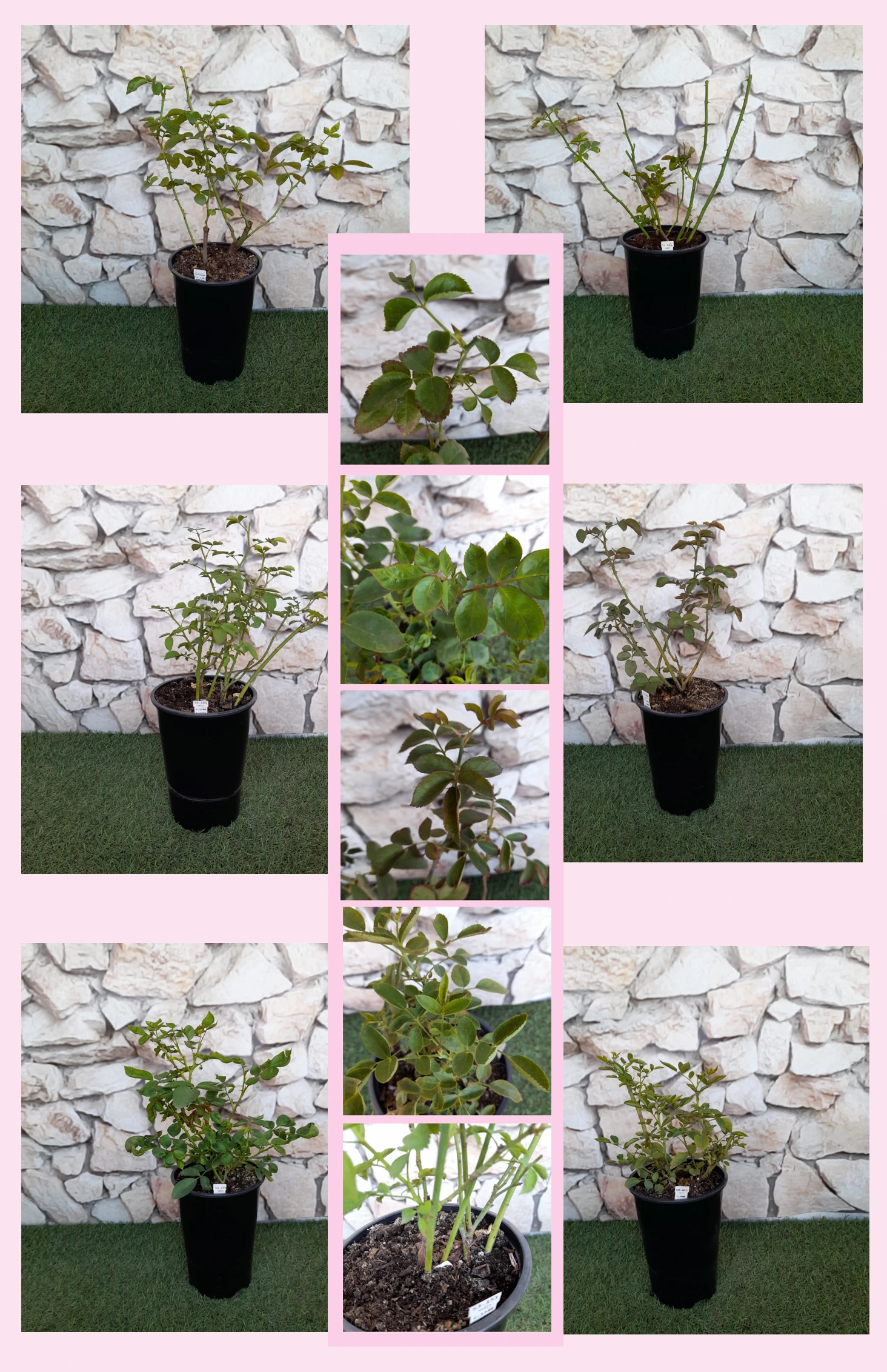
Step into a storybook corner of your garden with JULIE DE MERSAN, a romantic moss rose that brings history, fragrance and gentle old-world charm to even a modest family plot. Its richly sweet, resinous perfume creates the feeling of afternoon tea beneath an arbour, while the bushy, upright habit forms a naturally shapely structure with little intervention. As an own-root plant, it offers reassuring longevity, reliably regrowing from its own wood if winter or pruning are less than perfect, and maturing steadily as roots establish first, then top growth follows, before the full ornamental picture appears. In summer it produces one impressive flush of clustered, pompon-like blooms in glowing pink clusters, fading softly to silvery pastels for that cottage-garden palette. Its dense, matt dark green foliage and mossy buds feel in tune with traditional kitchen-garden borders, and it settles well where raised beds or improved soil help manage heavier ground and occasional coastal breezes, supporting easy-care confidence for busy gardeners.
Usage options
| Target area | Reasoning |
|---|
| Romantic feature in a small family garden |
Use JULIE DE MERSAN as a stand-out specimen near a seating area or path where its very strong, garden-filling perfume can be appreciated at close quarters. The once-flowering summer display becomes a seasonal highlight that children and guests remember, without demanding complex pruning or specialist skills from the household’s beginners. |
| Cottage-style mixed border with traditional perennials |
Its bushy, medium–tall habit and dense, matt foliage give reliable structure among foxgloves, hardy geraniums and herbs, creating an English cottage mood. The soft pink, pompon clusters blend easily with both cool and warm tones, so you can rearrange surrounding planting over time while this dependable shrub anchors the scheme for homeowners. |
| Scented garden near doors, gates or pathways |
Plant close to an entrance or along a frequently used path, where the strongly sweet, resinous fragrance can drift on still evenings. Even with just one main flowering period, the intensity of scent feels luxurious, yet the shrub remains comparatively straightforward to look after for busy urbanites. |
| Low-maintenance historic rose collection or heritage corner |
JULIE DE MERSAN, bred in 1854, slots naturally into a historic rose collection or a small heritage-themed bed alongside other moss and old roses. Its own-root form supports long-term continuity, reducing the worry of graft failure and making it a reassuring choice for long-view garden collectors. |
| Informal flowering hedge or boundary line |
At the recommended 80–90 cm spacing, its bushy growth and dark green foliage create a loose, romantic boundary that also screens play areas or utility corners in family gardens. Moderate disease resistance and medium maintenance needs keep tasks manageable for time-pressed garden families. |
| Raised beds or improved clay/chalk borders |
This variety responds well where drainage has been thought through, settling into raised beds or improved heavier soils that sometimes sit wet in winter. Once established, it becomes a stable, long-lived presence, especially valued by gardeners working with challenging ground conditions. |
| Feature shrub in a large container (40–60 litres) |
In a substantial 40–60 litre container with good compost and steady watering, JULIE DE MERSAN provides a portable focal point for patios or roof terraces. The bushy frame and one lavish summer display suit those who prefer seasonal drama over constant tinkering, particularly balcony and courtyard owners. |
| Traditional kitchen garden or potager border |
Position along the edge of a kitchen garden where its mossy buds, pink blooms and occasional red hips sit beautifully beside herbs and vegetables, echoing Victorian potagers. Consistent moisture and shelter from extremes help it thrive, even where wind and wet weather can be testing for keen but busy amateurs. |
Styling ideas
- Arbour-approach – Plant JULIE DE MERSAN either side of a path leading to a bench or small arbour, underplanting with catmint and low lavender for a scented, hazy foreground – ideal for romantic cottage-garden lovers.
- Kitchen-border – Thread this moss rose between rows of chives, sage and low espaliered fruit, so its pink clusters and fragrance soften the productive layout – perfect for rural kitchen gardeners.
- Pastel-ribbon – Combine with pale campanulas, soft pink hardy geraniums and white foxgloves to create a gentle colour ribbon along a fence – suited to those seeking a calm, storybook feel.
- Heritage-duet – Pair JULIE DE MERSAN with another historic shrub rose in complementary tones, framing a small lawn or terrace with living antiques – appealing to collectors of old varieties.
- Container-nook – Grow it in a large terracotta pot by a back door, adding trailing thyme and violas at the base for year-round charm – convenient for small-space and courtyard gardeners.
Technical cultivar profile
| Parameter | Data |
|---|
| Name and registration |
Julie de Mersan is a historic moss shrub rose, unregistered as a formal cultivar; initially distributed by F. C. Davis in Australia and traded today under the name JULIE DE MERSAN – pink historic moss rose - Thomas. |
| Origin and breeding |
Bred by Désiré Thomas in France around 1854, this moss rose has unknown parentage and was introduced to wider circulation in the mid-19th century, reflecting traditional European garden tastes of that era. |
| Growth and structural characteristics |
Bushy shrub growing approximately 105–175 cm tall and 70–110 cm wide, with dense, matt dark green foliage and moderate prickliness, forming an upright, full framework suited to beds, hedging and standalone planting. |
| Flower morphology |
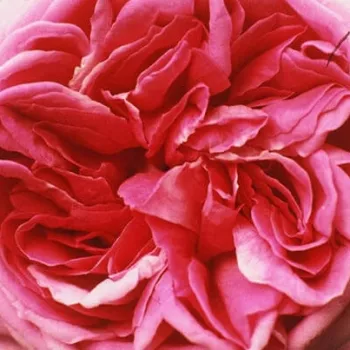
Produces large, very double, round pompon blooms with more than 40 petals, carried mainly in clusters during a single, non-remontant summer flush, offering a concentrated season of display and cutting opportunities. |
| Colour data and phenology |
Flowers open a vivid mid-pink with deeper centres, then fade through bright to pastel pink with a slight silvery tinge; colour codes correspond to ARS dp and RHS 57C outer, 62B inner, with moderate colour retention in sun. |
| Fragrance and aroma |
Very strong, garden-filling fragrance of richly sweet, resinous character, typical of moss roses; ideal where scent is a priority feature near seating, paths or entrances, although the dense blooms limit pollinator access. |
| Hip characteristics |
Occasionally produces small, spherical red hips about 11–19 mm in diameter, adding a discreet autumn accent when present, though fruiting is not a dominant ornamental feature of this cultivar. |
| Resistance and winter hardiness |
Hardy to approximately −26 to −23 °C (RHS H7, USDA 5b, Swedish zone 4), with moderate tolerance to heat and drought and moderate resistance to powdery mildew, black spot and rust, preferring evenly moist soils. |
| Horticultural recommendations |
Best in sunny sites with well-drained yet moisture-retentive soil; plant 80–90 cm apart in hedges or 1.2–1.4 plants/m² in beds, allowing 170 cm for solitary specimens, and provide occasional pest and disease checks as needed. |
JULIE DE MERSAN offers rich scent, romantic pink clusters and enduring, own-root reliability; consider it if you would like a long-lived, characterful shrub rose with a gently traditional presence.