KAOLIKAZALI – coral nostalgia rose – Kunieda
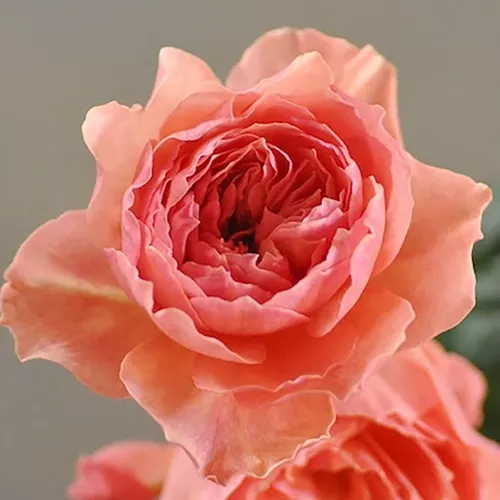
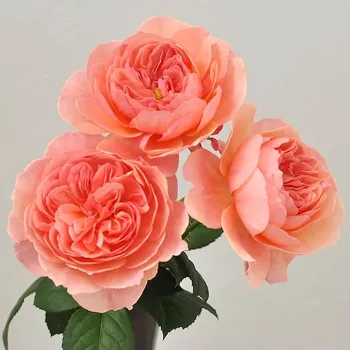
Slip this premium shrub into your cottage border and it quickly becomes a quietly luxurious focal point: coral blooms opening from dusky buds into full rosettes, a romantic haze of colour that suits afternoon tea beneath an arbour. Its naturally bushy form makes shaping easy, whether you prefer relaxed hedging or a single specimen, and own-root production supports a long-lived, steadily maturing plant that comes back strongly even after a hard winter. In typical British conditions it copes well, even where gardens face brisk coastal breezes and heavier soils, provided you offer reasonable drainage. Over time your planting settles into a soft, storybook picture, the XL flowers repeating through summer with medium maintenance needs and straightforward seasonal care. Container gardeners can enjoy it too in large 40–50 litre pots, and with thoughtful placement you will see roots establish, shoots gain confidence, and then – by the third year – full ornamental impact in a small to medium garden.
Usage options
| Target area |
Reasoning |
| Cottage-style flower bed near a seating area |
The XL, rosette-shaped blooms unfold through warm coral to peach and cream, giving a layered, nostalgic look that suits relaxed afternoon seating. Continuous repeat flowering keeps the bed interesting across the season with only moderate upkeep, ideal if you like romance without fussy grooming, especially for the hobby gardener. |
| Small to medium family front garden focal point |
Its bushy, upright habit (around 85–115 cm) forms a neat yet informal feature that anchors the space without dominating it. Planted as a specimen, it frames pathways or front doors with cottage character but remains manageable in height, fitting busy households that want order and charm, suitable for the homeowner. |
| Loose, low rose hedge along a boundary |
Consistent height and dense foliage allow you to space plants at 50–60 cm and still achieve a soft, flowering hedge. The dark green leaves and moderate prickles create a gentle barrier while flowers provide colour rather than strict formality, suiting family plots needing privacy with a traditional feel for the family buyer. |
| Large container on patio or roof terrace |
In a 40–50 litre container it keeps a compact, bushy framework and shows its full flower size and colour transitions close to eye level. This makes it well suited to small urban spaces where ground planting is limited but you still want a refined, romantic rose presence, perfect for the urban gardener. |
| Mixed cottage border with perennials and herbs |
The warm coral tones blend smoothly with mauves and blues, pairing beautifully with plants such as Nepeta x faassenii or purple loosestrife. Its repeat flowering threads colour between perennial flushes, so the border never looks flat, an advantage if you prefer effortless, storybook planting as a cottage-garden lover. |
| Feature rose in heavier-clay or exposed suburban plots |
Once established, its good heat tolerance and medium disease resistance make it a steady choice where weather can be changeable, provided drainage is improved or beds are slightly raised to help in wetter spells with heavier ground. This suits practical, time-poor gardeners seeking reliability, especially the busy household. |
| Cutting patch or kitchen-garden edge |
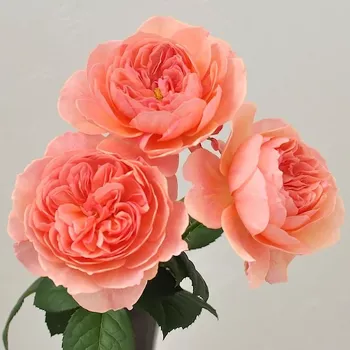
The solitary, XL blooms on strong stems lend themselves to cutting for indoor vases, where their nostalgic form and soft colour transitions shine. Planted by a path or vegetable plot, you can take stems as needed without spoiling the overall look, appealing to the cut-flower enthusiast. |
| Long-term structural planting in a family garden |
As an own-root shrub, it ages steadily, rebuilding from the base after hard pruning and maintaining ornamental value over many seasons, rather than declining on a graft. This makes it a sound, long-horizon choice for small gardens where each plant must earn its place for the long-term planner. |
Styling ideas
- Cottage-hedge – Plant in a relaxed line at 50–60 cm spacing, underplant with catmint and low herbs for a soft, scented, boundary-like edge – ideal for families wanting gentle enclosure.
- Tea-corner – Place one or three plants near a bench or bistro set, backed by dwarf yew, so coral blooms frame your afternoon tea spot – suited to homeowners who enjoy quiet outdoor moments.
- Kitchen-border – Combine with vegetables and culinary herbs, letting coral rosettes rise behind salad beds for a productive yet romantic potager – perfect for those who like beauty with utility.
- Patio-centrepiece – Grow a single shrub in a 40–50 litre terracotta pot, using gravel mulch and simple underplanting for a clean but nostalgic statement – good for busy urban gardeners with limited soil.
- Perennial-weave – Thread three plants through drifts of ornamental grasses and perennials like purple loosestrife to punctuate the border with repeating coral accents – for cottage-style enthusiasts.
Technical cultivar profile
| Property |
Data |
| Name and registration |
Romantic shrub rose marketed as KAOLIKAZALI – coral nostalgia rose – Kunieda; part of the Romantic rose collection, used both as a luxury garden cut flower and a decorative shrub. |
| Origin and breeding |
Bred by Kunieda Keiji at Rose Farm Keiji, Shiga Prefecture, Japan; introduced domestically in 2012 and to wider international markets from 2017 via specialist cut-rose producers. |
| Growth and structural characteristics |
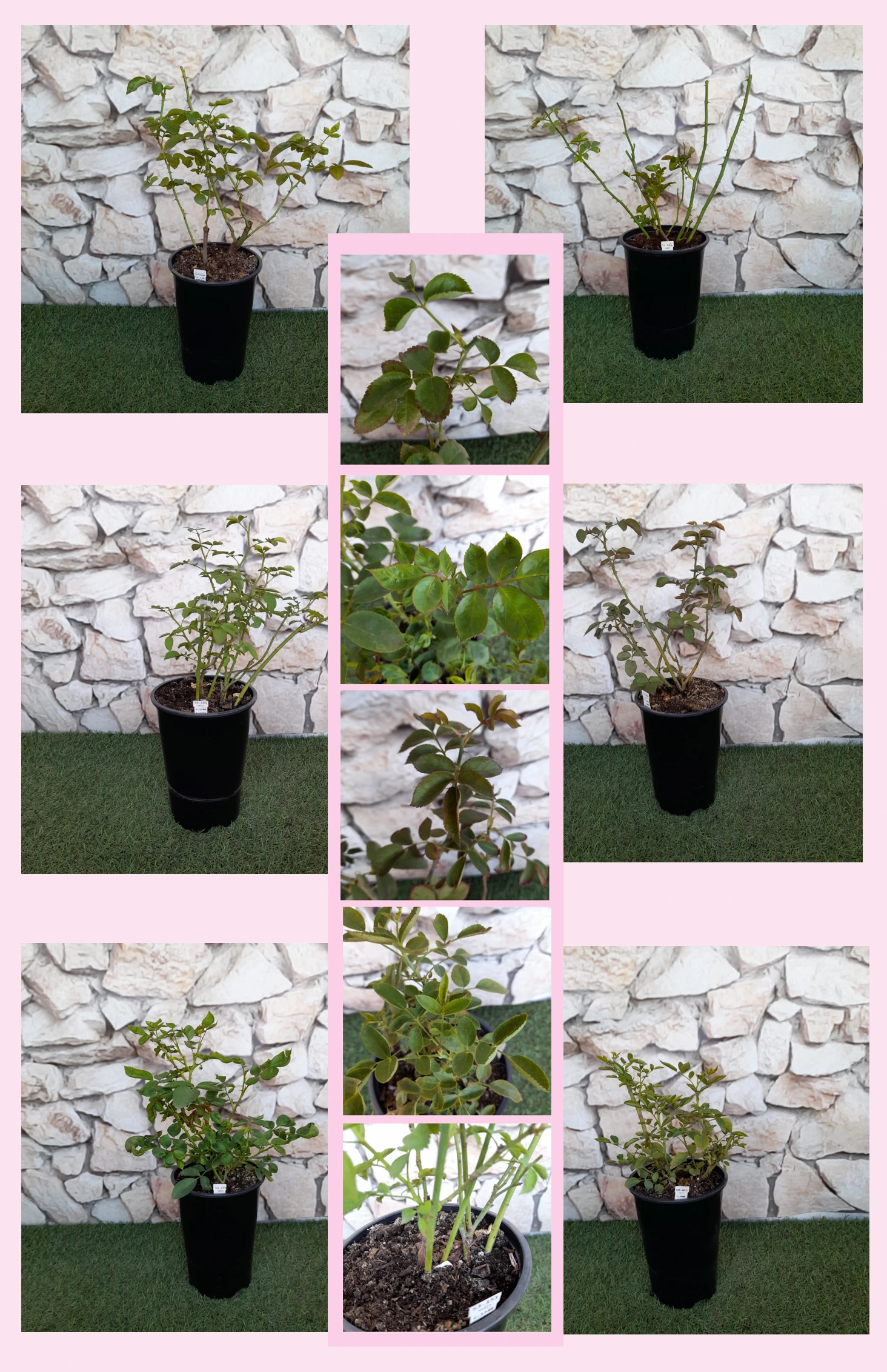
Bushy shrub reaching about 85–115 cm in height with 60–80 cm spread; dense, slightly glossy dark green foliage and moderate prickles give a full, well-balanced garden presence. |
| Flower morphology |
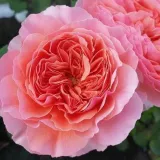
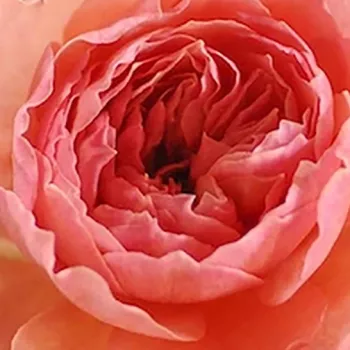
Very full, double, rosette-form flowers in XL size borne mainly solitary; repeat-flowering habit with generous second flush, petal count typically between 26 and 39 per bloom. |
| Colour data and phenology |
Moderately deep coral-orange with pink undertone; buds deep coral, opening to warm coral, then soft rose-peach with creamy edges, ARS OP and RHS 40B outer, 36A inner petal tones. |
| Fragrance and aroma |
Described fragrance is softly sweet but of very weak intensity; in typical garden conditions the scent remains subtle, contributing more to atmosphere than to strong perfumed impact. |
| Hip characteristics |
Due to very double flowers, hip set is generally low; any hips formed are small, spherical, around 8–12 mm diameter, typically orange-red and mainly of ornamental rather than wildlife value. |
| Resistance and winter hardiness |
Rated medium for common fungal diseases such as black spot, mildew and rust; good heat tolerance with moderate drought endurance and winter hardiness around −21 to −18 °C (RHS H7, USDA 6b). |
| Horticultural recommendations |
Best in full sun with improved drainage; spacing 50–90 cm depending on use, typical densities 2.8–3.2 plants/m²; medium maintenance with occasional pest and disease checks for best display. |
KAOLIKAZALI offers warm coral blooms, a naturally bushy habit and dependable repeat flowering on a long-lived own-root shrub; a thoughtful choice if you would like lasting cottage charm with modest upkeep.