KENENDURE – yellow flowerbed floribunda rose – Kenny
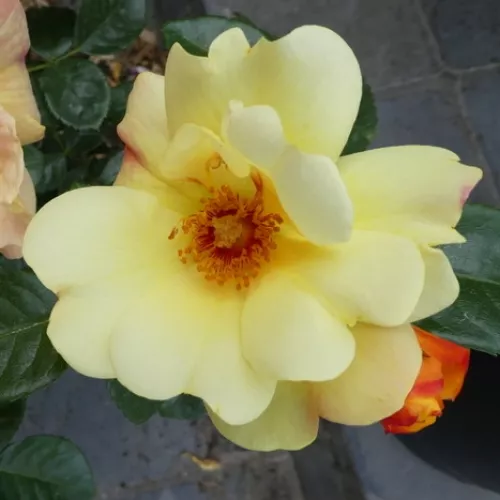
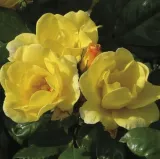
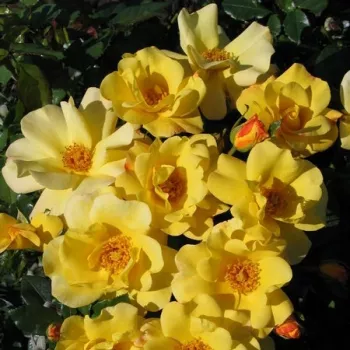
With its storybook clusters of soft yellow blooms, KENENDURE creates a relaxed cottage-garden atmosphere that feels made for afternoon tea and unhurried weekends. This compact floribunda settles reliably even in exposed, breezy plots, helping it cope with typical British weather where gardens can be buffeted by wind and rain. Its single to semi-double flowers open a vivid, glossy yellow before softening to pastel with the lightest blush at the petal edges, giving a constantly changing colour play through the season. As an own-root shrub, it ages gracefully with good long-term structure, keeping beds looking full and established. In smaller family gardens, its compact habit and neat spread make it easy to position between perennials or near paths, while the moderately open flowers remain accessible to pollinators. Once planted, it rewards steady, simple care with generous repeat flushes, especially when you build in routine spraying and basic hygiene. The light, unobtrusive fragrance suits seating areas where you prefer colour over perfume, and its tidy foliage supports a coherent, low, formal edging or an informal cottage border with equal ease. Over the first few seasons, you will see strong root establishment, then increasingly woody framework and finally the full, colourful bedding effect that anchors your garden design.
Usage options
| Target area | Reasoning |
|---|
| Front of cottage-style mixed border |
KENENDURE’s compact, dense framework and modest height keep the front of a border visually tidy while providing reliable structure that does not swamp nearby perennials, ideal for a relaxed but ordered cottage look for the homeowner. |
| Low, tidy flowerbed edging |
The consistent compact growth habit and naturally rounded outline allow you to clip or lightly shape plants for a clean edging line, giving a formal touch along paths or lawn margins without complicated pruning for the family. |
| Colour-focused family seating area |
The very light, almost imperceptible fragrance means the focus is on colour and flower form, suiting patios and play-adjacent seating where bright, cheerful blooms are wanted without a strong scent dominating the space for the sensitised. |
| Pollinator-accent corner in a kitchen garden |
Single, open flowers with accessible stamens provide modest support to visiting insects, making KENENDURE a gentle addition near herbs and vegetables where every extra pollen source helps, especially for the nature-lover. |
| Mass planting in small urban front gardens |
Regular, plentiful repeat flowering delivers a stable visual impact from a relatively small footprint, creating a cohesive, colourful front-garden carpet when planted at the recommended density for the urbanite. |
| Wind-exposed or breezy beds |
The compact stature and dense, mid-green foliage give the plant better anchoring and less wind-rock than taller shrub roses, helping it cope in more exposed, blustery British sites that often see frequent showers for the coastal. |
| Large container near entrance (min. 40–50 L) |
Its modest size and contained spread are practical in a generous pot, where roots have room to develop steadily and the repeated yellow flushes frame doorways or small terraces without overwhelming limited space for the busy. |
| Long-term feature in a small family garden plan |
As an own-root rose, it can rebuild from the base after harder pruning or accidental damage, supporting a long-lived presence and a predictable, low, shrubby outline that anchors planting schemes for many years for the planner. |
Styling ideas
- COTTAGE-RIBBON – Thread KENENDURE in a loose line through borders with dwarf yarrow and lavender to echo an English cottage path – ideal for romantic-style gardeners.
- FORMAL-EDGE – Plant a close-spaced, low row along a lawn or gravel path, clipping lightly to mirror a miniature hedge – for those who like neat structure with blooms.
- DOORSTEP-WELCOME – Use one shrub in a 40–50 litre container flanked by rosemary, giving a soft yellow focus around the front door – suited to busy urban homeowners.
- KITCHEN-CORNER – Combine with herbs and dwarf yarrow in a sunny kitchen garden bed, adding gentle colour and modest insect interest – perfect for grow-your-own enthusiasts.
- PARKLET-BED – Repeat-plant KENENDURE in small municipal-style beds for steady colour and a low, compact outline – fitting for those recreating a smart public-garden feel at home.
Technical cultivar profile
| Parameter | Data |
|---|
| Name and registration |
Floribunda bedding rose registered as Kenendure, marketed as KENENDURE – yellow flowerbed floribunda rose – Kenny; classified within bed rose groups and suitable for exhibition floribunda classes. |
| Origin and breeding |
Bred by David Kenny in Ireland (2008) from complex floribunda parentage including ‘Baby Love’, ‘Flower Carpet’, ‘Golden Wedding’ and ‘Bright Smile’; introduced and registered internationally in 2009. |
| Awards and recognition |
Recognised in several European trials: Bronze at The Hague (2009), Certificate of Merit in Belfast (2010), first prize at Hradec Králové (2012) and Gold Standard rating in UK trials (2012). |
| Growth and structural characteristics |
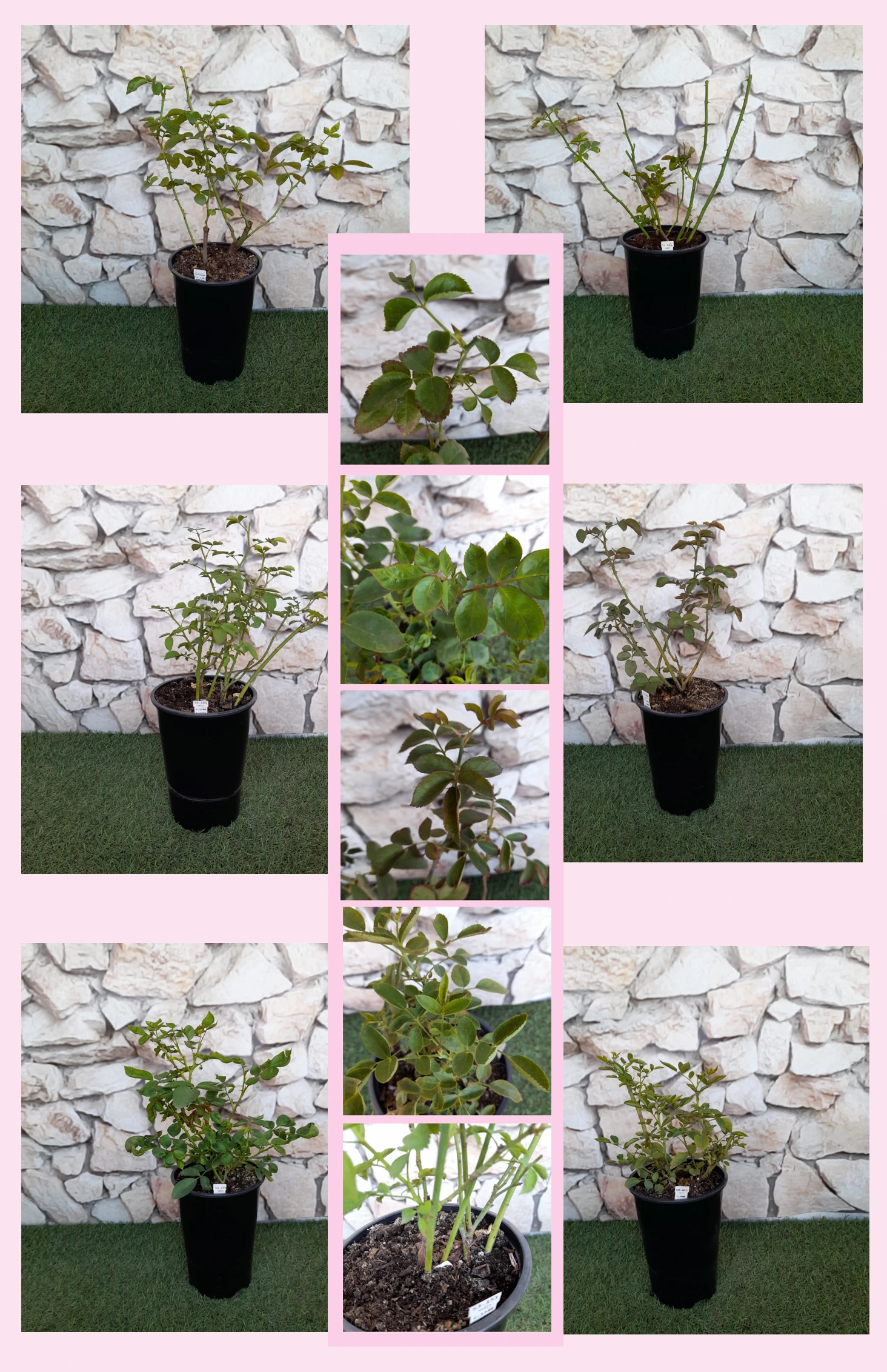
Compact, dense shrub reaching about 60–85 cm in height and 40–55 cm in spread, with moderately prickly stems and mid-green, slightly glossy foliage that builds a stable, low bedding structure. |
| Flower morphology |
Produces single to lightly petalled clusters with around 5–12 petals per bloom, medium-sized flat flowers in generous trusses, repeating with a plentiful second flush during the main growing season. |
| Colour data and phenology |
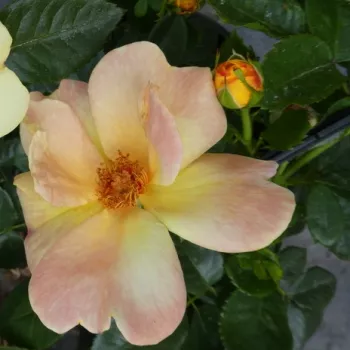
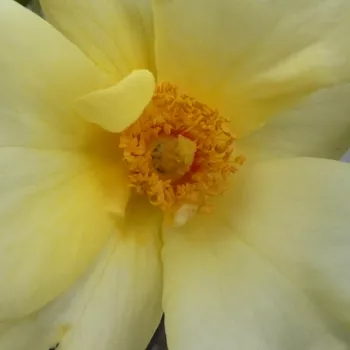
Bright sun-yellow blooms (RHS 14A outer, 14B inner) open glossy, then gently fade to pastel yellow with occasional pinkish tinges, giving a soft, romantic colour shift as flowers mature and age. |
| Fragrance and aroma |
Fragrance is very weak and barely noticeable, so it will not compete with scented companions; best chosen where colour, form and season-long display take priority over strong perfume in the planting plan. |
| Hip characteristics |
Hip set tends to be limited; when present, hips are small spherical globes around 9–12 mm diameter, colouring to orange-red tones and offering a modest seasonal accent later in the year. |
| Resistance and winter hardiness |
Hardy to around -15 to -12 °C (RHS H6; Swedish Zone 2, USDA 7b) but with medium susceptibility to powdery mildew and black spot and high rust sensitivity, requiring regular, preventative plant protection. |
| Horticultural recommendations |
Best in beds, hedging lines or urban green spaces at 35–75 cm spacing; maintain with routine spraying and hygiene, partial-shade tolerant but performs best in sun, and benefits from well-drained, prepared soil. |
KENENDURE offers compact structure, generous repeat flowering and a gentle, unobtrusive presence in the garden, with the own-root form supporting long-term resilience and making it a thoughtful choice for enduring planting schemes.