MASORA – peach nostalgic rose - Yoshiike
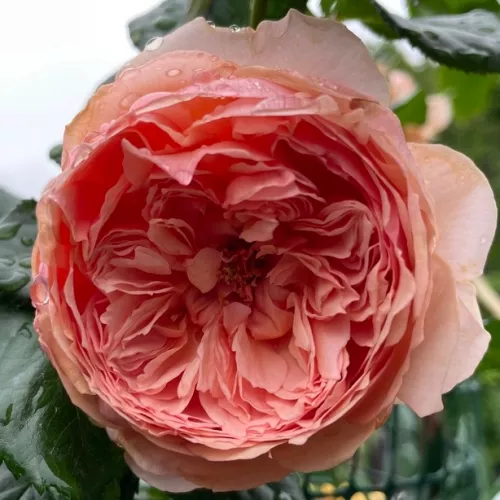
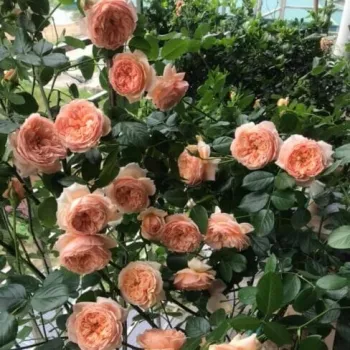
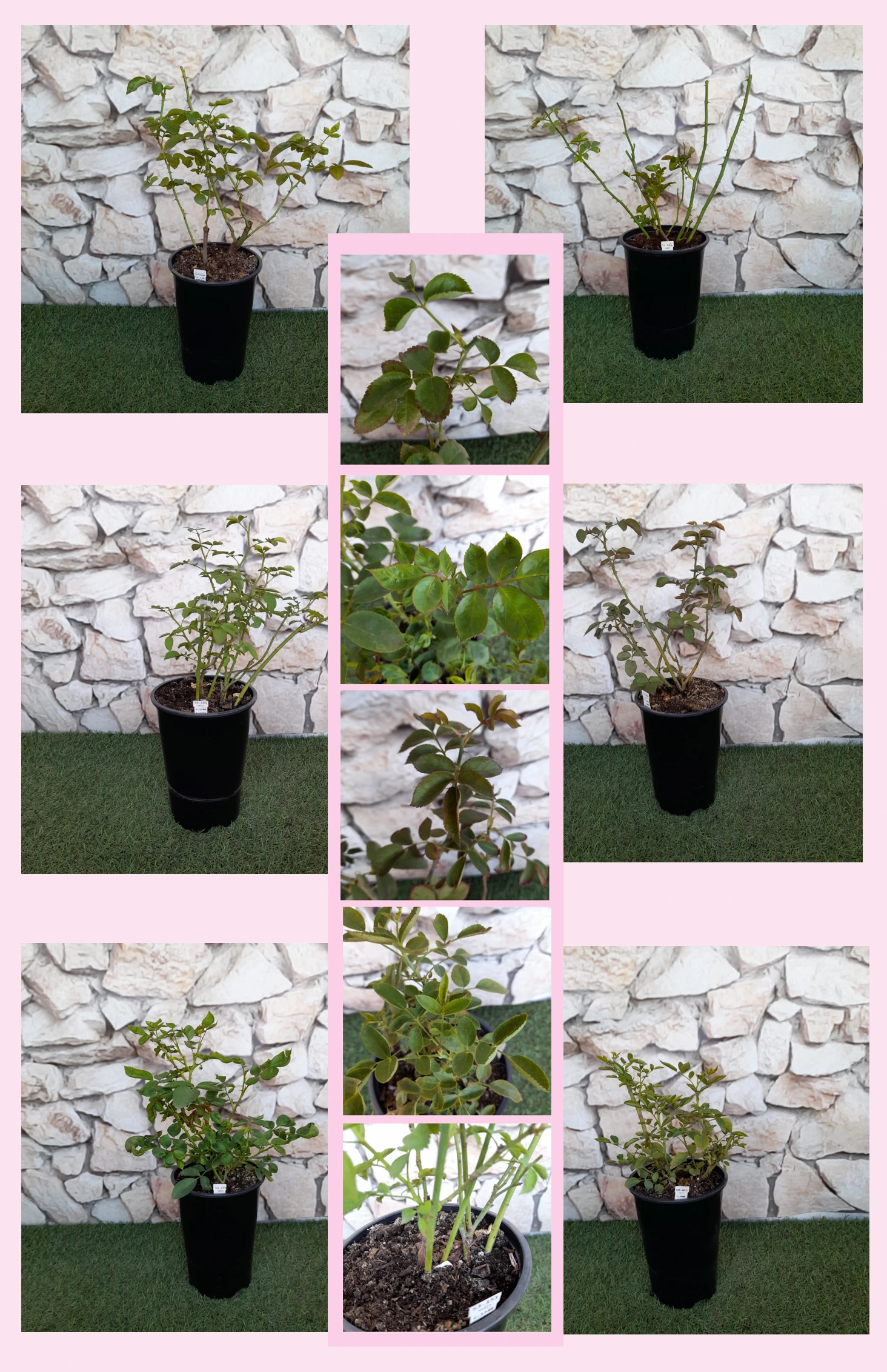
With its generous, peach rosettes and strong, fruity tea fragrance, MASORA brings a romantic, storybook feel to everyday gardens without demanding expert care. This upright shrub forms a cottage-style presence that suits narrow borders and cosy seating areas alike, offering reliable repeat-flowering from summer into autumn. As an own-root plant it promises long-term stability, quietly rebuilding after winter or minor damage and maintaining a steady ornamental value over many years. Easy to establish in typical family plots, it copes well with coastal breezes and summer showers by simply ensuring the soil does not remain waterlogged in prolonged wet spells, giving you dependable colour and scent even in less-than-perfect conditions. In its first seasons MASORA concentrates on underground roots, then builds more substantial shoots, before revealing its full ornamental charm in about the third year as a mature, well-furnished shrub that anchors the heart of an English-style garden.
Usage options
| Target area | Reasoning |
|---|
| Feature shrub by a seating area |
Planted near a bench or terrace, MASORA’s strong fruity, tea-scented fragrance and nostalgic rosette blooms create a gentle focal point for afternoon tea or evening unwinding. The upright habit keeps flowers close to nose height, ideal for enjoying scent in small family spaces, especially for the homeowner. |
| Cottage-style mixed border |
The refined peach colouring blends effortlessly with perennials such as lady’s mantle, heuchera and hostas, giving a soft cottage look that never clashes. Its repeat-flowering habit provides continuity between early and late perennials, so borders stay romantic and coherent with minimal replanting, perfect for the cottage-lover. |
| Low informal hedge or row |
Planted at around 50–55 cm spacing, MASORA forms a loosely upright, moderately dense line that frames paths or separates a kitchen garden from the lawn. Own-root resilience means gaps from winter loss are far less likely over time, suiting long-term boundaries valued by the planner. |
| Specimen in a large container |
In a 40–50 litre or larger pot, MASORA becomes a portable statement rose for patios or roof terraces. Its moderate height and upright growth keep it tidy in confined areas, while own-root vigour allows for gentle, flexible pruning without fear of losing grafted tops, reassuring the beginner. |
| Family garden centrepiece near lawn |
Placed where children play and family gatherings happen, MASORA offers generous, full flowers without sprawling wildly. Deadheading improves flowering, but even basic care maintains a pretty, structured shrub, making it suitable for busy households who want beauty with limited time, ideal for the family. |
| Part-shade side garden or courtyard |
MASORA tolerates partial shade, so it can brighten those half-sunny strips by fences or garages where other roses sulk. The warm peach tones remain refined rather than brash, helping small, overlooked corners feel intentionally designed and welcoming for the urbanite. |
| Cut-flower source for the home |
The large, very full rosette blooms, borne in clusters, make luxurious, fragrant stems for jugs and vases. By cutting regularly you also help compensate for the poor self-cleaning, encouraging fresh buds and keeping the shrub neat, which suits the practical yet romantic arranger. |
| Border anchor in exposed, changeable weather |
With good heat tolerance and medium disease resistance, MASORA copes with summers that swing between hot, dry spells and breezier, wetter periods, as long as the soil drains freely after heavy rain. This reliability under typical UK swings in weather will appeal to the relaxed but quality-conscious gardener. |
Styling ideas
- Peach-Tea Corner – Seat MASORA beside a small bistro set, underplanted with soft lady’s mantle and dwarf heuchera to echo its warm tones – for homeowners creating a romantic tea nook.
- Kitchen-Path Border – Line the way to your vegetable beds with MASORA at regular intervals, filling gaps with herbs and lavender for scent layering – for cottage-garden cooks who pick as they walk.
- Pastel-Cloud Bed – Combine MASORA with pale pink roses, cream foxgloves and airy grasses to build a dreamy, pastel drift – for lovers of gentle, storybook borders.
- Courtyard Focus – Grow MASORA in a 50-litre terracotta pot with trailing thyme or sedum at the rim to soften the container edge – for urban gardeners wanting easy structure and perfume.
- Evening-Fragrance Walk – Plant MASORA near a frequently used path with soft groundcovers and hostas so its scent and colour accompany every stroll – for busy families who relax in the garden after work.
Technical cultivar profile
| Parameter | Data |
|---|
| Name and registration |
MASORA, Romantic rose collection shrub; commercial type nostalgia rose; American Rose Society exhibition name Masora; trade name Masora Romantic rose Yoshiike; premium gold quality. |
| Origin and breeding |
Bred by Teizō Yoshiike in Japan, 2009; parentage Heritage × Amber Queen; registered 2011 and introduced after 2011; breeder’s granddaughter lends her name to this romantic shrub rose. |
| Awards and recognition |
Gold Medal at Nagaoka International Fragrant Rose Trials, Echigo Hillside Park, 2009; Best Rose Award at 3rd Japanese National Fragrant Rose Competition, Echigo Hillside Park, 2009. |
| Growth and structural characteristics |
Upright shrub, height 110–170 cm, spread 60–100 cm, moderately dense glossy dark green foliage, moderately thorny stems; self-cleaning is poor, so regular deadheading of spent blooms is advised. |
| Flower morphology |
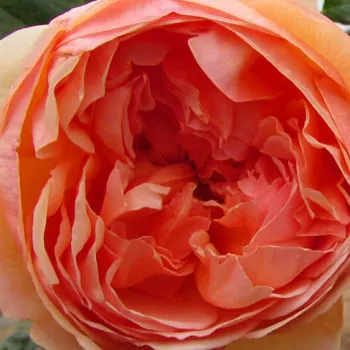
Very full, rosette-shaped blooms with 40+ petals, large size around 7–10 cm, produced mainly in clusters; remontant, giving a good second flush when regularly deadheaded and moderately fed. |
| Colour data and phenology |
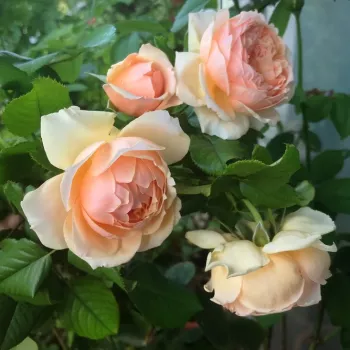
Delicate apricot-peach with lighter petal edges; buds deep peach to salmon, opening rich peach then pastel, fading to pale cream-peach; colour richer in cool weather, fading faster in heat, ARS ab, RHS 22D, 24B. |
| Fragrance and aroma |
Distinct, strong scent with fruity and tea notes; blooms are very double and usually conceal stamens, so decorative and fragrance value is high while pollinator attraction remains relatively low. |
| Hip characteristics |
Produces moderate quantities of small, spherical hips, 10–15 mm diameter, coloured orange-red; hips add discrete late-season interest without overwhelming the shrub or requiring extra management. |
| Resistance and winter hardiness |
Hardy to approximately −21 to −18 °C (USDA 6b, RHS H7, Swedish zone 3); heat tolerant with regular watering in drought; disease resistance medium, resistant to black spot, very susceptible to powdery mildew. |
| Horticultural recommendations |
Suited to beds, specimens, hedging and large containers; spacing 50–90 cm depending on use, 3.2–3.7 plants/m²; moderate maintenance with occasional fungicide for mildew and routine deadheading for best display. |
MASORA offers refined peach blooms with strong fragrance, reliable repeat-flowering and long-lived own-root resilience; a thoughtful choice if you want lasting cottage charm with manageable care.