METANOÏA – orange climbing rose
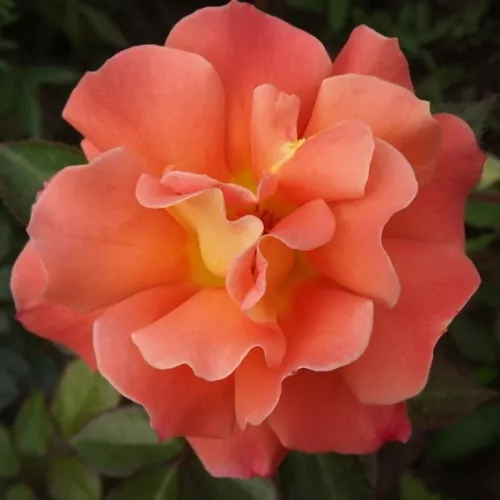
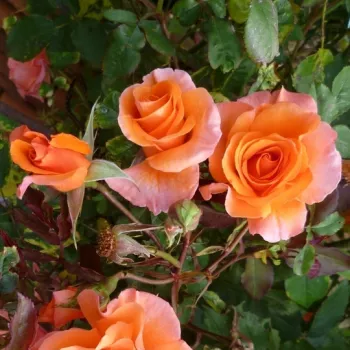
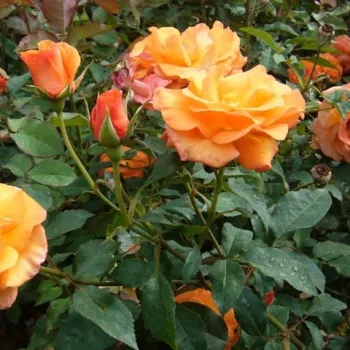
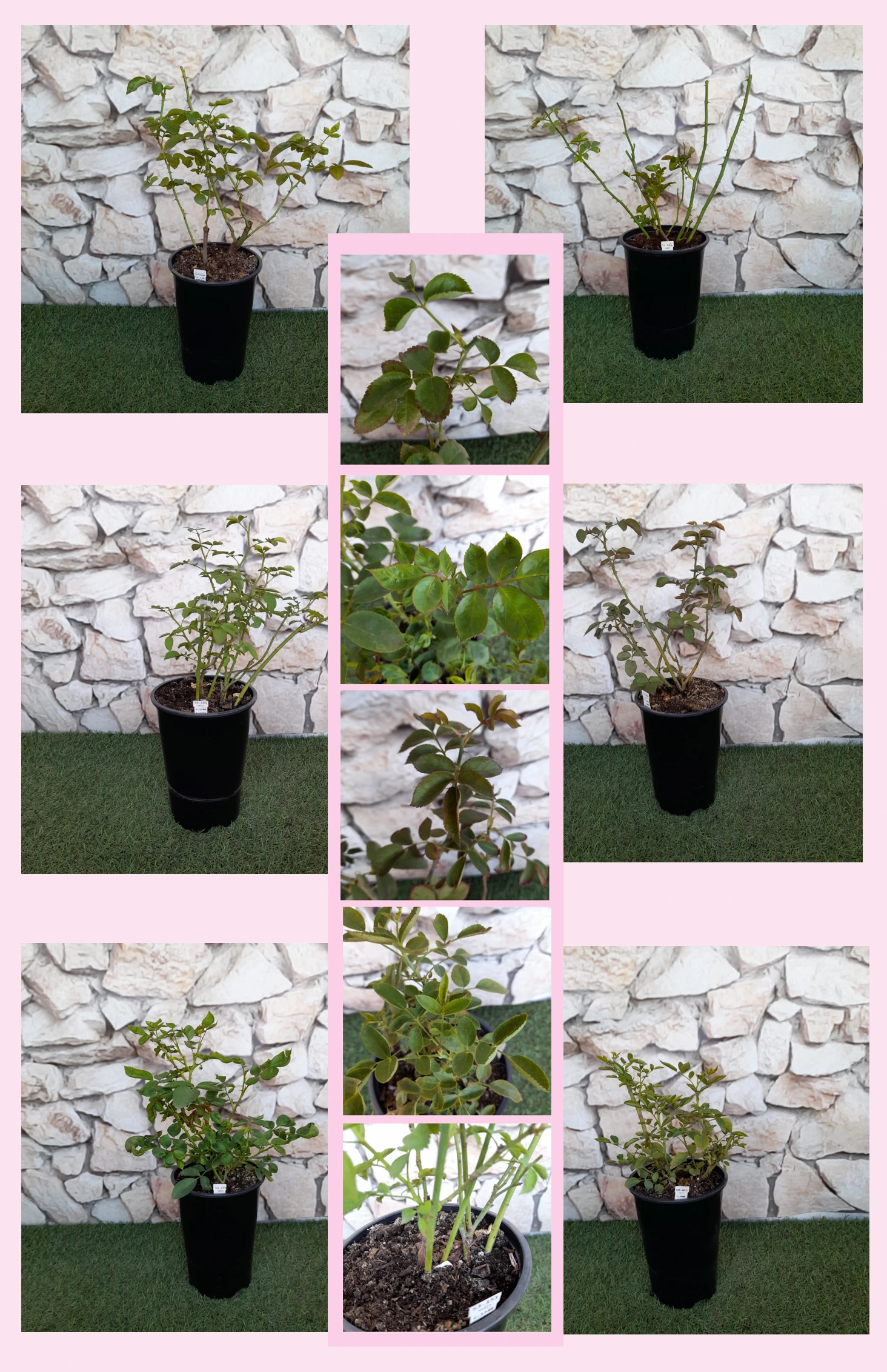
Transform a plain boundary into a romantic, storybook retreat with METANOÏA, an own‑root climbing rose that brings warmth, romance and colour to pergolas, arches and house walls. Its medium vigour and 2–3.5 m height make it easy to guide over an arbour for afternoon tea, while glossy dark foliage and coral‑orange to peach blooms create a soft cottage‑garden palette. Enjoy reliable repeat flowering through the season with only medium care needs, and benefit from the long‑term stability of an own‑root plant that can quietly rebuild from the base if winter or pruning are less than perfect. It settles well even where heavy clay encourages you to improve soil or use a simple raised bed, and its semi‑double flowers offer a subtly sweet fragrance and partial pollinator appeal for a lived‑in, family‑garden feel.
Usage options
| Target area | Reasoning |
|---|
| Arbour or pergola seating area |
Ideal for framing a seating nook where you can enjoy afternoon tea, this climber’s manageable height and medium vigour make training and tying in straightforward over a small pergola. Repeat flowering brings flushes of coral‑orange and peach through summer, giving evolving shade and privacy without demanding specialist pruning skills, well suited to a busy homeowner. |
| House wall or sunny garage wall |
Along a warm south or west‑facing wall, METANOÏA’s glossy dark foliage and warm colour blend soften brick or render, while own‑root resilience supports a long lifespan even if sections are frosted or cut back hard. Regular but simple watering keeps this medium‑vigour climber steady rather than overpowering, making it practical for a first‑time gardener. |
| Garden arch on a family path |
Used on a metal or wooden arch, the 2–3.5 m growth and semi‑double blooms create a welcoming, storybook tunnel without excessive weight or thick canes that are hard to manage. Its remontant habit means children and visitors see flowers repeatedly, and the long‑lived own‑root framework offers dependable structure for a family‑garden owner. |
| Boundary fence or trellis screen |
On a timber fence or simple trellis, medium vigour allows you to fill gaps gradually, giving privacy without constant cutting back. Own‑root growth builds a sturdy base over the first seasons, supporting years of flowering cover, which is particularly helpful where you want a low‑effort, enduring screen as a time‑pressed resident. |
| Cottage‑style mixed border backdrop |
Planted at the back of a mixed border, METANOÏA’s warm coral‑orange tones harmonise with soft pinks, creams and blues, while the dark green leaves provide contrast for perennials and herbs. As roots establish first, then top growth, ornamental presence increases naturally over its early years, rewarding a cottage‑garden enthusiast. |
| Rural kitchen‑garden edge or fruit cage |
Training this rose along a fruit cage or kitchen‑garden fence adds romantic structure without taking up much ground space, and the semi‑double flowers bring partial pollinator interest alongside vegetables and soft fruit. With medium disease resistance and simple tying‑in, it suits a functional but pretty plot for a practical grower. |
| Small courtyard with large container |
Where soil is poor or space is limited, METANOÏA can be grown in a 40–50 litre container with a trellis or obelisk, giving height and colour to a patio. The own‑root plant’s ability to regenerate from the base supports long‑term use in the same pot, needing only routine watering and feeding for a urban balcony‑owner. |
| Coastal or exposed suburban garden |
In breezier, more exposed sites, the flexible canes and medium foliage density reduce wind damage, while steady rooting helps it anchor securely and cope if planted with improved drainage in heavier soils. Medium disease resistance supports healthy leaves under typical British humidity, making it a reassuring choice for a low‑maintenance seeker. |
Styling ideas
- Tea‑Arbour – Train METANOÏA over a wooden pergola with a small bistro set beneath, underplanting with Mexican daisy and low herbs for a soft, pastel cottage look – ideal for romantic weekend unwinders
- Storybook‑Path – Create a rose tunnel on paired arches along a garden path, mixing in Clematis ‘Little Artist’ for layered colour and extended interest – perfect for families who enjoy a magical garden walk
- Kitchen‑Garden‑Frame – Run this climber along a fruit cage or vegetable‑bed fence, linking practical beds with ornamental coral‑peach blooms and partial pollinator appeal – suited to productive plot gardeners
- Courtyard‑Column – Plant METANOÏA in a 50‑litre terracotta pot with a slim obelisk, adding dwarf hostas at the base to cool the roots and soften the container – a good option for compact patio owners
- Boundary‑Glow – Soften a plain fence with this rose on simple horizontal wires, weaving it among lavender and airy perennials for colour that matures gently over the seasons – appealing to lovers of relaxed cottage style
Technical cultivar profile
| Parameter | Data |
|---|
| Name and registration |
METANOÏA – orange climbing rose; large‑flowered climber used as an exhibition climbing rose; ARS exhibition name Metanoïa; commercial type and group: climbing rose. |
| Origin and breeding |
Parentage and breeder are unknown; first distributed by Meilland International SA, France; breeding work completed around 2000, with later commercial introduction and registration data not publicly documented. |
| Growth and structural characteristics |
Climbing rose with creeping habit, typically 240–360 cm high and 110–170 cm spread; moderately dense, glossy dark green foliage; moderately thorny stems suited to training on arches, walls and pergolas. |
| Flower morphology |
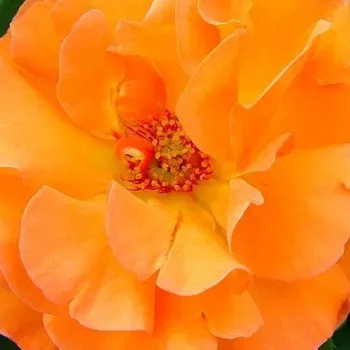
Semi‑double, cupped blooms with 13–25 petals, medium size around 1.5–2.75 inches; cluster‑flowered trusses; remontant with a plentiful second flush providing extended seasonal display on trained structures. |
| Colour data and phenology |
Warm coral‑orange base with pale peach tones; buds deep coral‑orange, ageing through creamy peach to pastel peach‑orange, often with rosy or pinkish tints on outer petal edges as the flowers mature and fade. |
| Fragrance and aroma |
Softly sweet fragrance of mild strength, giving a subtle scented presence rather than a strong perfume; semi‑double form offers moderate accessibility for visiting insects, contributing partial pollinator interest. |
| Hip characteristics |
Limited hip set expected due to semi‑double blooms and regular pruning; where formed, hips are small, ellipsoid, orange‑red, about 6–10 mm diameter, adding occasional late‑season decorative detail. |
| Resistance and winter hardiness |
Hardy to approximately −21 to −18 °C (USDA 6b, RHS H7, Swedish zone 3); resistant to powdery mildew and blackspot, with medium rust susceptibility; moderate heat tolerance, requiring consistent watering in dry spells. |
| Horticultural recommendations |
Best in full sun on pergolas, arches, walls, fences or trellises; medium maintenance with occasional plant protection; recommended spacing 140–250 cm, planting density 0.4–0.5 plants/m² for structured coverage. |
METANOÏA – orange climbing rose offers dependable repeat flowering, romantic warm colouring and long‑lived own‑root resilience; an inviting choice if you wish to dress your garden gently over time.