NAGYHAGYMÁS – pink bedding floribunda rose - Márk
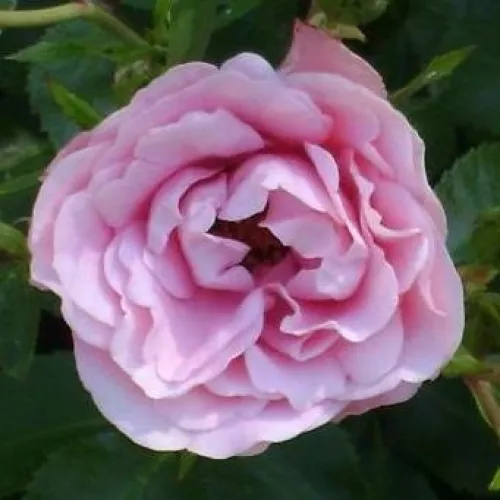
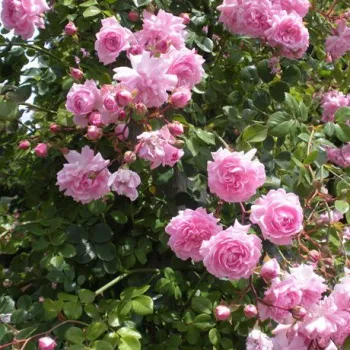
Designed for relaxed afternoons in a family garden, NAGYHAGYMÁS brings a soft, mid-pink cottage feel to beds and low hedges without demanding expert care. This compact, bushy floribunda settles quickly as an own-root plant, building a discreetly robust framework that copes well with typical British summers, even when breezes and showers roll in from more exposed, coastal areas. Once established, its good heat tolerance and moderate drought resilience mean less watering worry for busy householders, while the once-a-year, concentrated flush of cupped, double blooms offers a strong seasonal highlight that combines perfectly with herbs, perennials and kitchen-garden planting. Over the seasons the own-root structure supports a naturally long-lived, easily rejuvenated planting that suits small and medium plots, whether in a traditional border or a generous 40–50 litre terrace container.
Usage options
| Target area |
Reasoning |
| Front-of-border flowerbed in a family garden |
The compact, bushy habit and moderate height keep beds neat and accessible for everyday use, while the soft mid-pink clusters create a gentle focal line along paths or lawns without overwhelming smaller spaces, suiting beginners. |
| Low informal hedge along paths or driveways |
Regular, evenly branching growth makes it easy to line a path at 55 cm spacing, forming a low pink hedge that defines boundaries yet stays welcoming and domestic in scale, ideal for homeowners. |
| Feature rose in a cottage-style mixed border |
The once-per-season flush of cupped, double flowers provides a strong visual highlight that pairs beautifully with geraniums, asters and herbs for a romantic, storybook cottage effect, appreciated by cottage-garden lovers. |
| Urban front garden or courtyard bed |
Good heat and moderate drought tolerance allow it to cope with drier, reflective hard landscaping in town gardens, giving dependable summer colour with modest watering demands, practical for busy owners. |
| Large container on terrace or patio (40–50 litre minimum) |
Its moderate height and bushy frame suit a substantial pot where roots have volume to stay moist and anchored; in a 40–50 litre container it offers a classic rose look close to seating for balcony users. |
| Informal rose grouping in small to medium lawns |
Planting three or five plants at recommended distances creates a rounded island of soft pink colour; own-root plants rebuild structure reliably after harder pruning, offering long-term value for families. |
| Sunny section of rural kitchen garden |
Best in full sun, this floribunda aligns with traditional kitchen plots: clear structure, one main bloom period, and a tidy bush among vegetables and herbs that tolerates warm, slightly drier corners, suiting country gardeners. |
| Exposed, breezier borders in open gardens |
Its moderate bushy growth forms a stable, low centre of gravity that anchors well where gardens face prevailing winds and regular rain showers, giving reassuring structure and seasonal colour for coastal residents. |
Styling ideas
- Cottage-Ribbon – Run a gently curving line of NAGYHAGYMÁS along a lawn edge, infilling with cranesbill and dwarf asters for a storybook pink and blue border – ideal for cottage-style romantics.
- Kitchen-Hedge – Use as a low hedge separating vegetable beds, combining pink clusters with herbs and salad crops for a pretty yet practical potager – suited to rural kitchen-garden keepers.
- Patio-Companion – Plant one rose in a 40–50 litre container with underplanting of trailing thyme or lobelia to bring colour and scent close to seating – perfect for busy terrace and balcony users.
- Parklet-Drift – In larger family gardens, group five to seven plants in a loose drift within a lawn opening, interweaving with ornamental grasses for soft movement – appealing to owners of open, breezy plots.
- Entry-Welcome – Flank a front path or drive with paired rows at 55 cm spacing, underplanting with low catmint to frame the approach in gentle pink – attractive for traditional front-garden planners.
Technical cultivar profile
| Parameter |
Data |
| Name and registration |
Current trade name NAGYHAGYMÁS – pink bedding floribunda rose – Márk; floribunda bed rose shrub type for flowerbeds and hedging; collection: Bedding rose; registered cultivar name and ARS exhibition name not available. |
| Origin and breeding |
Bred by Márk Gergely in Hungary in 2004; detailed parentage and breeding institution unknown; introduced to the market by PharmaRosa Ltd., with some registration and introduction dates not documented. |
| Growth and structural characteristics |
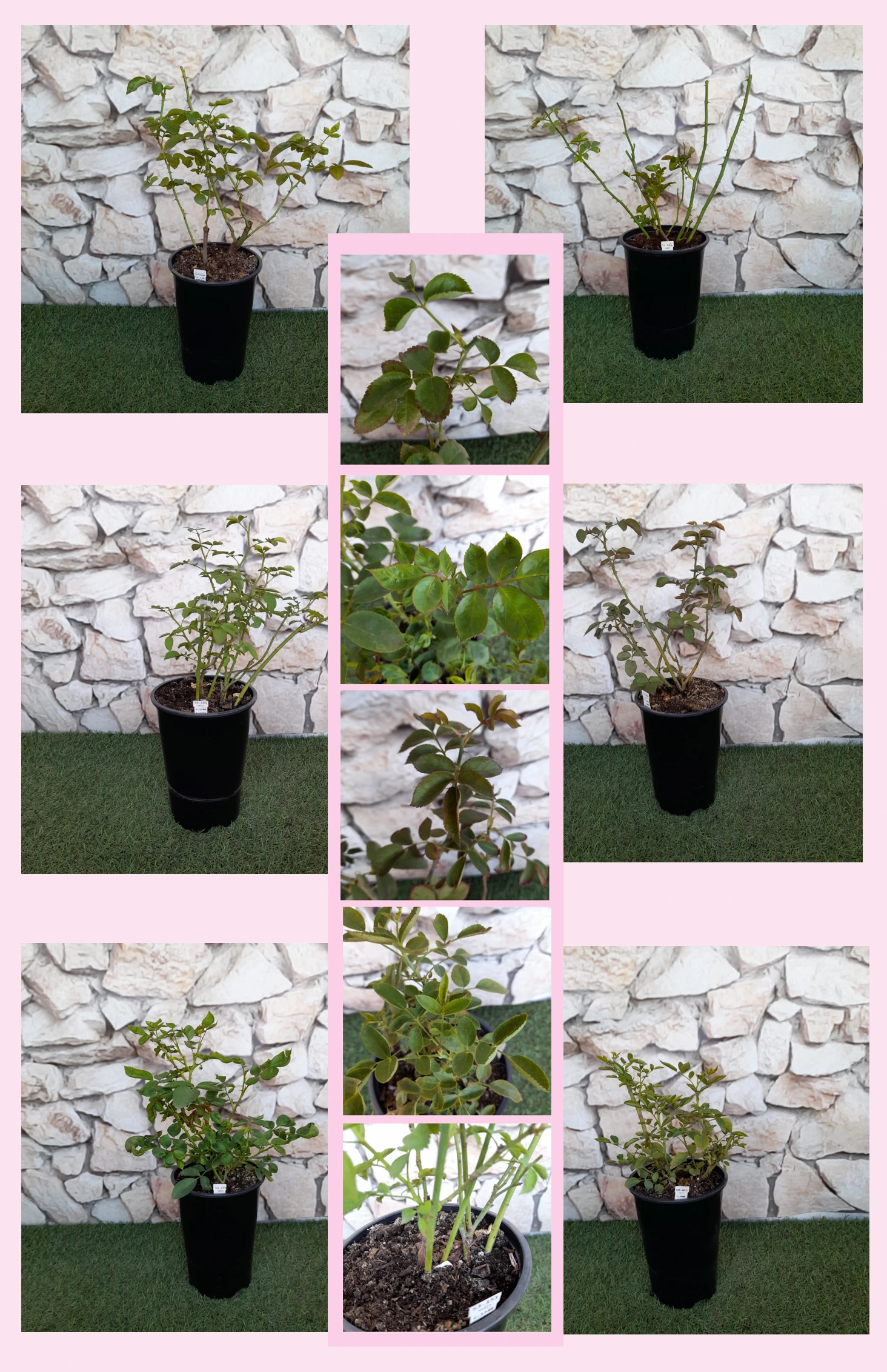
Low, bushy shrub reaching about 40–60 cm high and 75–105 cm spread; moderately dense, mid-green, slightly glossy foliage; moderately thorny shoots and a compact outline suitable for edging and bed planting. |
| Flower morphology |
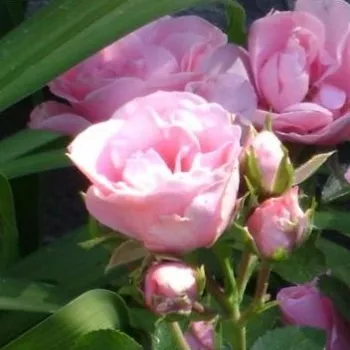
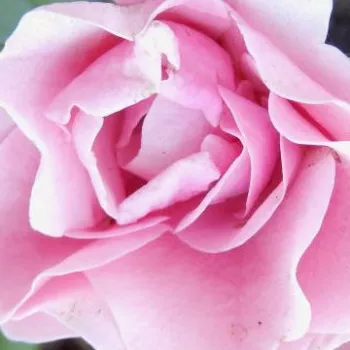
Medium-sized, cupped, double flowers with roughly 26–39 petals; presented mainly in clustered inflorescences; non-remontant habit giving a single principal flowering period each season rather than continuous repeat bloom. |
| Colour data and phenology |
Soft mid-pink flowers, ARS LPk; RHS 65C outer petals and 65D inner; outer whorl slightly paler, centre more vivid; colour lightens modestly in strong sun yet remains pure and silky from bud to full bloom. |
| Fragrance and aroma |
No noticeable fragrance; primarily a visual ornamental rose where bloom form and colour are the focus; double flowers restrict access to stamens and so offer limited appeal to pollinating insects compared with simpler forms. |
| Hip characteristics |
Rose hip set is generally low due to the double flower form; where formed, hips are small, spherical, orange-red, approximately 7–10 mm in diameter, adding only occasional discrete autumn interest in the planting. |
| Resistance and winter hardiness |
Rated RHS H4 and USDA Zone 9a; tolerates typical mild UK winters but benefits from shelter in colder locations; heat and moderate drought tolerance are good; disease resistance to common rose fungi is moderate overall. |
| Horticultural recommendations |
Best in sunny sites; recommended spacing 65 cm in beds, 55 cm in hedges, 100 cm for specimens; density about 2.4–2.7 plants/m²; maintenance medium with occasional plant protection and deadheading of spent blooms. |
NAGYHAGYMÁS offers a compact, bushy pink display with good heat resilience and flexible hedge or border use as a long-lived own-root rose, making it a thoughtful choice if you favour gentle colour with modest care needs.