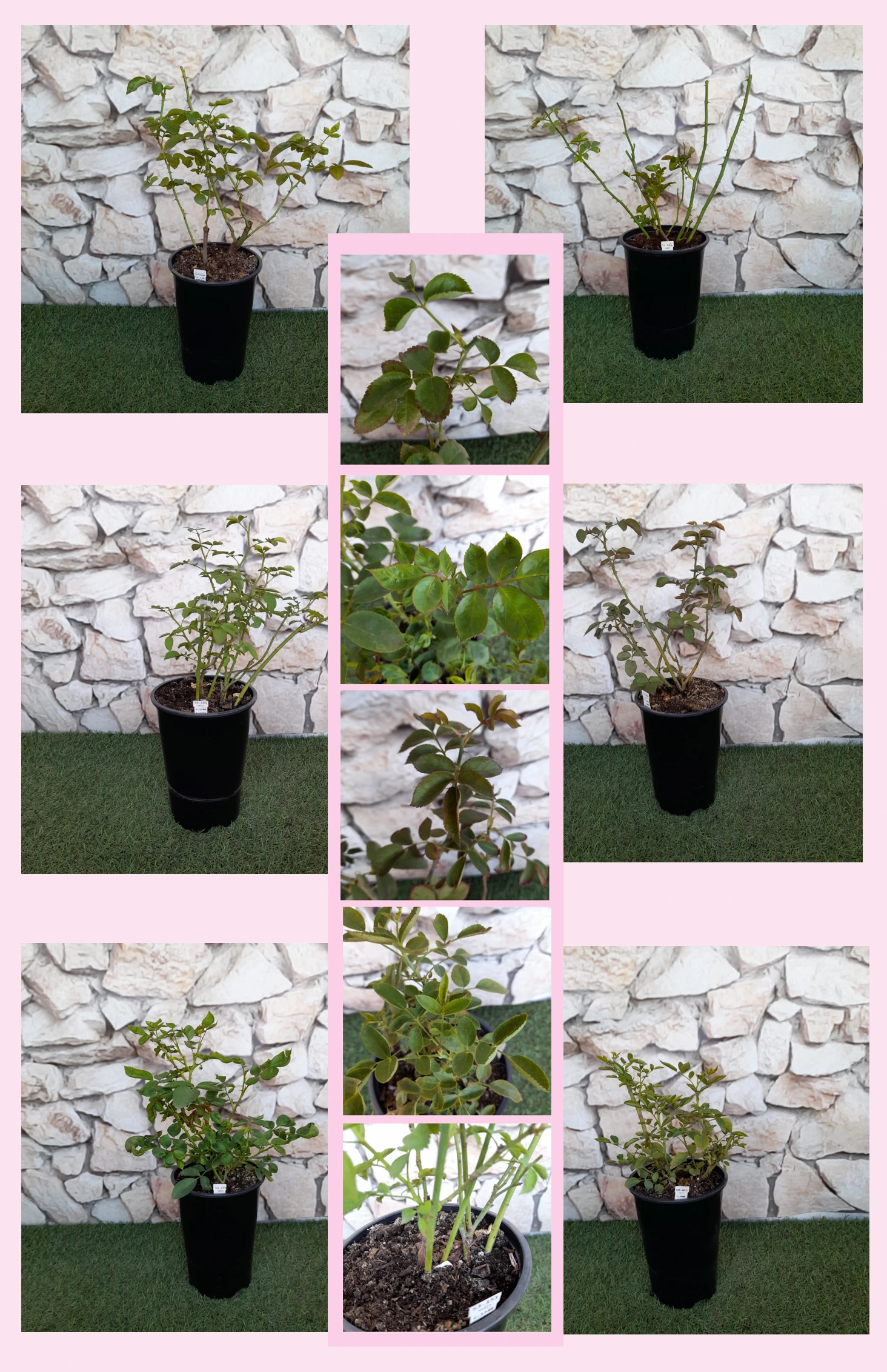
Nice Day climbing rose CHEWsea – salmon-pink miniature climber
Let this compact climber turn an ordinary corner of your garden into a romantic, storybook nook of afternoon teas and relaxed cottage charm; its miniature, salmon-pink clusters clothe arches, fences and pergolas without overwhelming a small family plot, while the own-root form offers reassuring longevity and steady regrowth after winter or pruning. Medium maintenance and moderate disease resistance suit hobby gardeners who prefer simple, seasonal tasks rather than constant spraying, and the plant’s mature height comfortably frames seating areas while remaining easy to manage on a modest support. In coastal or breezier gardens it anchors well and copes reliably with windy, changeable weather, especially in moist, well-drained soil. Over the first few years it settles in quietly – roots first, then top growth – before rewarding you with a curtain of colour, fruity fragrance and a relaxed, feminine ambience that feels perfectly at home beside kitchen gardens, picket fences and old brick walls.
Usage options
| Target area | Reasoning |
|---|
| Small family pergola or rose arch |
The compact, climbing habit and 150–250 cm height make this rose ideal for covering modest arches or pergolas without dominating a small garden, creating a gentle, romantic tunnel effect for outdoor seating areas over time; well suited to those wanting easy storybook structure family gardeners |
| Sunny house wall or fence in a cottage-style border |
Trained against a warm wall or along a sunny fence, the salmon-pink clusters weave naturally among shrubs and perennials, giving that soft “girly” cottage look with straightforward tying-in and light pruning; best for people who like traditional, unfussy planting cottage enthusiasts |
| Rose arbour framing a seating or tea corner |
The medium-strength fresh, fruity scent and repeat flowering make it excellent for framing benches and tea corners where you pass close enough to enjoy the fragrance, while the manageable size keeps paths comfortable; an inviting choice for creating cosy garden rooms romantic homeowners |
| Large container on terrace, balcony or small urban patio |
Grown in a 40–50 litre container with a slim obelisk or trellis, this rose offers vertical colour where ground space is scarce; own-root resilience supports gradual thickening and easier renewal if stems are damaged, ideal for time-pressed city gardeners urban balcony owners |
| Kitchen-garden edge or mixed productive border |
Its warm salmon-pink tones blend beautifully with herbs and vegetables, softening the edges of raised beds while remaining compact enough to train along short supports; small red hips add quiet interest in autumn without demanding extra work kitchen-garden keepers |
| Informal cottage hedge or boundary accent |
Planted at 50–60 cm intervals, the dense, dark green foliage and climbing growth knit into a relaxed, flowered screen that marks boundaries attractively without appearing formal; own-root plants help maintain a full line over many years with minimal replacement traditional-style families |
| Beginner’s feature rose in a new-build garden |
This variety responds well to simple annual pruning and basic feeding, gradually building structure in the first years and then flowering generously, which suits those still gaining confidence; it grows steadily in typical garden soil with only moderate care needs novice gardeners |
| Coastal or exposed suburban garden structure |
Once established, the climbing framework and well-anchored root system help it cope with breezier, changeable weather and occasional drying winds, provided soil is kept moist but free-draining; an attractive option for those gardening near open countryside busy rural owners |
Styling ideas
- Tea-Arbour – Train ‘Nice Day’ over a narrow arch with white-painted metalwork and a gravel path beneath, pairing with lavender and catmint – perfect for lovers of romantic afternoon tea corners
- Cottage-Fence – Let stems weave through a low picket fence with foxgloves, hardy geraniums and daisies in front – ideal for those seeking a soft, “girly” English cottage frontage
- Kitchen-Romance – Place it on a simple wooden trellis at the end of raised veg beds, with chives, thyme and marigolds nearby – suited to home cooks who want flowers in the kitchen garden
- Urban-Obelisk – Grow in a 40–50 litre terracotta pot around a slender obelisk, underplanted with scented herbs – a neat solution for balcony or terrace gardeners wanting vertical colour
- Storybook-Walk – Use pairs of plants on small arches along a path, interplanted with dwarf asters and silver artemisia – attractive for families who want a fairytale walk through their garden
Technical cultivar profile
| Trait | Data |
|---|
| Name and registration |
Miniature climbing rose, registered as CHEWsea, traded as Nice Day climbing rose CHEWsea; exhibition miniature climber suitable for garden use and for cutting where smaller blooms are desired. |
| Origin and breeding |
Bred by Christopher Hugh Warner in Shropshire, UK, from ‘Seaspray’ × ‘Warm Welcome’; bred 1992, registered 1992, introduced 1993 through Warner’s Roses as a compact, repeat-flowering climber. |
| Growth and structural characteristics |
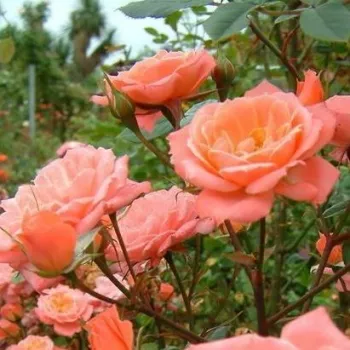
Climbing habit, around 150–250 cm high and 60–100 cm spread, with dense, slightly glossy dark green foliage and moderate prickliness; forms a fine-textured, flexible framework for arches, fences and small pergolas. |
| Flower morphology |
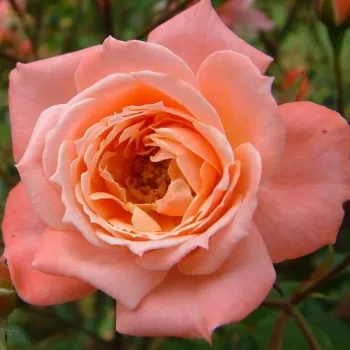
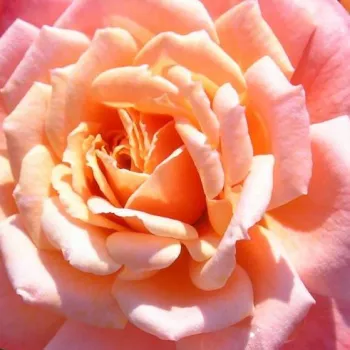
Small, double, cup-shaped blooms with a distinct medium-high centre, typically borne in clusters; 26–39 petals per flower, remontant with a notably abundant second flush in suitable conditions through the season. |
| Colour data and phenology |
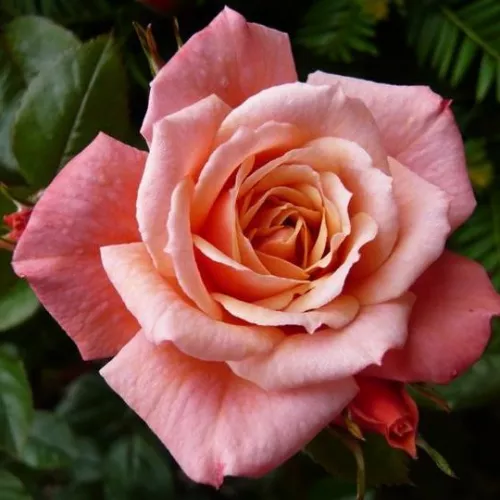
Warm salmon-pink overall; buds vivid orange-pink, opening deeper centrally then fading to soft pink-peach with creamy edges; colour retention modest, but continuous new buds maintain display over the flowering period. |
| Fragrance and aroma |
Medium-strength fragrance with a fresh, fruity character noticeable at close range; best appreciated on still, warm days along paths, seating areas or terraces where the clusters hang at nose height. |
| Hip characteristics |
Forms small, spherical red hips, around 6–10 mm across, produced sparsely; primarily ornamental rather than for harvest, adding a discreet touch of autumn interest without encouraging heavy self-seeding. |
| Resistance and winter hardiness |
Hardy to approximately –21 to –18 °C (RHS H7, USDA 6b, Swedish Zone 3); moderate tolerance to heat and drought if soil is moist yet well-drained, and moderate resistance to powdery mildew, black spot and rust. |
| Horticultural recommendations |
Best in sunny sites with fertile, well-drained soil; suitable for walls, fences, pergolas, arches and large containers, planted 50–100 cm apart; own-root plants reward consistent watering and light training for a lasting structure. |
Nice Day climbing rose CHEWsea offers compact vertical colour, repeat salmon-pink flowering and a gently fruity scent, while its own-root form supports long-lived, easily renewed structure; a thoughtful choice if you favour manageable romance in the garden.