OPHELIA™ – pale pink hybrid tea rose - Paul
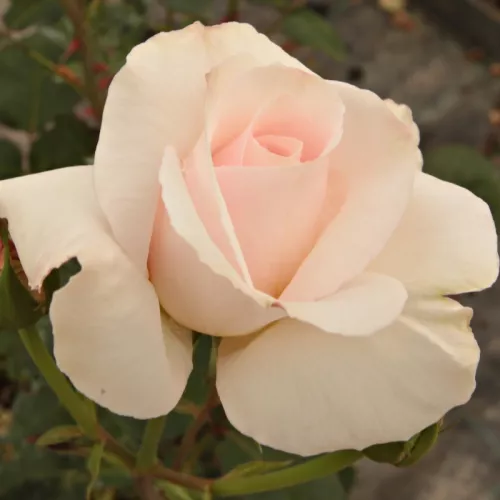
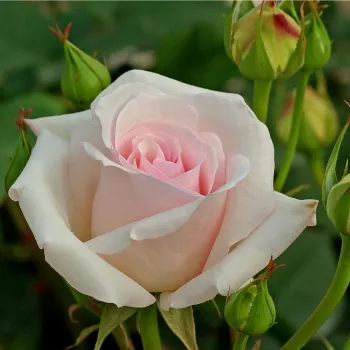
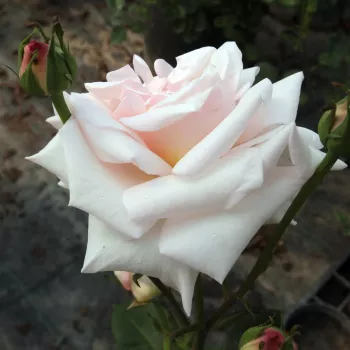
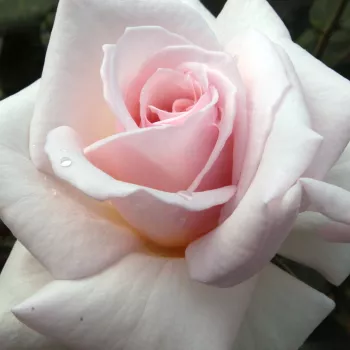
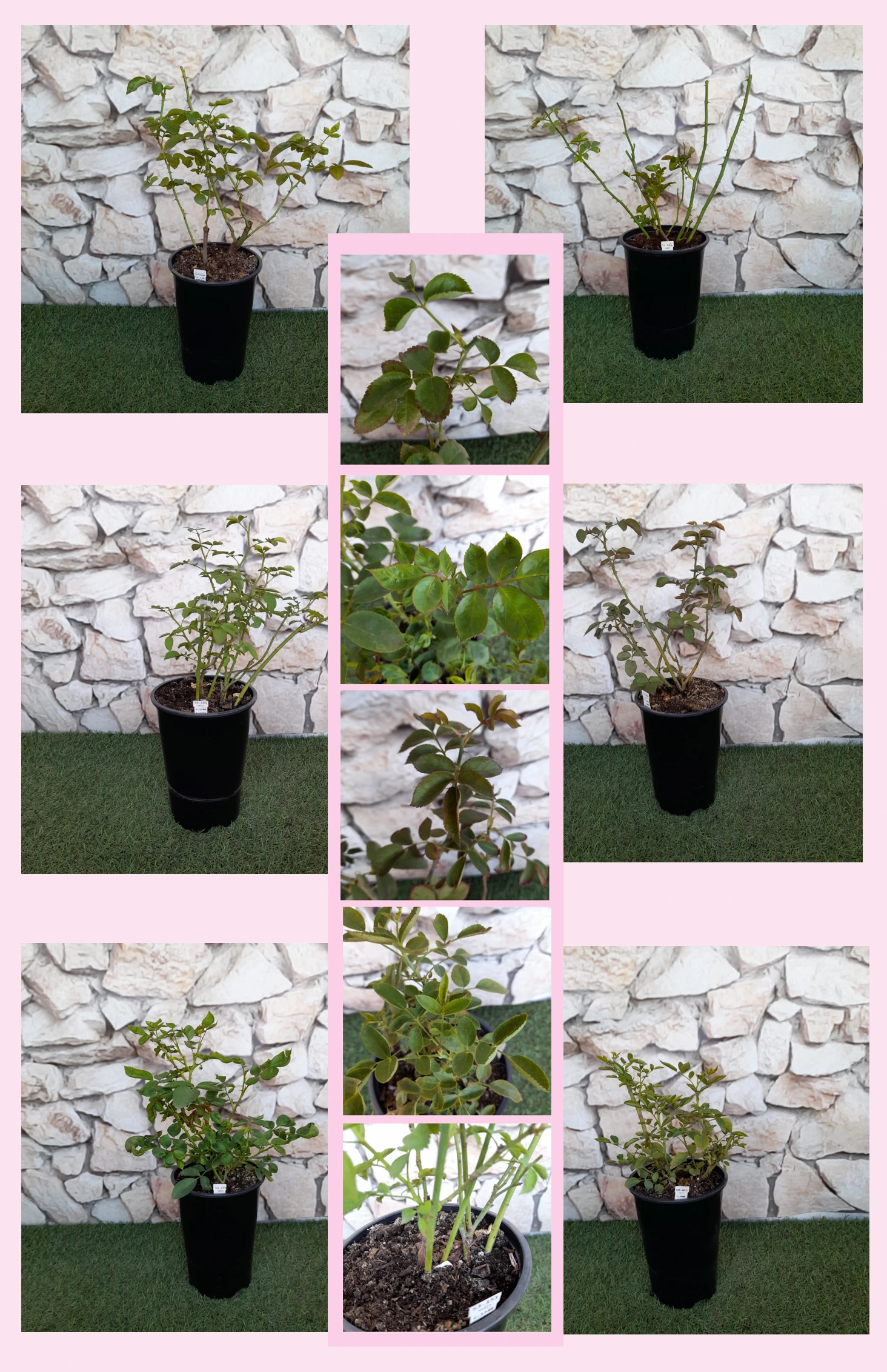
With its softly romantic blooms and reliable garden presence, OPHELIA™ creates a storybook corner of calm in an everyday family garden. This classic hybrid tea forms an upright, bushy shrub that fits comfortably into modest borders, offering elegant, medium-sized, cup-shaped flowers perfect for cutting and arranging indoors. Pastel pink petals with a warm, peachy mid-tone give a refined, “afternoon tea” ambience, while the strong, long-lasting fragrance adds a traditional rose scent around patios and seating areas. Own-root cultivation supports a long-lived, regenerating structure, so even after tougher winters or light pruning mistakes it thickens gradually and remains stable in appearance. Over time its moderately dense, glossy foliage and balanced height give a reassuring, low-fuss rhythm to beds, coping well in exposed, breezier spots where coastal winds and rain can test other roses. In a typical UK plot, you can expect a gentle development arc from establishing roots in the first year to fuller top growth in the second and a settled ornamental presence by the third, achieving that quietly romantic cottage-garden charm with minimal intervention.
Usage options
| Target area |
Reasoning |
| Feature rose near seating or terrace |
Ideal beside a terrace or garden bench where its strong, long-lasting scent can be appreciated at close range, without demanding complex care routines; a good choice for relaxed evening enjoyment for the busy home gardener |
| Classic cottage-style cutting bed |
The upright, bushy habit and solitary, well-formed hybrid tea blooms lend themselves to a small cutting row, providing regular stems for vases while remaining compact enough for modest plots, suiting the romantic cottage enthusiast |
| Mixed perennial and shrub border |
Balanced height and moderate spread allow easy pairing with perennials and low shrubs, filling gaps without overwhelming neighbours and supporting a long-term, stable picture valued by the low-maintenance planner |
| Front garden statement planting |
A refined, pastel colour range presents a welcoming, traditional look at the front of the house and copes well with typical street exposure to wind and passing traffic, reassuring for the style-conscious homeowner |
| Small group planting in family garden borders |
Planting in groups at recommended spacing builds a cohesive drift of colour and scent, forming a readable structure that is easy to prune lightly each year, practical for the time-pressed beginner |
| Large containers on patios and balconies |
Performs well in sizeable containers of at least 40–50 litres, where its bushy form and repeat flowering create a contained, scented feature that can be enjoyed close to the house, convenient for the urban balcony owner |
| Traditional rose border with heritage feel |
As a classic 1912 hybrid tea with repeat flushes, it brings an old-fashioned note and dependable rebloom into a traditional rose bed, with own-root durability supporting decades of enjoyment for the heritage rose admirer |
| Exposed, breezier garden positions |
Its upright, moderately dense growth and well-anchored own-root system make it a steady choice for more open, wind-prone garden spots where reliable structure is needed, helping the practical family gardener |
Styling ideas
- Cottage-porch welcome – Line a short path to the front door with OPHELIA™ underplanted with soft catmints and low lavender, giving a pastel, scented approach – ideal for lovers of traditional cottage entrances
- Kitchen-garden charm – Place a pair of bushes by a veg plot gate, edged with dwarf wormwood for silver contrast, to link productive beds with a romantic rose accent – perfect for kitchen gardeners wanting softness
- Pastel cutting corner – Combine OPHELIA™ with pale foxgloves and white cosmos in a small square bed for easy picking of blooms and a relaxed country-house feel – suited to beginners who enjoy home-cut flowers
- Tea-arbour nook – Position containers of OPHELIA™ either side of a simple arbour or bench, mixing in evergreen groundcover such as Euonymus for year-round structure – appealing to those creating a cosy afternoon-tea spot
- Family-friendly border – In a mixed border, partner with hardy geraniums and dwarf honeysuckle groundcover to soften edges and reduce bare soil, creating a tidy yet romantic strip – good for busy families seeking order and charm
Technical cultivar profile
| Property |
Data |
| Name and registration |
Hybrid tea rose, commercial name OPHELIA™ – pale pink hybrid tea rose - Paul; ARS exhibition name ‘Ophelia’; unregistered cultivar, verified for authenticity for darinarose.co.uk. |
| Origin and breeding |
Raised by William Paul & Son, Waltham Cross, United Kingdom, from an ‘Antoine Rivoire’ seedling; introduced in 1912 and now supplied as a premium own-root garden rose. |
| Growth and structural characteristics |
Upright, bushy habit, 80–110 cm high and 50–70 cm wide, with moderately dense, slightly glossy foliage of medium to dark green and a moderately thorny framework for steady structure. |
| Flower morphology |
Medium-sized, double, cup-shaped blooms with 26–39 petals, usually borne singly on stems; remontant with an abundant second flush, particularly valuable for cutting and repeat display. |
| Colour data and phenology |
Pale pastel pink with a warm, peachy mid-tone; ARS lp, RHS 65C outer and 11D inner; colour holds well, lightening in strong sun and remaining richer in cooler weather before fading to creamy-beige. |
| Fragrance and aroma |
Strong, long-lasting scent with a slightly sweet character; fragrance is noticeable in still air and near seating, adding sensory impact even when plant size remains moderate in smaller gardens. |
| Hip characteristics |
Hip set limited by fully double flowers; where formed, small spherical hips 8–12 mm across develop, ripening to orange-red and offering a discreet seasonal accent in late season. |
| Resistance and winter hardiness |
Hardy to approximately –26 to –23 °C (RHS H7, Swedish zone 4, USDA 5b); disease resistance moderate, generally resistant to black spot and powdery mildew, with rust needing occasional monitoring. |
| Horticultural recommendations |
Best in full sun with regular watering, especially in warm spells; suitable for beds, specimen use and cutting. Plant 45–90 cm apart depending on role, maintaining moderate feeding and periodic deadheading. |
OPHELIA™ offers fragrant blooms, compact, balanced structure and dependable repeat flowering on a durable own-root plant, making it a cultured, long-term choice for those refining a romantic garden, and well worth considering now.