ORGANDIE – cream floribunda bedding rose – Scarman
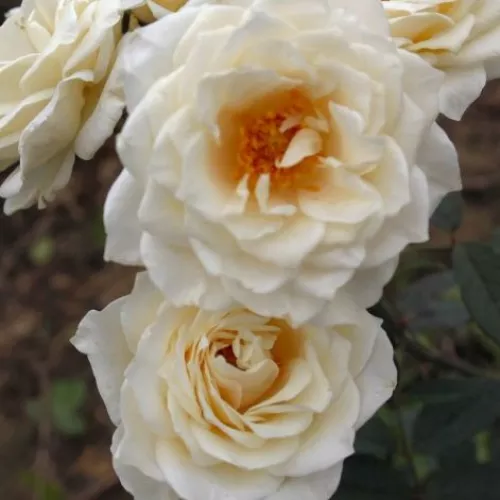
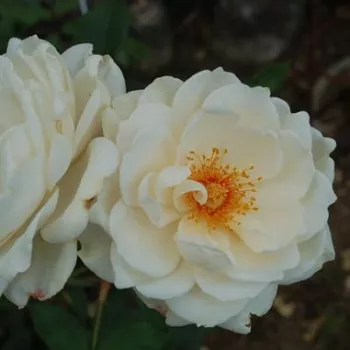
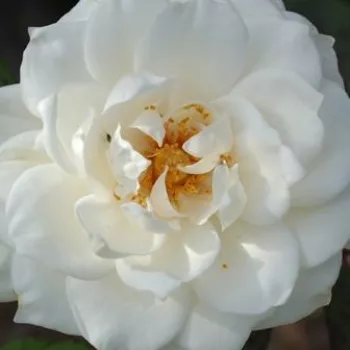
ORGANDIE brings a soft, sentimental glow to the family garden, its semi‑double cream blooms creating a light, textile‑like organdie effect against grey‑green foliage. This upright, bushy floribunda is easy to place in mixed borders or informal hedges, and copes reliably even in breezier plots where gales and showers sweep in from the coast, thanks to its steady, well‑anchored habit. The repeat flowering is generous, with clusters of medium‑sized, cup‑shaped roses appearing from early summer well into autumn, each truss refreshing the planting with a clean, buttery cream tone that suits cottage, “girly” and kitchen‑garden schemes alike. Own‑root plants establish securely over time, offering reassuring longevity, quiet regeneration after pruning or weather damage, and a stable, traditional look for busy gardeners who want romance without fuss. With moderate disease resistance and an H7 hardiness rating, this floribunda is well suited to typical UK conditions, settling comfortably into clay‑based or chalky beds when given basic drainage care. Its strong, lasting fragrance and pollinator‑friendly, open blooms make it an inviting choice near paths, seating areas and arbours where you can enjoy afternoon tea beneath a veil of cream flowers and soft scent.
Usage options
| Target area | Reasoning |
|---|
| Cottage-style mixed border in a family garden |
The upright, bushy structure and moderate height give Organdie the presence needed for a romantic cottage border without dominating neighbouring plants, while its reliable repeat flowering keeps the border lively from summer into autumn for busy homeowners. |
| Low, informal flowering hedge along a path or lawn |
Planted at the recommended hedge spacing, Organdie forms a softly textured, semi‑transparent hedge whose clustered blooms read as a continuous cream ribbon, offering easy shaping and regeneration from the base for low‑maintenance gardeners. |
| Statement rose near seating or an arbour |
The strong, long‑lasting scent and medium‑sized, semi‑double blooms make it ideal beside a favourite bench or arbour, so the fragrance and colour can be enjoyed at close quarters by romantic cottage‑garden lovers. |
| Own-root focal shrub in a small front garden |
On its own at specimen spacing, Organdie develops a well‑anchored bush that ages gracefully, with own‑root growth ensuring long lifespan and dependable flowering that suit long‑term planners. |
| Large container or half‑barrel by the front door |
In a 40–50 litre container, Organdie’s upright, bushy habit and moderate spread create a generous yet manageable presence, providing repeat blooms and fragrance with simple watering and feeding for urban balcony and patio owners. |
| Pollinator-friendly corner near a kitchen garden |
The semi‑double, open flowers with accessible stamens offer forage to visiting insects, combining decorative clusters with moderate pollinator value that links ornamental beds to productive plots for wildlife‑minded families. |
| Traditional rose bed with simple yearly care |
Moderate disease resistance and H7 hardiness suit typical UK gardens; once established, a straightforward pruning approach and the natural progression from root building to fuller flowering over the first three years simplify care for beginner gardeners. |
| Coastal or exposed family garden border |
The firm framework and secure anchoring of this rose help it stand up to strong winds and driving rain in more exposed gardens, maintaining its ornamental display with minimal staking for practical garden owners. |
Styling ideas
- Pastel Ribbon Border – Run Organdie in a loose row with pink foxgloves and pale campanulas for a soft “girly” cottage edge – ideal for romantic family front gardens.
- Kitchen-Garden Charm – Pair Organdie with herbs, chives and low lavender edging to link vegetable plots and ornamentals – perfect for home cooks who love a traditional potager feel.
- Arbour Retreat – Underplant a light climber, such as clematis ‘Rooguchi’, with Organdie at each side of an arbour for layered scent and texture – suited to afternoon‑tea seating corners.
- Cream-and-Grey Harmony – Combine Organdie with hostas and silver foliage perennials to echo its grey‑green leaves – a calm choice for small, refined urban gardens.
- Soft Pathway Hedge – Use Organdie in a loose hedge along a path, interspersed with catmint and hardy geraniums, to create a low, informal guide – great for families wanting easy structure.
Technical cultivar profile
| Parameter | Data |
|---|
| Name and registration |
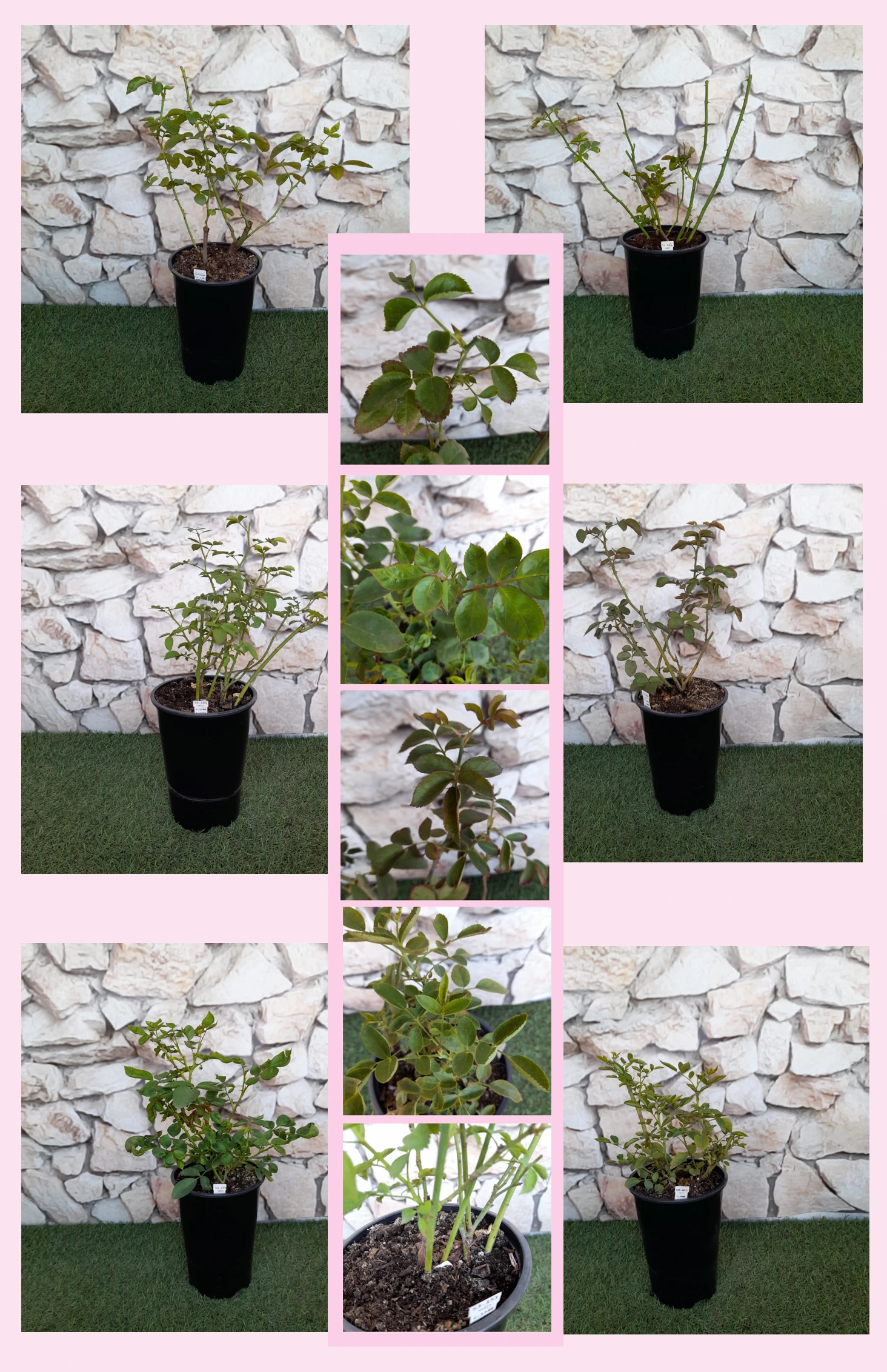
Floribunda bedding rose; trade name Organdie Bedding rose Scarman; exhibition name Organdie; ARS exhibition floribunda; collection: Bedding rose; own-root, container-grown format. |
| Origin and breeding |
Bred by John Scarman in Germany around 2007, introduced by Landhaus Ettenbühl; parentage unknown; developed as a floribunda bed rose for ornamental and cutting use. |
| Growth and structural characteristics |
Upright, bushy shrubs 100–140 cm tall and 80–120 cm wide, with moderately dense, slightly glossy grey‑green foliage and moderate prickliness; suited to borders, hedging and large containers. |
| Flower morphology |
Semi‑double, cup‑shaped blooms with 13–25 petals, medium size clusters on floribunda trusses; repeat‑flowering habit with particularly abundant second flush, making a good cut‑flower and bedding choice. |
| Colour data and phenology |
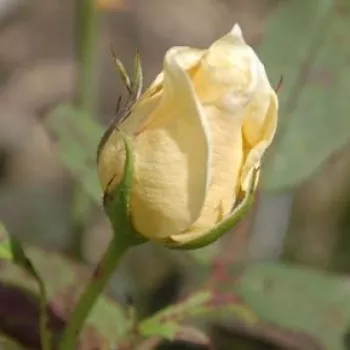
Cream overall tone, ARS white; RHS 8C outer and 4D inner; buds pastel lemon‑yellow, opening to buttery cream and paling almost to white as petals age, with good colour retention in garden conditions. |
| Fragrance and aroma |
Strong, long‑lasting scent of classic rose character; best appreciated at close range near seating or entrances; fragrance intensity makes it suitable for sensory gardens and cutting for indoor enjoyment. |
| Hip characteristics |
Produces moderate quantities of small, ovoid hips, 6–10 mm in diameter; orange‑red by autumn and of decorative value, extending seasonal interest beyond flowering in informal and wildlife‑friendly plantings. |
| Resistance and winter hardiness |
Hardy to approximately −21 to −18 °C; RHS H7, Swedish Zone 3, USDA Zone 6b; moderate resistance to black spot, powdery mildew and rust, benefitting from standard UK rose care when needed. |
| Horticultural recommendations |
Plant at 100 cm for mass bedding, 90 cm for hedging, 180 cm as a specimen; suggested densities 1.0–1.2 plants/m²; medium maintenance with occasional pest and disease control advised for best performance. |
ORGANDIE offers upright, bushy structure, repeat cream flowering and strong fragrance in a durable own-root form that rewards patient gardeners seeking long-lived beauty with relatively simple care, making it a thoughtful addition to a family garden.