PANVESON – mauve hybrid tea rose – PANveson
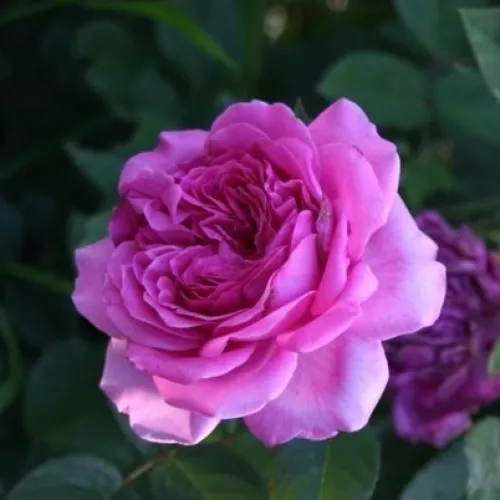
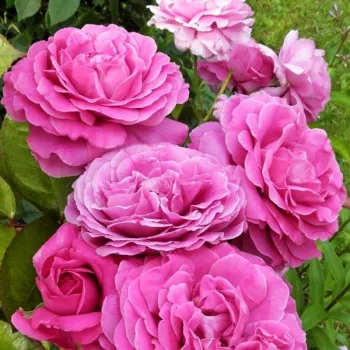
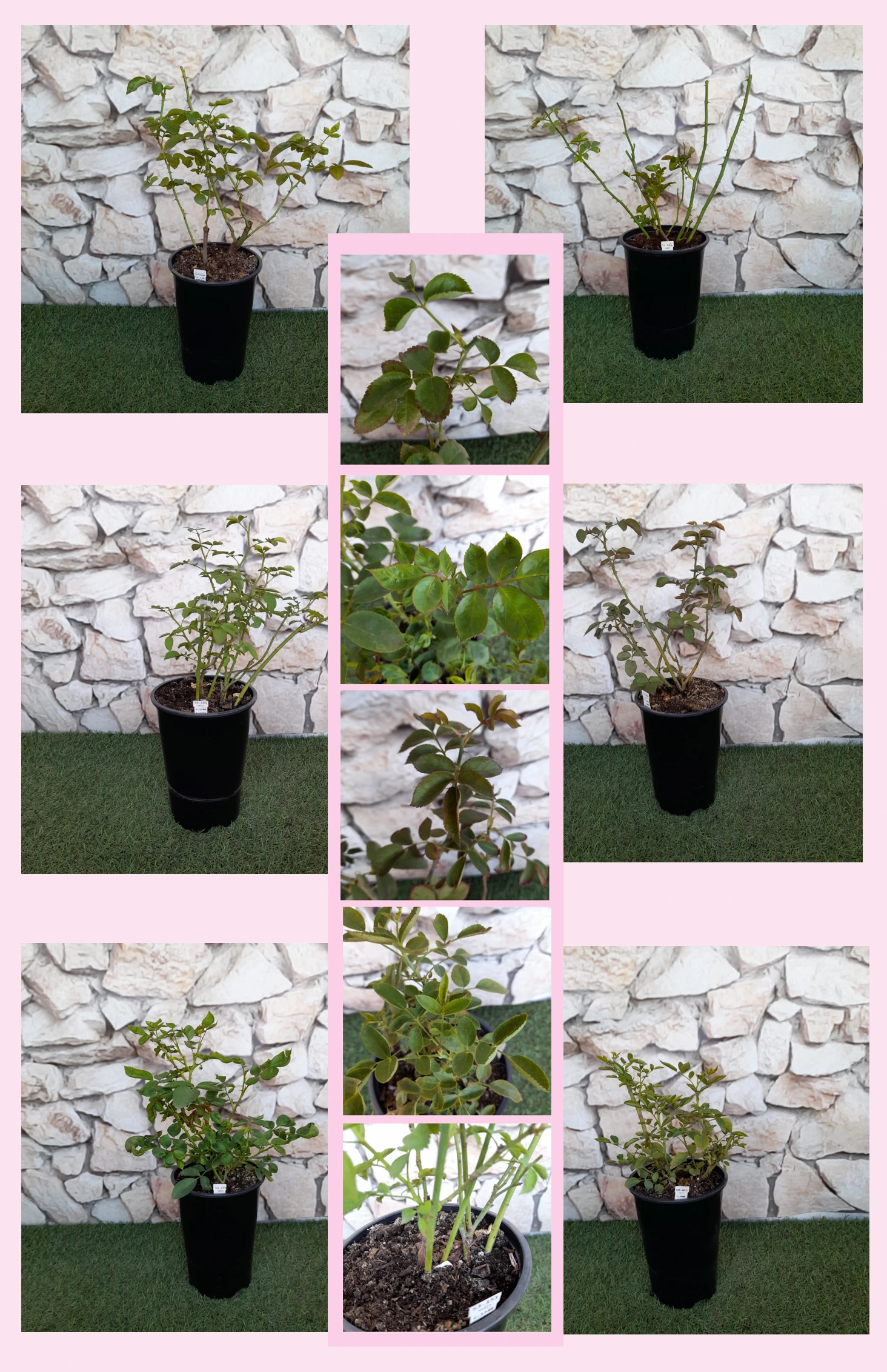
With its distinctive silvery-mauve blooms and strong, fresh fragrance, PANVESON brings a quietly luxurious, romantic note to the cottage-style family garden, evoking leisurely afternoon tea beneath an arbour. This upright hybrid tea is ideal as a specimen rose or planted in small groups along a path or near a seating area, where its high-centred flowers can be admired at eye level. In typical British conditions it appreciates well-prepared soil and good air movement, and rewards you with reliable, remontant flowering from early summer onwards. Own-root planting means solid longevity, steady structure and easier recovery after pruning, suiting busy owners who prefer long-term stability over short-lived impact. Given moderate disease susceptibility, it fits gardeners who are happy to apply regular care, in return gaining a truly distinctive colour effect. Over time you can enjoy a clear development rhythm – roots in year one, generous new shoots in year two, and full, mature ornamental presence by year three, as the plant settles and anchors securely even where conditions can be blustery and damp near the coast.
Usage options
| Target area | Reasoning |
|---|
| Feature rose by a seating area or terrace |
PANVESON’s high-centred, exhibition-style blooms and strong, fresh fragrance make it perfect beside a bench or terrace where flowers can be enjoyed close up. Upright growth keeps the display neat, ideal for a focal plant near regular seating for the romantic cottage gardener. |
| Bed or border in a cottage-style front garden |
The silvery mauve tone blends effortlessly with pastel perennials and low hedging, giving a soft, storybook feel to a front border. Its repeat-flowering habit offers colour from early summer onwards, suiting those who want lasting impact with simple routines for the traditional front-garden owner. |
| Cutting patch for home-grown bouquets |
As a hybrid tea bred for solitary, long-stemmed flowers, PANVESON excels as a cutting rose. The buds open slowly, the blooms hold well in a vase, and the strong scent enhances indoor arrangements, making it attractive for the home flower-arranger. |
| Specimen in a large container near the back door |
Planted in a large container of at least 40–50 litres with good drainage, PANVESON can be kept close to the house, where its fragrance and colour are easy to appreciate. Own-root growth supports long-term structure when repotted sensibly, suiting the busy patio gardener. |
| Mixed rose bed with classic hybrid teas |
Upright habit and moderate spread (50–70 cm) allow predictable spacing in mixed beds. Its unusual veiled mauve colour contrasts elegantly with cream or soft yellow roses, creating a sophisticated scheme that appeals to the collector of classic roses. |
| Edging along paths or garden rooms |
Recommended planting distances (around 50–60 cm) allow you to edge paths or divide garden rooms with a low, fragrant line of blooms. Moderate foliage density keeps the structure readable, supporting an ordered layout valued by the small-family-garden planner. |
| Part-shade corner with morning or filtered sun |
Suitability for partial shade lets PANVESON perform where many roses struggle, such as east-facing fences or spots with dappled light. This flexibility, combined with remontant flowering, brings colour to awkward corners appreciated by the urban courtyard owner. |
| Sheltered beds in exposed or coastal gardens |
Where winds and rain can be frequent, PANVESON benefits from careful siting and well-prepared, free-draining soil, allowing the upright framework to anchor and the blooms to open cleanly in challenging conditions for the weather-aware coastal gardener. |
Styling ideas
- Lavender-Tea Border – Combine PANVESON with lavender and Gypsophila ‘Festival Pink Lady’ for a soft mauve-and-white drift that frames a lawn or path – ideal for lovers of relaxed cottage frontage.
- Romantic Seating Nook – Position a pair of PANVESON roses by a small bench, underplanted with low catmint and pale pink geraniums, to create a scented reading spot – perfect for evening-garden readers.
- Pastel Cutting Corner – Group PANVESON with cream hybrid teas and tall Liatris spicata ‘Kobold’ in a dedicated cutting patch, giving graceful stems for vases – suited to home bouquet enthusiasts.
- Formal Path Edging – Plant a neat line of PANVESON along a straight path with box or low yew behind, letting the mauve blooms soften the structure – attractive for admirers of traditional formality.
- Potager Charm – Tuck PANVESON into a kitchen garden bed with herbs, chives and dwarf Pinus mugo ‘Mops’ for year-round structure and romantic flowers – appealing to rustic potager keepers.
Technical cultivar profile
| Parameter | Data |
|---|
| Name and registration |
Hybrid tea rose, registered as PANveson, traded as Panveson Hybrid tea rose PANveson; ARS exhibition name Sourire de Perigueux, linked to the French town of Périgueux. |
| Origin and breeding |
Bred in France by Bernard Panozzo, introduced and registered in 2007 by Star de Doué; parentage not documented and breeding-institution data not formally recorded. |
| Growth and structural characteristics |
Upright hybrid tea, about 80–120 cm tall and 50–70 cm wide, moderately thorny, with moderately dense, slightly glossy dark green foliage forming a tidy, vertical garden presence. |
| Flower morphology |
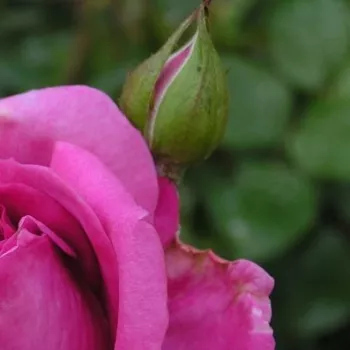
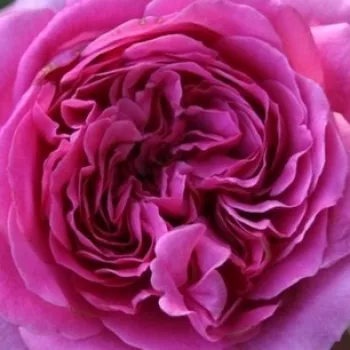
Large, high-centred, pointed buds opening to fully double blooms with around 26–39 petals, borne mainly solitary on stems, repeating well with a notably abundant second flush in summer. |
| Colour data and phenology |
Closed buds are deep bluish-lilac mauve with silvery sheen, opening to veiled mauve and ageing to pastel lavender-mauve with a greyish, silky veil; overall a silvery lilac-mauve effect of medium colour stability. |
| Fragrance and aroma |
Strong, long-lasting perfume with a fresh, citrusy floral character, best appreciated near seating or paths; primary use is ornamental, as the very double blooms limit access for pollinating insects. |
| Hip characteristics |
Rose hips form sparsely because of the full double flowers; where present they are small, about 10–14 mm, ellipsoid and red, adding modest late-season interest without dominating the plant. |
| Resistance and winter hardiness |
Hardy to approximately −21 to −18 °C (RHS H7, USDA 6b, Swedish zone 3); disease resistance is moderate to low, with susceptibility to black spot, powdery mildew and especially rust under pressure. |
| Horticultural recommendations |
Best in fertile, well-drained soil with regular feeding and careful plant protection; suitable for beds, edging, hedging or specimen use, with recommended spacing around 50–90 cm depending on layout. |
PANVESON offers refined silvery-mauve blooms, a strong fresh fragrance and reliable repeat flowering on a long-lived own-root framework, making it a thoughtful choice if you enjoy tending classic roses with character.