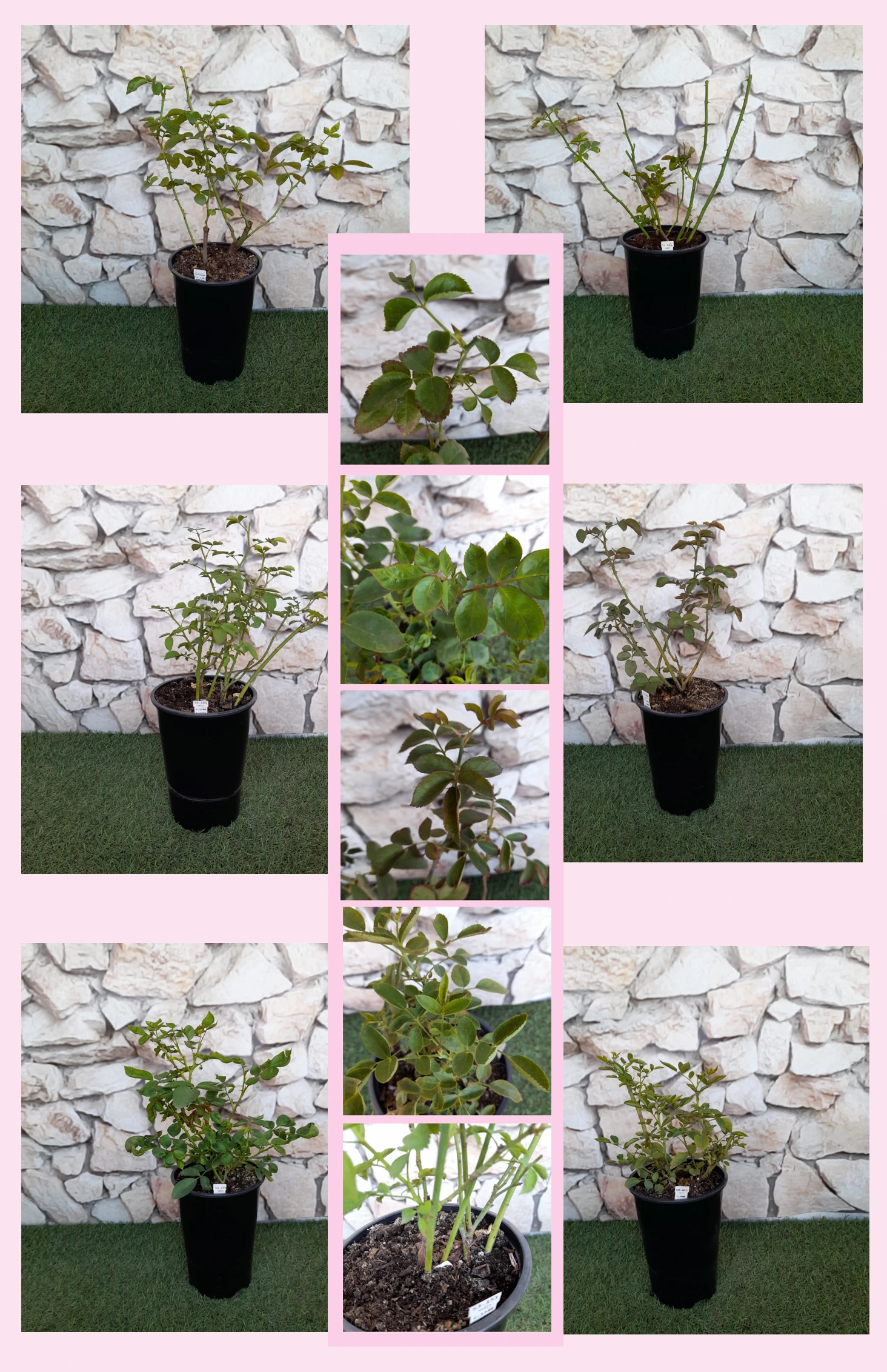
PAUL RICARD – amber-yellow hybrid tea rose - Mouchotte
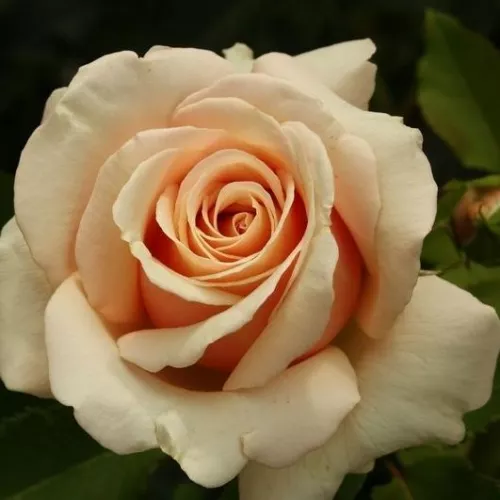
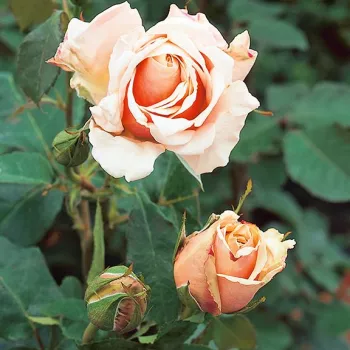
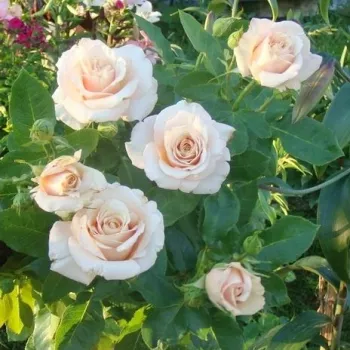
Softly glowing in warm amber tones, Paul Ricard brings a sense of afternoon elegance to small and medium family gardens, combining classic hybrid tea poise with romantic, storybook charm. Its very full, high‑centred blooms open slowly from ochre buds into large, pastis‑coloured flowers, each one richly perfumed with a strong, spicy, aniseed fragrance that makes summer tea under an arbour feel especially cosy. Grown on its own roots, this premium plant builds a dependable framework over time for a reassuringly long garden lifespan, naturally regenerating from below ground if winter or pruning are less than perfect. In containers or beds it settles well even where gardens face brisk coastal winds and frequent showers, provided the soil drains freely around the roots. In its first year it concentrates on roots, the second on stronger shoots, and by the third it typically shows its full ornamental presence.
Usage options
| Target area |
Reasoning |
| Main focal rose near a seating area or terrace |
The extra-large, high‑centred amber blooms and strong aniseed scent draw the eye and nose from a distance, giving you a classic focal point beside a bench or bistro table, ideal for relaxed afternoon tea fans who enjoy a gently theatrical feature homeowners |
| Romantic cottage-style mixed border |
Paul Ricard slots naturally into a “girly” English cottage scheme, weaving its creamy apricot tones between perennials such as garden phlox or feverfew for a soft, storybook effect that still looks ordered enough for family gardens cottage‑style lovers |
| Cutting patch for home-arranged bouquets |
As a hybrid tea with long, strong stems and solitary, exhibition‑type flowers, it is ideal for cutting, giving you scented, amber‑yellow roses for jugs and vases without needing a florist, perfect for those who enjoy informal home flower arranging hobby gardeners |
| Specimen rose in a large patio container |
Its upright habit and dense foliage mean one plant can fill a generous pot; in a 40–50 litre container with good drainage it becomes a compact, manageable statement, suiting busy urban owners wanting romance on a balcony or terrace urban gardeners |
| Small rose bed or feature island in a front garden |
The structured shape and repeat flowering help the plant hold its own in a simple bed of 3–5 roses, offering reliable colour and scent through the season and a welcoming look for visitors without complicated layout planning beginners |
| Sunny spot in heavier or more difficult soils |
In raised beds or improved clay it establishes steadily, the own‑root system anchoring the plant firmly so it copes better with blustery days and frequent rain in exposed gardens, which suits those tending small, weather‑beaten plots coastal gardeners |
| Long-term “family heirloom” feature rose |
Being on its own roots, the variety can regenerate from the base if stems are damaged, so with basic care it can stay in the same place for many years, maturing into a familiar, much‑loved garden presence for growing households family buyers |
| Structured planting near paths and kitchen-garden edges |
The upright, moderately prickly growth and dense leaves form a neat visual line along paths or near kitchen plots, contributing both scent and soft colour while remaining easy to keep in shape with flexible pruning approaches for light tasks busy owners |
Styling ideas
- Cottage Archway – Train Paul Ricard up a simple obelisk or low arch, underplanted with garden phlox and daisies, to frame a narrow path into the veg patch – ideal for cottage‑style romantics
- Amber Tea Corner – Place a large potted Paul Ricard by a small café table, adding pots of thyme and lavender to echo the warm scent and colour – perfect for balcony and patio users
- Front-Garden Welcome – Create a small island bed of three roses with a low edging of catmint, giving a refined yet homely first impression from the street – suited to family front gardens
- Pastel Ribbon – Weave single plants along a border between soft pinks and creams, using feverfew and tickseed for airy texture around the structured blooms – for those who like gentle colour flow
- Kitchen-Garden Edge – Mark the boundary of a kitchen garden with spaced specimens, interplanted with herbs like sage and chives, blending productivity with ornamental charm – ideal for rural home growers
Technical cultivar profile
| Property |
Data |
| Name and registration |
Hybrid tea rose, registered as MEInivoz, marketed as Paul Ricard PERFUMELLA® MEInivoz; exhibition hybrid tea type suitable for both garden enjoyment and cutting. |
| Origin and breeding |
Bred by Jacques Mouchotte for Meilland International from ('Hidalgo' × 'Mischief') × 'Ambassador', introduced and registered in France in 1993 after breeding work completed in 1988. |
| Awards and recognition |
Highly regarded exhibition variety with notable honours including a Gold Medal in Rome, a Certificate in The Hague, a Silver Medal in Saverne and the Prestige de la Rose in Lyon. |
| Growth and structural characteristics |
Upright bush reaching about 85–115 cm in height, spreading 50–75 cm, with dense, mid‑green, slightly glossy foliage and moderate prickliness; best effect from individual or small group planting. |
| Flower morphology |
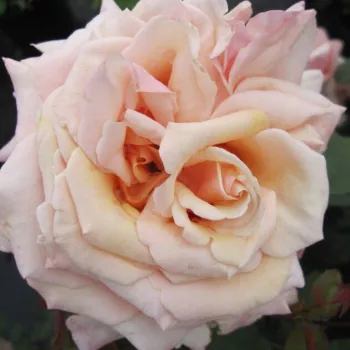
Large, very full, 40+ petalled, high‑centred blooms on mostly solitary stems; classic pointed buds open slowly, providing exhibition‑style flowers ideal for cutting and detailed close‑up appreciation. |
| Colour data and phenology |
Warm amber‑yellow with ochre tones, deep golden ochre buds; creamy beige‑yellow when fully open, fading to pale peach edges in strong sun; remontant, giving a strong second flush of flowers. |
| Fragrance and aroma |
Strong, distinctive perfume with spicy, aniseed notes recalling pastis; the scented, very double blooms are primarily ornamental rather than pollinator plants due to concealed stamens. |
| Hip characteristics |
Rosehips form only occasionally because of the very double flowers; when present they are egg‑shaped, around 12–18 mm in diameter, and display a vivid orange‑red colour in late season. |
| Resistance and winter hardiness |
Hardy to around –15 to –12 °C (RHS H6, Swedish zone 2, USDA 7b) but disease resistance is weak, especially to black spot, so regular preventative care is advisable in humid, high‑pressure seasons. |
| Horticultural recommendations |
Prefers sunny positions with well‑drained soil; maintain feeding and watering in warm spells, deadhead spent blooms, and allow enough spacing for air movement to reduce black spot and mildew problems. |
Paul Ricard PERFUMELLA® MEInivoz offers sumptuous amber blooms, strong aniseed fragrance and elegant cutting quality on a regenerating own‑root plant; consider it if you want a long‑lived, romantic feature rose.