PETTICOAT® – cream-coloured bedding floribunda rose – Kordes
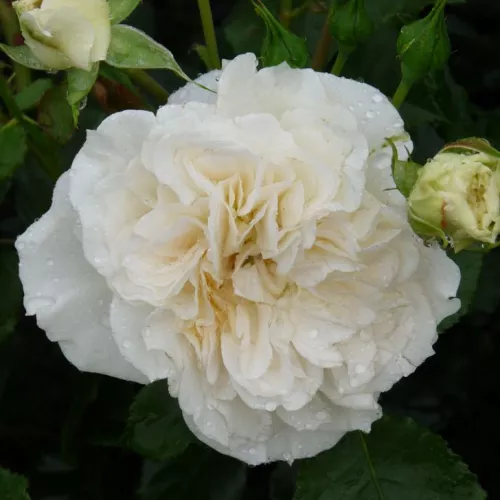
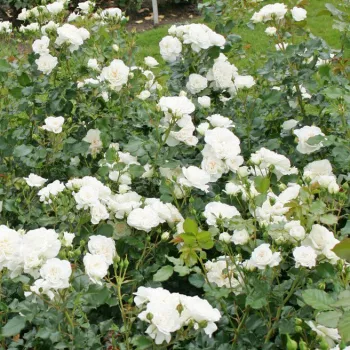
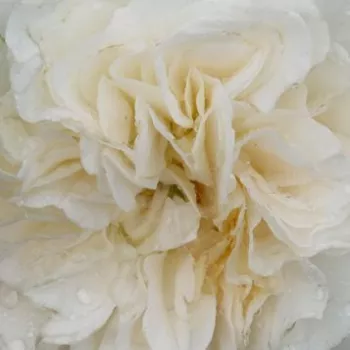
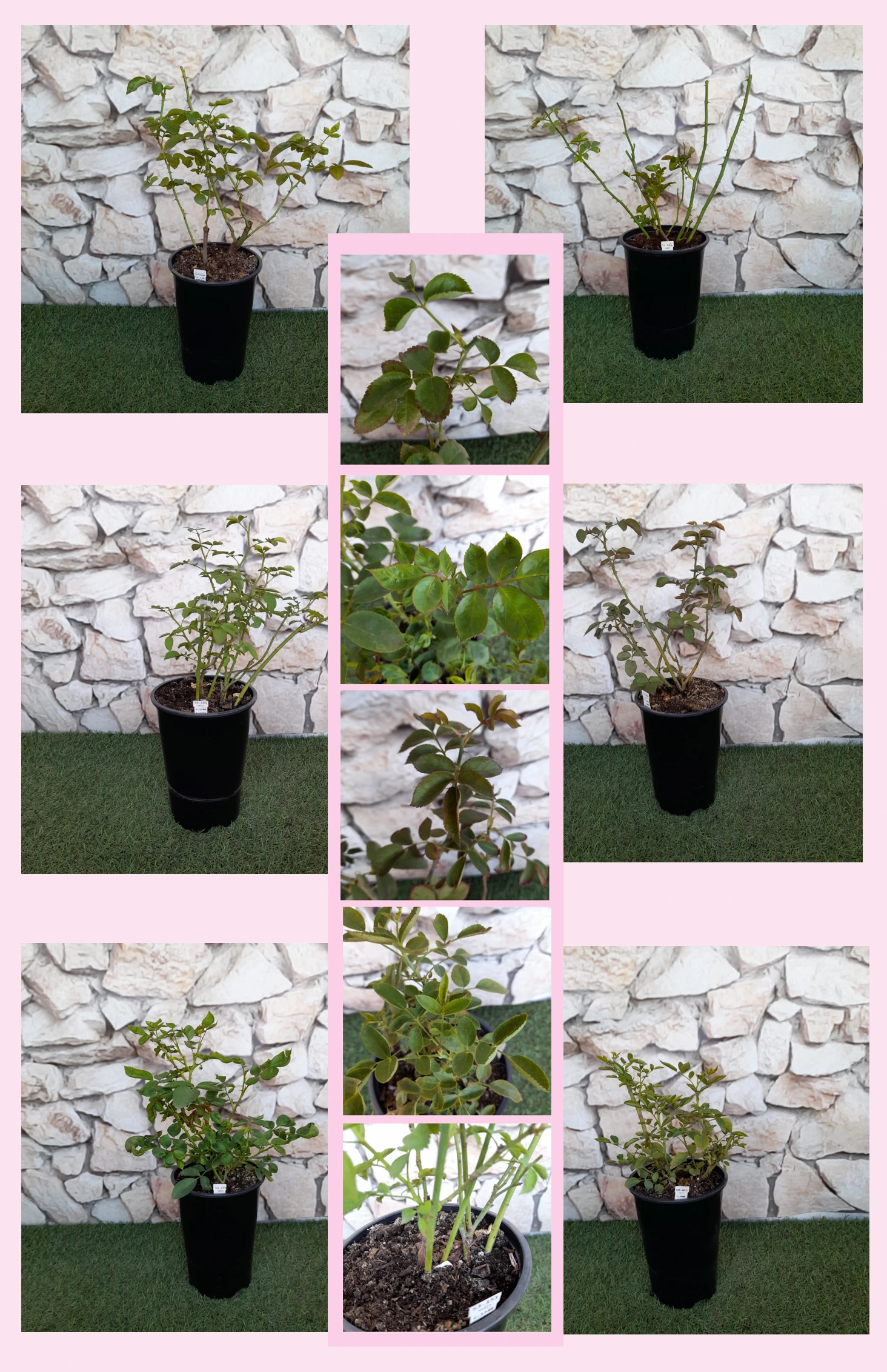
Softly romantic and reassuringly reliable, Petticoat® brings cottage charm to everyday gardens with its creamy rosette blooms flushed with a hint of peach. This floribunda forms a compact, upright structure with dense, glossy foliage, creating a neat, billowing foreground for borders and beds. Bred by Kordes and ADR‑awarded for its health, it offers solid disease resistance and copes well where gardens are exposed to frequent wind and rain near the coast, helping busy gardeners avoid constant fussing. Repeat flowering comes in generous flushes, so your beds rarely look bare, while the very double blooms keep their colour and shape with impressive longevity. As an own‑root plant, Petticoat® develops steadily, building roots first, then top growth, and reaching full ornamental value by its third season, supporting a genuinely long garden lifespan. It settles quickly into typical UK soils with straightforward care, allowing you to enjoy relaxed, storybook afternoons amongst low‑maintenance, traditionally styled borders.
Usage options
| Target area | Reasoning |
|---|
| Front of cottage-style borders |
Petticoat® stays compact and upright, with bushy growth and dense, dark green foliage that frames its creamy rosette blooms beautifully at the border front. The floribunda habit ensures even coverage without gaps, ideal where you want a traditional cottage look but need a rose that largely keeps its shape without complicated pruning – perfect for the time-pressed enthusiast beginner. |
| Flowerbeds and mass planting |
At recommended spacings, groups of Petticoat® quickly knit together into a low, flowering carpet, with repeat flushes that hold their colour well before gently fading to softer cream. The ADR rating underpins dependable health in ordinary garden conditions, helping beds look full and tidy with minimal spraying or intervention – well suited to households seeking reliable structure families. |
| Low informal hedging |
The upright, evenly branched habit and dense foliage make Petticoat® an effective low hedge or edging strip around lawns, paths or kitchen-garden plots. Its regular flowering softens hard lines yet remains easy to manage with light annual trimming rather than technical pruning, supporting a more relaxed, storybook layout for those favouring gentle boundaries homeowners. |
| Mixed planting with perennials |
Petticoat®’s calm cream-and-peach palette pairs effortlessly with soft blues, mauves and claret tones from plants such as catmint, English bluebeard and Macedonian scabious. Its medium-sized clusters sit just above herbaceous partners, giving rhythm and continuity of bloom without overwhelming the planting, ideal for gardeners building a romantic, “girly” mix without complex planning stylists. |
| Small and urban family gardens |
With a mature height of around 85–115 cm and similar spread, Petticoat® fits neatly into modest plots, providing a strong focal point without dominating patios, lawns or play areas. Its relatively low maintenance needs and steady, repeat flowering reduce the pressure to garden every weekend, which is particularly helpful where space and time are both limited city-dwellers. |
| Containers and large pots |
In a 40–50 litre or larger container with good drainage, Petticoat® becomes a charming, movable accent for terraces or seating areas. The bushy framework and continuous flowering give a generous effect from a single plant, while own-root resilience helps it recover well if containers dry or are moved, offering a practical way to enjoy roses on hard landscaping balcony-owners. |
| Low-maintenance family borders |
Selected and trialled for strong general health, including resistance to mildew and good winter hardiness down to around –21 °C, Petticoat® suits gardeners who prefer simple seasonal tasks: a tidy-up prune, feeding, and basic mulching. Its reliable regrowth from own roots provides security against occasional setbacks, reassuring those who want beauty with minimal effort busy-gardeners. |
| Exposed and breezy sites |
The sturdy, erect framework and dense leaf canopy help Petticoat® stand up to regular wind and rain in more open or coastal gardens, keeping the plant looking composed rather than battered. Flowers are produced in clusters, so occasional weather damage is visually buffered, allowing the planting to remain attractive without constant deadheading or shelter-building coastal-owners. |
Styling ideas
- Cream-Tea Border – Line a narrow bed by the patio with Petticoat® interwoven with low catmint and soft grasses for a frothy, afternoon-tea feel – ideal for families wanting romance close to the house.
- Kitchen-Garden Edge – Use a loose row of Petticoat® to edge vegetable plots, giving a pretty yet practical boundary that needs only light yearly trimming – suited to cottage-style kitchen gardeners.
- Pastel Patchwork – Combine groups of Petticoat® with English bluebeard and pale pink perennials to create a calm, layered planting – perfect for those curating a feminine, storybook look.
- Courtyard Centrepiece – Plant a single Petticoat® in a 50-litre stone-effect pot with trailing herbs at the rim for scented structure – appealing to urban owners with paved courtyards.
- Front-Garden Welcome – Repeat small clusters of Petticoat® along the front path, where its upright habit and continuous flowering give a tidy yet soft approach – ideal for homeowners seeking easy kerb appeal.
Technical cultivar profile
| Parameter | Data |
|---|
| Name and registration |
Floribunda bed rose marketed as Petticoat® Flowerbed rose KORgretaum; registered cultivar name KORgretaum, ARS exhibition name Petticoat, group classification shrub rose and exhibition floribunda. |
| Origin and breeding |
Bred by Tim-Hermann Kordes in Germany in 1993 from ‘Margaret Merrill’ × unknown seedling; introduced by W. Kordes’ Söhne in 2004 with EU registration in 2004 and US plant patent in 2006. |
| Awards and recognition |
Holds ADR status from 2004, recognised for garden performance and health; awarded Honourable Mention at Hradec Králové 2007 and Certificate of Merit at Australian National Rose Trials in 2007. |
| Growth and structural characteristics |
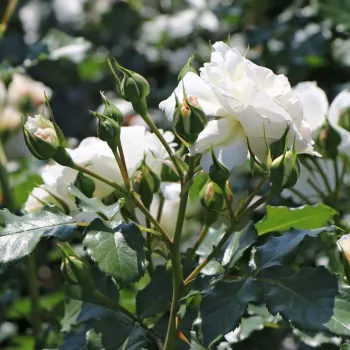
Upright, bushy, erect-growing floribunda, around 85–115 cm high and 70–95 cm wide, with dense, glossy dark green foliage and moderate prickliness; forms a full, compact shrub suited to beds and groups. |
| Flower morphology |
Medium-sized, very double rosette blooms with more than 40 petals, borne in cluster-flowered inflorescences; remontant habit with abundant second and subsequent flushes providing a long flowering season. |
| Colour data and phenology |
Cream to creamy-white petals with a pastel peach centre, RHS 155D outer and 23C inner; buds greenish-cream with peach tint, fading over time to almost white while maintaining an elegant, refined appearance. |
| Fragrance and aroma |
Displays a classic, rose-like fragrance character, but overall scent strength is very weak and barely noticeable, making it suitable for those prioritising visual impact and colour harmony over strong perfume. |
| Hip characteristics |
Produces moderately abundant, spherical orange-red hips, approximately 6–10 mm in diameter; hips add subtle seasonal interest in late season without dominating the plant’s overall ornamental effect. |
| Resistance and winter hardiness |
Rated resistant in ADR trials, with good resistance to powdery mildew, moderate black spot susceptibility and rust resistance; hardy to about –21 to –18 °C (RHS H7), suitable for USDA zone 6b and Swedish zone 3. |
| Horticultural recommendations |
Recommended for beds, parks, groups and edging at 55–100 cm spacing, 2.5–2.9 plants/m²; low maintenance with minimal pruning and standard seasonal care, suitable for mass planting and informal cottage layouts. |
Petticoat® Flowerbed rose KORgretaum offers compact, healthy growth, repeat creamy flowering and long-term resilience from its own-root form, making it a thoughtful choice for relaxed, romantic family gardens.