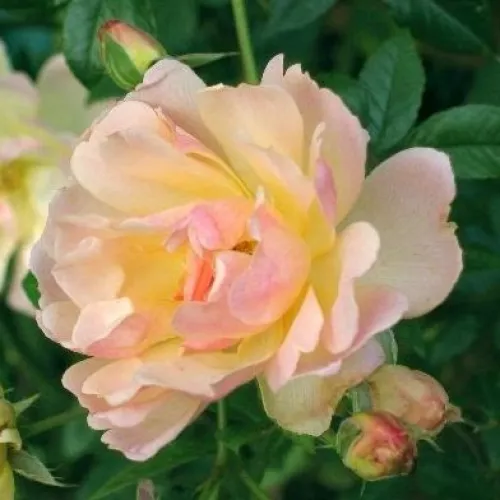
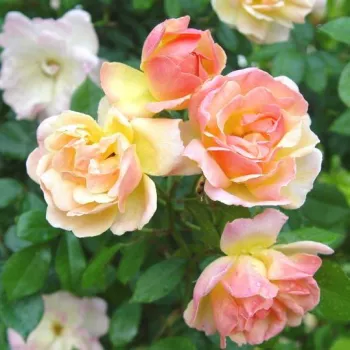
PHYLLIS BIDE – apricot-pink climbing rose
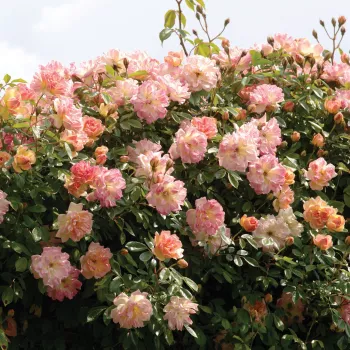
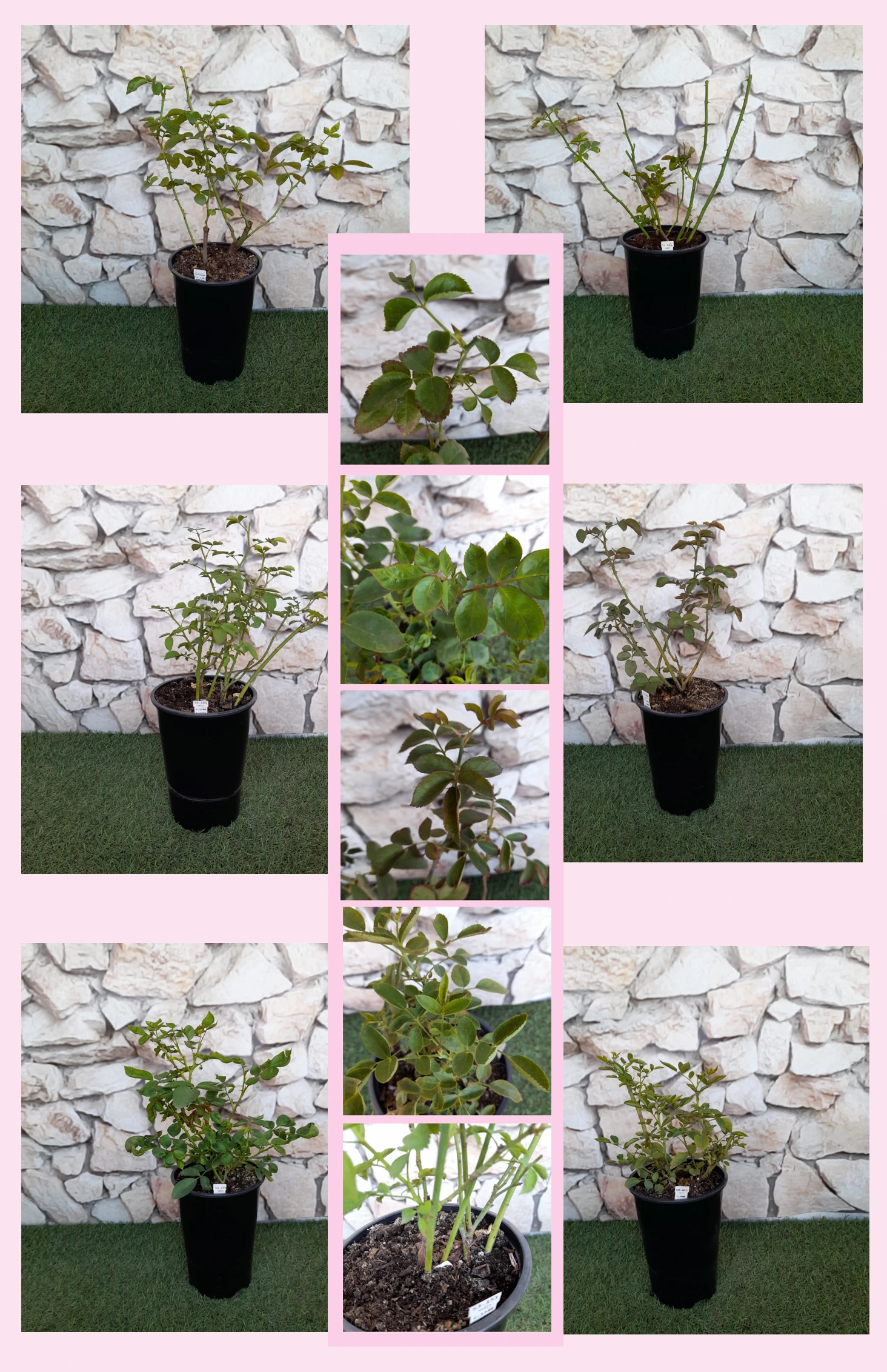
Imagine late-summer afternoons with soft peach-pink clusters of bloom arching above your seating, a reliable backdrop of glossy foliage and romantic colour even in exposed, breezy plots where good drainage is needed and clay or chalk soil can be a concern. ‘Phyllis Bide’ is an easy-going, medium-sized climbing rose that copes well with British weather, offering repeat flushes of flowers rather than demanding constant attention. As an own-root plant in the pharmaROSA® ORIGINAL 2-litre format it arrives already nicely anchored, settling steadily into its new home and building a framework you can train over an arch, fence or pergola. Over the first few seasons you will see roots establish, then new shoots strengthen, and by the third year the full character and cottage-garden charm of this long-lived climber will be clear, giving a gently nostalgic ambience for family gardens, small courtyards or narrow side returns where vertical colour makes all the difference.
Usage options
| Target area | Reasoning |
|---|
| Pergola over a seating area |
The medium climbing height and flexible shoots are easy to train over a family pergola, creating dappled shade and cascades of pastel flowers without overpowering a small garden. A good match for beginners. |
| Arch or arbour at a garden entrance |
Clustered, repeat-flowering heads give a welcoming focal point from late spring onwards, echoing classic cottage-garden style with relatively light pruning needs once the framework is formed. Well suited to the romantic. |
| Clothed fence in a narrow boundary strip |
The 2.4–3.8 m growth makes it ideal for disguising plain fences, while moderately dense, glossy foliage stays attractive between flushes, so the boundary looks finished for most of the year. Practical for the busy. |
| Wall-trained rose near the house |
Good heat and temporary drought tolerance means it copes beside south- or west-facing walls, needing mainly occasional deep watering in prolonged dry spells to stay healthy and floriferous. Reassuring for the time-poor. |
| Part-shaded corner with morning or late sun |
Its suitability for partial shade allows planting where many other roses sulk, so you can extend cottage style into side paths or corners that only see gentle sun. Especially helpful for the space-limited. |
| Free-standing specimen on a sturdy obelisk |
Sparsely thorned shoots are easier to tie in around an obelisk or tall support, creating an elegant vertical accent with manageable maintenance and charming colour changes as blooms age. Appealing to the design-conscious. |
| Long-term family rose in a settled border |
As an own-root climber it regenerates well from the base and is less prone to graft failure, building a durable framework that can be refreshed by pruning rather than replacement. Ideal for the future-minded. |
| Large feature container on patio or terrace |
In a 40–50 litre or larger container with good drainage it offers vertical interest and repeat flowering even where borders are limited, performing reliably in breezier sites where soil is heavy or chalky. Suited to the urban. |
Styling ideas
- Cottage Archway – Train ‘Phyllis Bide’ over a narrow arch with lavender and catmint at the base for a pastel, English-countryside entrance – for lovers of traditional romance.
- Kitchen Corner – Grow it against a sunny fence behind herbs and strawberries, letting its soft peach flowers frame a productive kitchen garden – for home cooks and kitchen-garden keepers.
- Soft Privacy Screen – Use along a boundary with mixed shrub roses and evergreen hedging plants to create a gentle, semi-informal screen – for families seeking seclusion without harsh lines.
- Pastel Pergola – Combine on a pergola with Vinca minor as groundcover and pale foxgloves in front for layered height and long seasonal interest – for gardeners planning relaxed afternoon-tea spaces.
- Courtyard Statement – Place in a large container by a doorway, teamed with scented herbs in smaller pots, to add height and colour where planting pockets are scarce – for busy urban homeowners.
Technical cultivar profile
| Parameter | Data |
|---|
| Name and registration |
PHYLLIS BIDE – apricot-pink climbing rose; climber, Climbing rose group; exhibition category cl polyantha; unregistered cultivar, commercial trade name widely used in gardens. |
| Origin and breeding |
Bred by S. Bide & Sons, Surrey, United Kingdom, from ‘Perle d’Or’ × ‘Gloire de Dijon’; breeding year 1923, introduced 1924 via Grandes Roseraies du Val de Loire in France. |
| Awards and recognition |
Holds the Royal Horticultural Society Award of Garden Merit, indicating dependable garden performance, stable ornamental value and suitability for general UK conditions and ordinary gardeners. |
| Growth and structural characteristics |
Medium climber reaching around 2.4–3.8 m high and 1.4–2.4 m spread, with moderately dense, glossy mid-green foliage and sparsely thorned canes, suitable for arches, fences and walls. |
| Flower morphology |
Semi-double, flat, small flowers (about 0.5–1.5 in) carried in clusters; 13–25 petals; remontant with a notably abundant second flush, providing several waves of blossom through the season. |
| Colour data and phenology |
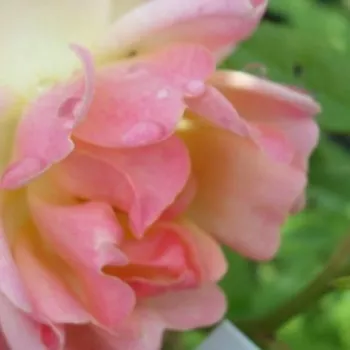
Pastel peach-pink with creamy yellow centres and pink-tinged edges; buds deep salmon-pink, fading through yellowish-peach to creamy white, especially in strong sun, creating multitone effects on one plant. |
| Fragrance and aroma |
Very weak, soft fragrance that is barely noticeable in normal garden use, making it suitable where strong scents could overwhelm small spaces or compete with nearby aromatic planting. |
| Hip characteristics |
Occasionally forms small spherical hips, about 8–12 mm across, in orange-red tones; decorative in a modest way without significantly affecting repeat flowering or requiring special management. |
| Resistance and winter hardiness |
Rated to about −21 to −18 °C (RHS H7, USDA 6b), tolerates UK winters well; moderate resistance to common fungal diseases; handles heat and short droughts but appreciates watering in prolonged dry periods. |
| Horticultural recommendations |
Best used on pergolas, arches, fences or walls; suitable for partial shade; plant 1.65–3.0 m apart depending on use; occasional pest and disease checks, basic pruning and tying in keep the framework productive. |
PHYLLIS BIDE – apricot-pink climbing rose offers repeat pastel flowering, moderate size for arches and fences and a durable own-root habit that settles in for the long term, making it a thoughtful choice for relaxed family gardens.