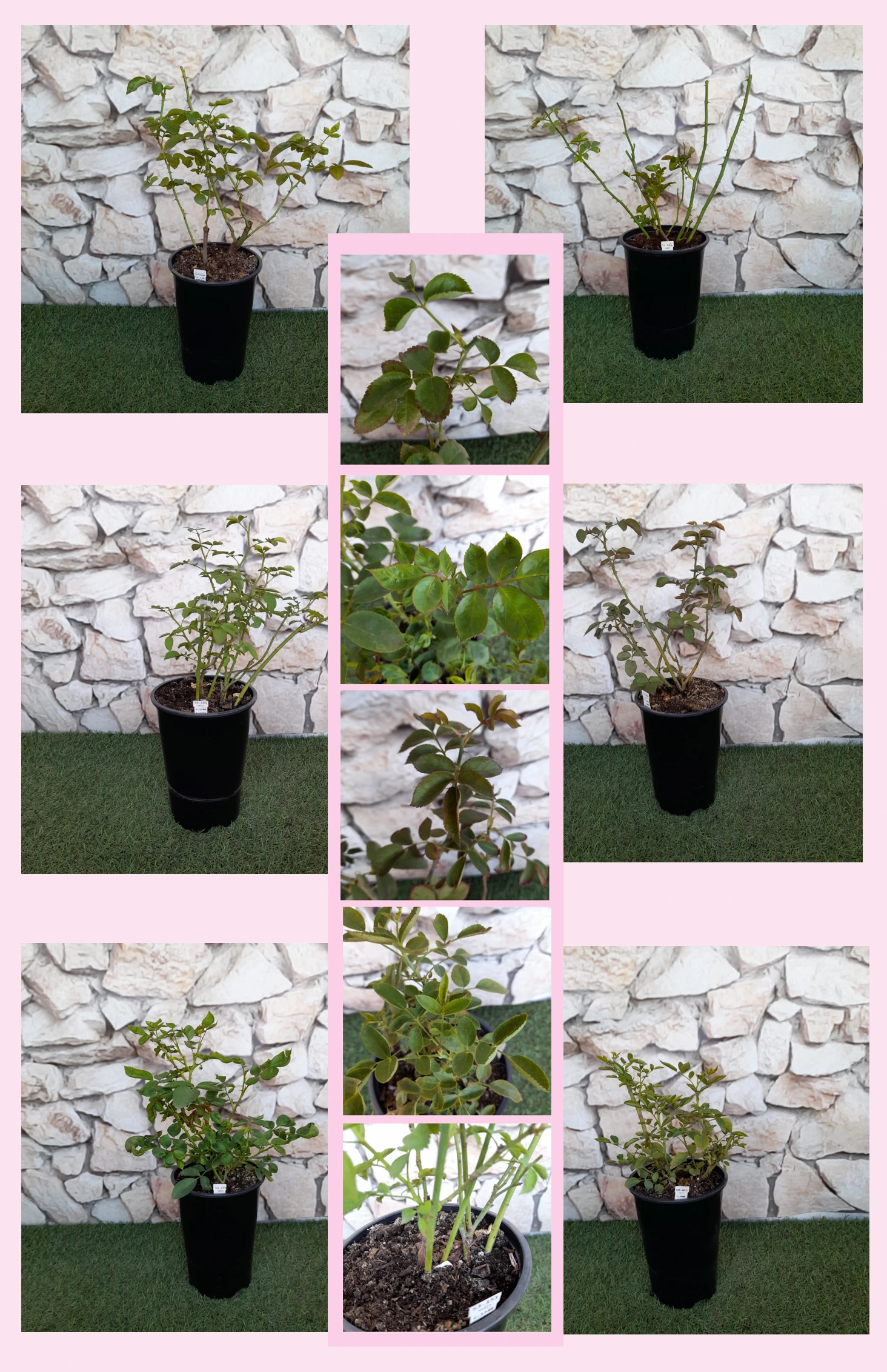
PIERRE ARDITI® – white hybrid tea rose – Meilland
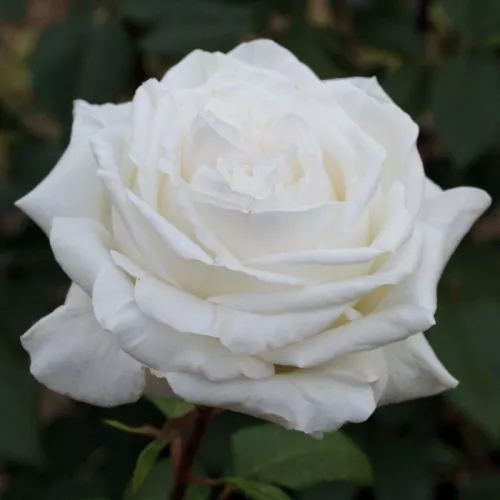
Created for the romantic corner of a family garden, PIERRE ARDITI® brings statuesque, exhibition-quality blooms to a modest space with a relaxed, cottage feel. Its XL, snow-white flowers and rich perfume make every flush feel like afternoon tea under an arbour, even in gardens often facing brisk breezes and frequent showers. This upright hybrid tea is particularly well suited as a specimen near a seating area or along a path, where its very double flowers can be admired up close and cut for vases. The own-root form helps ensure long-term stability in your planting plan, quietly rebuilding from its own base after pruning or weather damage and supporting a generous lifespan with fewer replacements. Plant once, then enjoy the natural rhythm of roots first, shoots next, and then full beauty from about the third year onward. With dense dark foliage, a refined, upright habit, and a premium-gold cultivar rating, it offers a reassuringly elegant focal point for beginners and busy gardeners alike.
Usage options
| Target area |
Reasoning |
| Feature rose near terrace or seating area |
The XL, very double, snow‑white blooms and intense fragrance are most appreciated where you pass daily, echoing the feel of tea beneath an arbour. As an eye‑level feature, it suits those who like refined focus points and hobby gardeners. |
| Romantic cut-flower border by the house |
As an exhibition‑class hybrid tea with solitary, high‑centred flowers, this variety excels as a home cutting rose, giving long‑stemmed blooms for jugs and vases indoors. Ideal for those who enjoy arranging garden flowers and busy homeowners. |
| Formal hybrid tea row with traditional spacing |
Upright growth and a height of around 95–125 cm make it easy to plan a straight row or gentle curve, with regular spacing at 40–50 cm for either hedging or bed planting. Recommended for lovers of classic layouts and traditionalists. |
| Specimen planting in small to medium family gardens |
Its dense foliage and statuesque habit create a strong vertical accent without overwhelming an average suburban plot, offering structure among softer cottage plants. Best for those wanting a single, reliable focal rose and beginners. |
| Companion planting with climbers on an arbour |
Use as a ground‑level anchor beneath light climbers like clematis, where the pure white flowers contrast beautifully against foliage and seasonal colour, giving a layered cottage look. Perfect for romantic styles and cottage-garden lovers. |
| Long-term rose bed renovation or replacement planting |
The own‑root form supports gradual regeneration from the base, so plants age gracefully and can recover more predictably after hard pruning or winter damage, suiting long‑range garden planning and forward planners. |
| Sunny front garden with wind exposure |
In a well‑drained, sunny spot, the sturdy, upright build and dense foliage cope respectably where gardens are regularly brushed by brisk winds and frequent rain showers, suiting practical, lived‑in plots and family buyers. |
| Large container on patio or courtyard |
In a 40–50 litre or larger container with good drainage, its upright hybrid tea form gives height without spreading too widely, making a chic statement near a doorway or seating area. Suited to compact spaces and urban gardeners. |
Styling ideas
- Arbour Elegance – Underplant a light rose-covered arbour with this variety and soft lavender, letting the white blooms and perfume frame a seating nook – for romantics who love storybook corners.
- Kitchen Classic – Line a path to a kitchen garden with evenly spaced plants and edging herbs, providing cut flowers on the way to pick vegetables – for home cooks who like traditional charm.
- Patio Statement – Grow one plant in a 50 litre terracotta pot with trailing thyme around the rim, placing it where fragrance drifts through open doors – for balcony and courtyard dwellers.
- White Feature Bed – Combine with white phlox, catmint and silvery foliage for a calm, moonlit border that glows in evening light – for those seeking a restful, cohesive palette.
- Front-Garden Welcome – Position as a focal point beside the gate or front path, backed by low box or clipped lavender, to greet visitors with scent and structure – for homeowners who value kerb appeal.
Technical cultivar profile
| Parameter |
Data |
| Name and registration |
Hybrid tea rose; registered as MEIcalanq, marketed as Pierre Arditi® hybrid tea rose MEIcalanq; ARS exhibition name Pierre Arditi®; part of the hybrid tea rose commercial group. |
| Origin and breeding |
Bred in France by Alain Meilland (Meilland International) in 2008; registered 2011 and introduced after 2011 by Meilland International; parentage officially unknown or undisclosed. |
| Awards and recognition |
Widely decorated exhibition hybrid tea with major awards including Buenos Aires Grandes Fleurs gold medal and special prizes, plus top honours and certificates in St Albans and Rome. |
| Growth and structural characteristics |
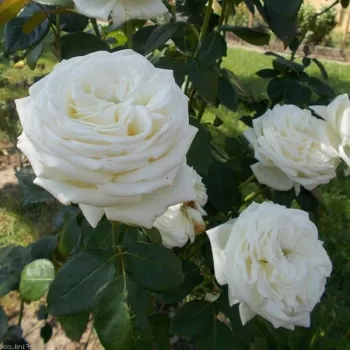
Upright hybrid tea reaching about 95–125 cm high and 60–80 cm across; dense, glossy dark green foliage; moderately thorny stems; weak self‑cleaning so spent blooms benefit from regular deadheading. |
| Flower morphology |
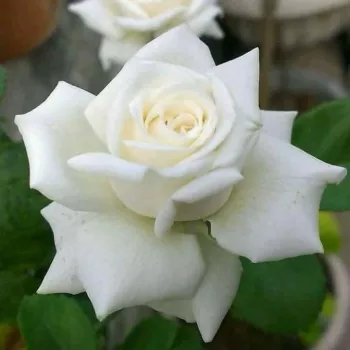
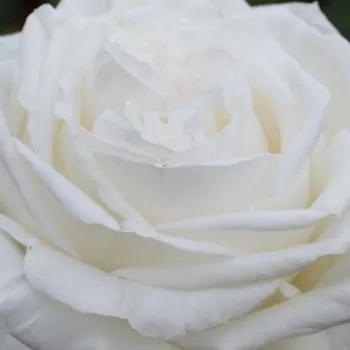
Very double, XL-sized, solitary blooms with over 40 petals; cup‑shaped with distinctly medium high‑centred form; remontant, giving a strong main flush followed by abundant repeat flowering later in the season. |
| Colour data and phenology |
Crystal-clear, bright white flowers with no cream, yellow or pink tones; buds ivory‑white, opening to pure snow‑white, then maturing to a slightly matte white with faint silvery sheen at the petal edges. |
| Fragrance and aroma |
Rich, perfumed scent of very strong intensity, clearly detectable from a distance; primarily grown as an ornamental and cutting rose rather than for pollinators due to densely double flowers covering the stamens. |
| Hip characteristics |
Forms hips only sparsely; when present, they are small, ovoid red fruits around 10–14 mm in diameter, adding only modest visual interest and rarely affecting overall garden presentation. |
| Resistance and winter hardiness |
Hardy to approximately –21 to –18 °C (RHS H7, Swedish zone 3, USDA 6b); disease tolerance is low with high susceptibility to powdery mildew, black spot and rust, so regular protective care is advisable. |
| Horticultural recommendations |
Best in full sun with good air circulation and fertile, well‑drained soil; spacing 40–50 cm in rows or 75 cm for specimens; suited to beds, hedging and cutting, requiring attentive pest and disease management. |
PIERRE ARDITI® offers exhibition-grade, snow-white, richly scented blooms on an upright, long-lived own-root plant that matures gracefully, making it a thoughtful choice if you value enduring elegance with reliable structure.