PRIX P. J. REDOUTÉ – pink nostalgia rose – Massad
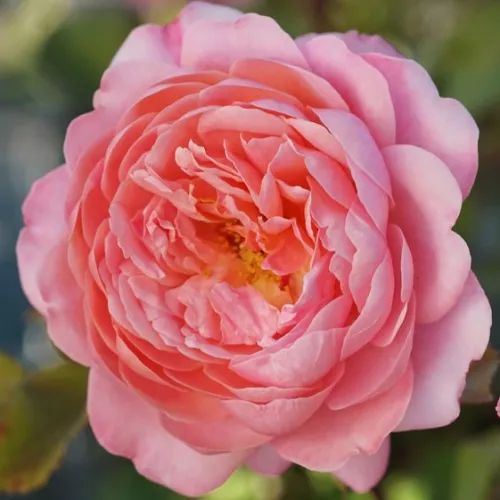
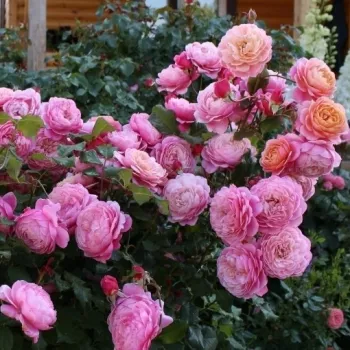
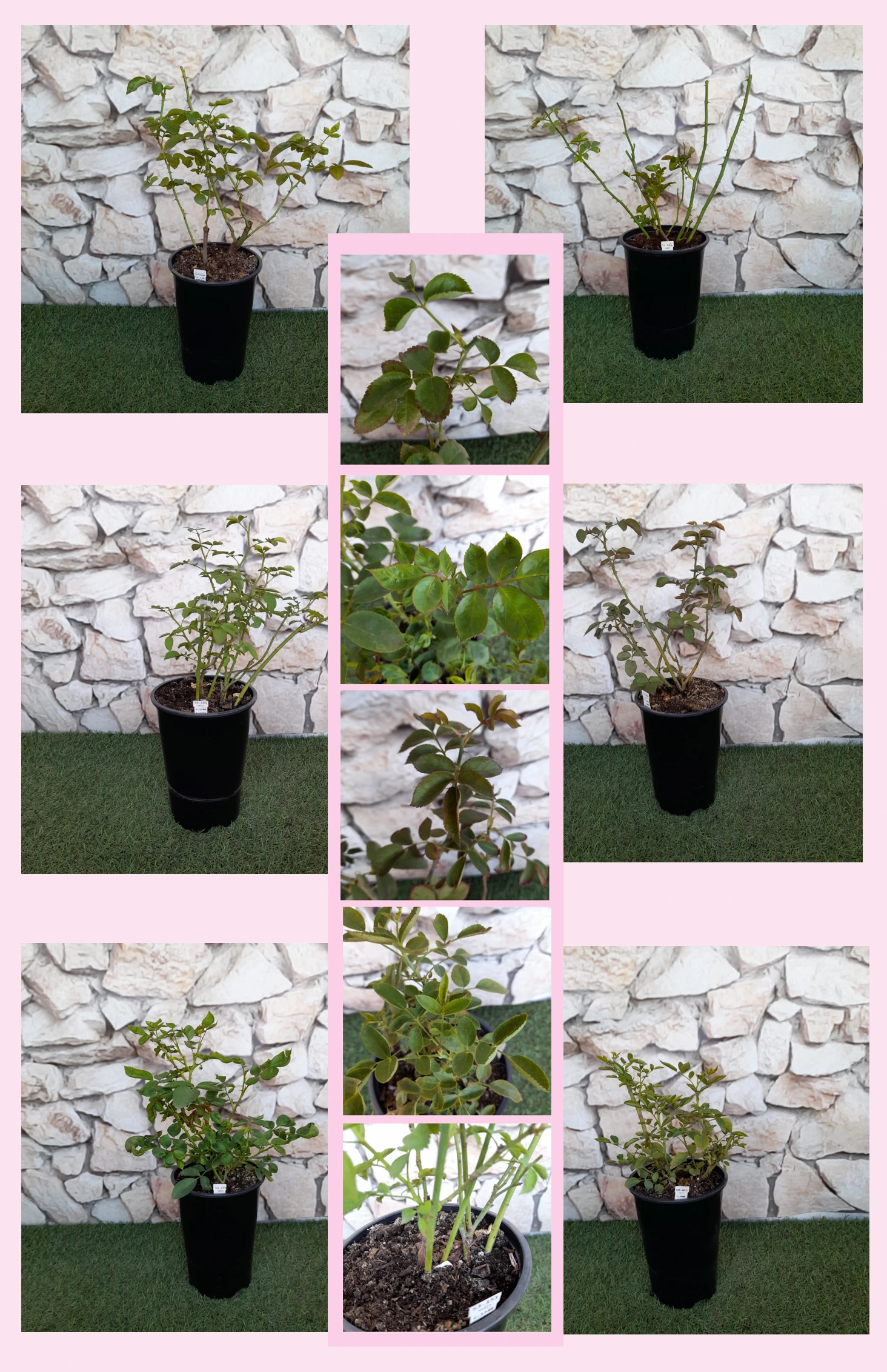
Immerse your garden in the romantic world of Prix P. J. Redouté, a richly petalled nostalgia shrub rose that forms an upright, bushy silhouette clothed in glossy, dark green foliage. Its large, rosette blooms open in clustered showers of raspberry and peach-pink, followed by a generous repeat flush that keeps borders and arbours flowering throughout summer. The deep tea‑vanilla fragrance brings to mind afternoon tea in a cottage garden, while the moderate height and tidy habit make it easy to place in an average family plot. Grown on its own roots for long-term resilience, this 2‑litre plant establishes steadily and is less prone to ageing gaps in the clump. You can enjoy reliable flowering without complicated pruning – simply tidy as you please – and it settles well even where gardens face brisk coastal winds and need careful drainage. Over the seasons, its structure matures gracefully, offering enduring romance and a quietly luxurious garden ambience.
Usage options
| Target area | Reasoning |
|---|
| Romantic mixed flower bed in a family garden |
The compact, upright shrub form and dense foliage give a neat backbone to mixed borders, while the repeat-flowering clusters of pink rosettes provide colour from early summer onwards. The strong tea-vanilla scent adds atmosphere around seating areas or paths, ideal for those wanting cottage-garden charm with straightforward care, whether beginners. |
| Fragrant seating corner or afternoon-tea nook |
With very strongly scented, garden-filling blooms, this shrub is perfect by a bench, arbour or terrace where its tea-vanilla perfume can be fully appreciated. Regular deadheading encourages plentiful repeat flowering, but the plant remains forgiving if tasks are sometimes delayed, supporting a relaxed, lived-in garden for busy homeowners. |
| Small to medium hedge with a nostalgic look |
Planted at recommended hedge spacing, the dense, glossy foliage knits together into a soft, flowering screen that suits period and cottage-style houses. The own-root habit supports a long-lived hedge line, less prone to gaps over time, ideal for framing lawns or kitchen gardens for traditional-style garden families. |
| Feature shrub near paths and entrances |
Its medium height and upright habit allow easy placement by front walks or gateways without overwhelming the space. The raspberry- to pale-pink colour shifts lend interest through the flowering cycle, creating a welcoming impression for visitors while remaining manageable for low-maintenance-focused gardeners. |
| Patio or terrace in large containers |
When grown in a generously sized container of at least 40–50 litres, this shrub rose forms a tidy, upright plant that can be placed where ground planting is limited. Regular watering and feeding are straightforward tasks, and the own-root nature supports long-term performance in pots for space-conscious urban residents. |
| Cottage-style border with perennials and herbs |
The nostalgic rosette blooms pair beautifully with soft perennials such as evergreen candytuft or herbs like spearmint, reinforcing an English country feel. The medium maintenance requirement suits borders where roses mix with other plants without demanding expert attention, ideal for informal, storybook-border enthusiasts. |
| Exposed family plots needing good anchoring |
This shrub’s moderate height and bushy structure anchor beds where wind can be an issue, making it well matched to sites that experience blustery conditions and need planting that stands firm through unsettled weather in coastal-influenced gardens, particularly appealing to practically minded garden owners. |
| Long-term focal point in a maturing garden |
Grown on its own roots, the plant can regenerate from the base if cut back hard, supporting a long lifespan and stable ornamental value. Over the years, it develops into a well-furnished shrub that retains character and colour, suiting those planning a garden to accompany them for decades as thoughtful planners. |
Styling ideas
- Cottage-arch – Train Prix P. J. Redouté lightly onto an obelisk within a flower bed, underplant with spearmint and catmint for scent layers – for lovers of traditional English romance.
- Kitchen-border – Place it at the edge of a kitchen garden, flanked by herbs and low box, to soften vegetable rows with nostalgic colour – for home cooks who value beauty and practicality.
- Terrace-centrepiece – Grow one specimen in a 50‑litre terracotta pot beside outdoor seating, combining with lavender in nearby containers – for balcony and patio owners seeking easy luxury.
- Front-garden – Use as a pair by the gate or doorway, with evergreen candytuft at their feet, to frame the entrance in soft pinks – for families wanting a warm, classic welcome.
- Storybook-hedge – Plant a loose hedge along a path, interspersed with purple-red ice plant for groundcover, to create a walk lined with perfume – for romantic walkers and evening strollers.
Technical cultivar profile
| Property | Data |
|---|
| Name and registration |
Prix P. J. Redouté Générosa shrub rose, nostalgia type, Romantic rose group; registered as MASpiejo, exhibition name Prix P J Redoute; commercial use under Prix P. J. Redouté Générosa MASpiejo. |
| Origin and breeding |
Bred by Dominique Massad in France, introduced and first distributed by Roseraies Guillot in 2010; parentage is not recorded, but selection reflects classic, Old Rose-inspired shrub characteristics. |
| Awards and recognition |
No major show or competition awards currently recorded; the cultivar is valued primarily as a characterful garden rose within the Générosa collection rather than as an exhibition variety. |
| Growth and structural characteristics |
Upright shrub reaching about 80–120 cm in height and 60–100 cm spread, with dense, dark green, glossy foliage; moderately thorny stems form a bushy outline suitable for beds, hedges and containers. |
| Flower morphology |
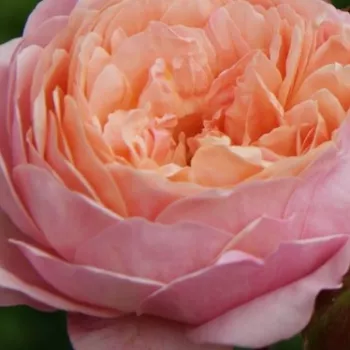
Large, very double rosette blooms with over 40 petals, produced in clusters; flower size averages 7–10 cm, with a remontant habit that provides an abundant second flush after the main early-summer flowering. |
| Colour data and phenology |
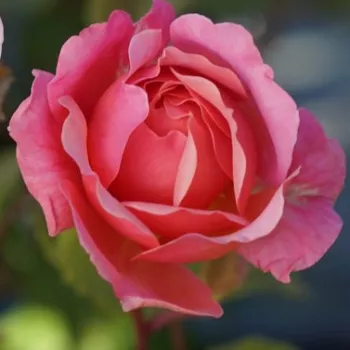
Outer petals vivid raspberry-pink (RHS 62C) with inner peach-rosy tones (RHS 24B); colour lightens from bright pink to soft pale pink as blooms age, with moderate fade in strong sun but good overall garden presence. |
| Fragrance and aroma |
Very strongly scented shrub rose, with a deep tea-vanilla fragrance that readily fills nearby seating areas; primarily ornamental, as the very double flowers offer limited access to stamens for pollinating insects. |
| Hip characteristics |
Due to the heavily double blooms, hip set is usually low, though occasional small, egg-shaped red hips 9–15 mm in diameter may appear, adding discreet seasonal interest late in the year. |
| Resistance and winter hardiness |
Hardy to approximately -26 to -23 °C (RHS H7, USDA 5b, Swedish Zone 4); disease resistance is moderate for black spot, mildew and rust, benefiting from standard preventative care in humid growing seasons. |
| Horticultural recommendations |
Best in sunny sites with well-drained soil; suitable for beds, specimen use, hedging, large containers and cutting. Maintenance is moderate, mainly deadheading and occasional health checks, spacing 50–90 cm as advised. |
Prix P. J. Redouté offers richly scented, repeat-flowering blooms on a compact, glossy shrub, and in own-root form it promises stable long-term performance in the family garden, making it a thoughtful choice if you enjoy classic cottage character.