RAYMOND BLANC – pink nostalgia rose – Delbard
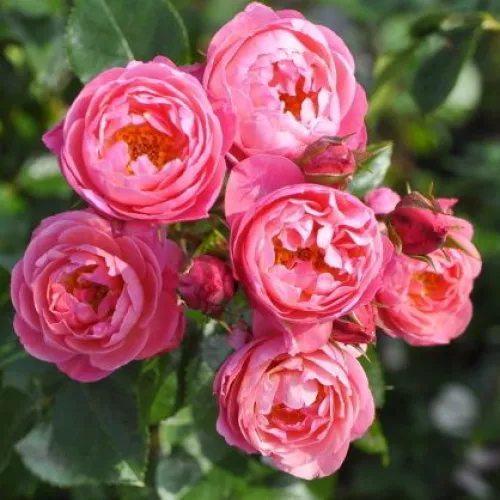
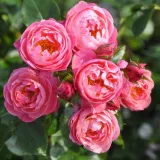
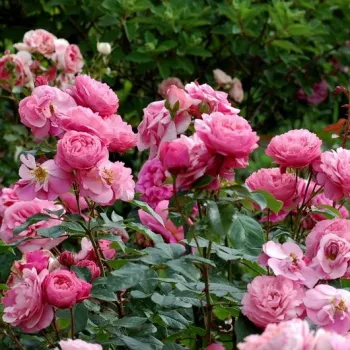
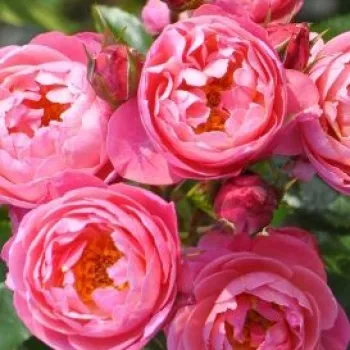
Evoking the charm of a country tea garden, RAYMOND BLANC brings romance and gently old-fashioned luxury to family plots without demanding expert care. Large, globular, double blooms in a rich, warm pink open in clusters above dense, glossy foliage, creating a softly romantic backdrop for seating areas and cottage-style borders. Its strong, lingering perfume and reliable repeat flowering make it a characterful choice for cutting, filling vases with storybook charm from early summer to autumn. On its own roots it develops into a stable, long-lived shrub, quietly renewing itself after pruning or winter, so you can plan for years of dependable beauty. Well suited to typical British gardens, it copes with exposed spots where breezes quickly dry the foliage after showers, easing fungal pressure. In the first seasons it concentrates on roots, then shrub structure, before reaching full ornamental impact, bringing lasting cosiness to even a small courtyard.
Usage options
| Target area | Reasoning |
|---|
| Front or middle of a cottage-style mixed border |
Its upright, medium-tall shrub form and dense, dark green foliage create a structured backbone that fits neatly into modest borders without overwhelming neighbouring plants. The large, nostalgic pink blooms read clearly from the house or terrace and repeat well through the season, so the border rarely looks bare between flushes. Own-root growth means it knits into the planting over time, giving a long-lived, low-fuss focal point for cottage-style gardeners and busy homeowners. |
| Small family garden feature near a seating or tea area |
The combination of strong, long-lasting scent and generous flower size makes this rose ideal beside a bench or afternoon tea corner, where you really notice fragrance and colour at close quarters. Continuous remontant flowering keeps the area welcoming from school holidays through to autumn half-term. As an own-root shrub it withstands family use and light pruning experiments, gradually forming a resilient, characterful presence for romantic garden lovers. |
| Cutting patch or kitchen-garden edge |
Clustered, large, double blooms provide a steady supply of romantic, pink stems for vases, table settings and informal bouquets, while the shrub remains presentable in the garden. Flowers hold their colour attractively as they age, moving from vibrant pink to softer, silvery-tinged tones. Repeating flushes reduce the need to plan complex succession planting, supporting those who like home-grown flowers but have limited spare time, including hobby florists. |
| Specimen shrub in lawn or gravel bed |
Planted alone at the recommended solitary distance, its upright, rounded habit and glossy foliage read as a self-contained shrub, making mowing and edging straightforward. The nostalgic bloom form and strong fragrance give you the look of a traditional rose garden with fewer plants to manage. Being own-root, it ages gracefully, recovering well from occasional harder pruning, which suits gardeners wanting one special rose as a long-term anchor, especially new homeowners. |
| Low, informal flowering hedge along a path or boundary |
At closer spacing it forms a gently upright, flower-rich line that softens fences or divides areas without creating a solid visual barrier. Repeating pink blooms draw the eye along the path and offer easy picking for the house. On its own roots the hedge remains even and cohesive, with individual plants regenerating if cut back. Occasional deadheading and light shaping are usually enough, fitting the routine of time-pressed families. |
| Large patio container or roof-terrace planter |
In a 40–50 litre or larger container it becomes a vertical accent with romantic blooms at nose height, ideal where ground space is limited. The upright habit uses space efficiently, while glossy foliage and generous clusters give a “proper garden” feel on paved areas. Own-root resilience helps it cope with periodic repotting and incidental pruning, appealing to balcony and courtyard gardeners seeking traditional roses with straightforward care, particularly urban residents. |
| Exposed or breezier spots in typical British gardens |
This shrub copes well in positions where wind moves through the planting, which in turn helps leaves dry quickly after rain, easing the sort of humidity-related fungal issues common in many UK districts. Its moderate disease resistance benefits from that improved air movement, supporting simple routines focused on basic hygiene and occasional treatments. The sturdy, own-root framework anchors reliably in such positions, suiting coastal-influenced gardeners. |
| Long-term “heirloom” planting in a family plot |
As an own-root nostalgia rose, it avoids the graft-union weaknesses of some budded plants and can regenerate from its base if winter or pruning ever take it hard back. Over the first years it builds roots, then a well-branched shrub, before offering its full cottage-garden presence, rewarding patience with decades of service. This makes it a thoughtful choice when you want a rose children can grow up with and remember, ideal for sentimental buyers. |
Styling ideas
- Cottage Ribbon Border – Thread Raymond Blanc in a loose line with sweet alyssum and soft grasses to edge a lawn, giving a pink, scented ribbon that feels relaxed yet intentional – ideal for family gardens with a cottage feel.
- Kitchen-Garden Elegance – Place it on a corner of a vegetable or herb bed, repeating glossy foliage and pink blooms among edibles for an old-world potager mood – for cooks who like to step outside for both herbs and flowers.
- Romantic Entrance Pairing – Flank a path or back-door step with two large containers of Raymond Blanc, underplanting with pale violas for a welcoming, scented threshold – suited to urban homeowners wanting instant charm.
- Soft Privacy Screen – Plant a loose row with cherry laurel ‘Miki’ behind and Raymond Blanc in front, so evergreen structure meets summer roses in layered greens and pinks – for those creating gentle separation, not hard barriers.
- Perennial Storybook Mix – Combine with Virginia obedient plant ‘Rosea’ and other pink perennials for a harmonious, long-flowering ensemble that shifts from early summer to autumn – appealing to gardeners who favour coordinated, romantic schemes.
Technical cultivar profile
| Parameter | Data |
|---|
| Name and registration |
Romantica shrub nostalgia rose; registered as DELnado, marketed as Raymond Blanc Chefs' Roses DELnado; also exhibited under the name Club Camif® in some show contexts. |
| Origin and breeding |
Created by Georges Delbard in France before 2003, registered 2003 and commercially introduced in 2007 as part of the Chefs’ Roses collection, with parentage not publicly disclosed. |
| Growth and structural characteristics |
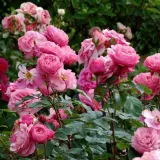
Medium shrub 100–150 cm high and 70–100 cm wide, upright and well-branched, with dense, glossy dark green foliage and moderate prickliness, forming a substantial yet manageable garden presence. |
| Flower morphology |
Large, double, globular to pompon blooms with 26–39 petals, usually borne in clusters; remontant habit with a notably generous second flush, providing abundant flowering across the main season. |
| Colour data and phenology |
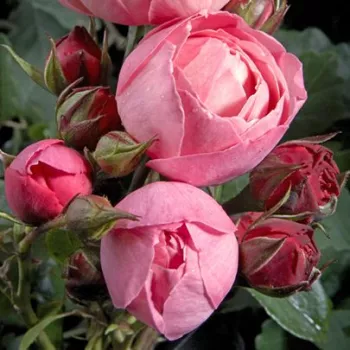
Vibrant rich pink flowers (RHS 62C outer, 62B inner) open deep, then fade to paler pink with silvery-edged petals; buds dark mauve-pink; colour retention moderate under sun and rain exposure. |
| Fragrance and aroma |
Strong, long-lasting perfume typical of nostalgic shrub roses, noticeable both on the plant and as a cut flower indoors; exact fragrance notes not documented but consistently rated as intense. |
| Hip characteristics |
Produces few hips; where formed they are small ellipsoid fruits, 8–13 mm across, red (RHS 46A), adding modest autumn interest without significantly affecting flowering performance. |
| Resistance and winter hardiness |
Hardy to approximately –18 to –21 °C (RHS H7, Swedish Zone 3, USDA 6b); disease resistance moderate to black spot, mildew and rust, benefiting from good airflow and standard preventative care. |
| Horticultural recommendations |
Best in sunny sites; medium maintenance with occasional plant protection and deadheading; recommended spacings 55–100 cm depending on use, at 2.4–2.7 plants/m² for massed or hedge plantings. |
RAYMOND BLANC offers richly scented, repeat-flowering nostalgic blooms on a long-lived own-root shrub that settles into family gardens with reassuring ease, making it a thoughtful choice for enduring cottage-style planting.